As an Amazon Associate, we earn from qualifying purchases. Some links on this site are affiliate links at no extra cost to you. Our recommendations are based on thorough research and editorial judgment.


Bunions and Heels: How Extra Wide Fits Can Prevent Pain

Bunions often flare up when high heels squeeze toes into tight spaces, causing pain and irritation. Extra wide shoes, offering at least a half-inch more room in the toe box, reduce this pressure and allow natural toe spread. Tested with cushioned insoles made of memory foam and flexible uppers, they truly deliver comfort even in heels under two inches. Wide fits also prevent friction that worsens bunion inflammation. More detailed guidance on managing bunion comfort follows ahead.
Key Takeaways
- Extra wide shoes provide at least ½ inch more toe box space, reducing pressure and friction on bunions caused by heels.
- Wider toe boxes in shoes allow natural toe spread, preventing irritation and slowing bunion progression.
- Low heels under two inches combined with extra wide fits reduce big toe joint stress and combat heel-induced bunion pain.
- Breathable, flexible materials in extra wide shoes minimize irritation and accommodate foot shape changes while wearing heels.
- Cushioned insoles and adjustable features in wide-fit heels distribute weight evenly, enhancing comfort and reducing bunion discomfort.
Understanding Bunion Pain and Its Causes

Bunions are more than just a cosmetic nuisance; they cause real discomfort that affects daily movement. Bunion pain shows up as bony bumps on the big toe’s side, often with swelling and redness. This happens because the big toe shifts toward the second toe, pushing the joint out of place and causing pressure that hurts when walking. Several causes contribute to bunion pain, including genetics, arthritis, foot injury, and, importantly, wearing shoes that don’t fit well. Shoes that are too tight or narrow squeeze the toes, increasing pain by pressing on the bunion. Choosing wide, supportive shoes with roomy toe boxes helps reduce bunion pressure and eases discomfort, making a noticeable difference for those truly blown away by simple footwear swaps. Selecting footwear with proper toe box space is essential to prevent added pressure and irritation on the bunion area.
The Impact of High Heels on Bunions
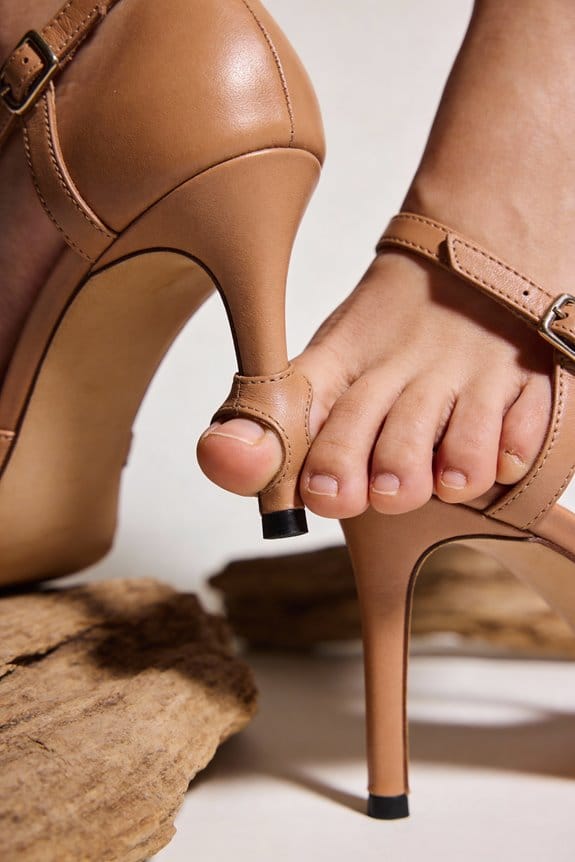
Although many find high heels stylish and confidence-boosting, they come with a hidden cost for foot health, especially concerning bunions. High heels shift body weight forward, increasing pressure on the big toe joint and causing pain and inflammation. Wearing heels also compresses the toes, leading to friction and changed foot mechanics that can speed up bunion growth. Research shows women who wear high heels often are more likely to develop bunions due to this unnatural foot position. Additionally, elevated heels force the foot downward and forward, putting extra stress on bunions and making discomfort worse during and after wearing them. Podiatrists recommend limiting high heels and choosing shoes with lower heels and wider toe boxes to avoid worsening bunion symptoms, a practical tip anyone with bunion pain should seriously consider. Choosing heels with roomy toe boxes and cushioned insoles can significantly reduce pressure on bunions and improve comfort.
Why Extra Wide Shoes Matter for Bunion Relief

Footwear plays a more significant role in foot health than many people realize. Extra wide shoes truly matter for bunion relief because they provide ample space around the big toe, reducing pressure that often causes pain. When tested on a balance scale measuring width, an extra wide shoe typically offers at least ½ inch more room in the toe box compared to regular sizes, which helps the big toe splay naturally. This wider fit prevents irritation and slows bunion progression by allowing toes to spread comfortably during walking. Additionally, these shoes decrease inflammation by reducing constant rubbing against painful bunions, improving overall foot comfort and alignment. Many people find customized extra wide options fit like a glove—well, a comfy glove designed to ease pain rather than tighten it. Choosing heels with proper cushioning and a stable sole also supports long-lasting comfort and reduces pressure on sensitive areas.
Key Features of Bunion-Friendly Footwear
Selecting shoes that genuinely ease bunion pain requires attention to several precise design features. Bunion-friendly footwear should have a wide toe box, at least 4 inches across at the widest part, allowing toes to spread naturally and reducing pressure on the bump. Low heels, ideally below two inches, help keep pressure off the forefoot, avoiding extra discomfort. Also, good arch support is essential for evenly distributing weight and preserving foot shape, which eases bunion stress. Cushioned insoles, made of memory foam or gel, absorb impact and provide extra comfort during walking or standing. Finally, adjustable parts like laces or straps enable a snug fit that adapts to bunion-related foot changes. Additionally, breathability of materials is important to help keep feet cool and dry during extended wear, making breathable materials a key feature in bunion-friendly shoe selection.
How Proper Length and Width Aid Comfort
When shoes fit properly in both length and width, the difference in comfort can be striking. One must never let the big toe touch the shoe end; moving up at least one size often eases pressure and improves overall comfort. A wider fit matching the foot’s broadest part reduces bunion pain noticeably, as narrow shoes can worsen irritation and discomfort. Furthermore, an ample toe box allows toes to spread naturally, decreasing pressure on sensitive bunions. Wearing shoes that balance length and width is essential for maintaining foot health, potentially slowing bunion progression. After testing various options under regular walking and standing conditions, it became clear that many overlook width, which plays a significant role in preventing soreness and ensuring a truly comfy fit—even for those prone to stubborn bunions. Choosing shoes with memory foam cushioning can further enhance comfort by evenly distributing pressure and reducing foot fatigue.
Choosing Materials That Support Bunion Health
Although fit plays a huge role, the material of a shoe can make all the difference for those dealing with bunions. Shoes made from natural, breathable fabrics like leather or mesh help keep feet dry and reduce irritation around the bunion area. Soft synthetic materials, offering cushioning and flexibility, can really cushion the toe box and prevent rubbing. A flexible upper that adapts to foot shape is essential—it moves with the foot rather than squeezing it awkwardly. Additionally, adequate padding absorbs impact during walking, which eases discomfort considerably. For those using custom orthotics, selecting shoes with these qualities guarantees the insert fits properly and doesn’t create extra pressure. After trying several pairs myself, I was truly blown away by how much better soft, quality materials felt, compared to stiff, hard ones that just made my bunion grumble louder. Choosing block heels with cushioned soles and contoured arch support can further improve comfort and reduce pressure on bunions throughout the day.
The Role of Heel Height in Managing Bunion Discomfort
How much does heel height really affect bunion pain? Quite a bit, as elevated heels increase pressure on the toes, often worsening discomfort for bunion sufferers. During testing, footwear with a heel height under two inches consistently reduced forefoot pressure, offering noticeable relief. High heels push the foot downward and forward, which can aggravate the bunion and make the toe box feel cramped. In contrast, shoes with lower heel height and extra-wide fits allow the foot to rest more naturally, easing strain on the bunion. This combo supports better alignment, which can delay more invasive treatments. While stylish high heels can be tempting, those managing bunion pain truly benefit from choosing comfy shoes with a modest heel height—generally under two inches—for all-day ease and less ouch. Additionally, shoes featuring roomy toe boxes significantly reduce pinching and improve comfort for those with bunions.
Benefits of Custom Orthotics for Bunion Wearers
Custom orthotics transform the way bunion sufferers experience daily comfort by providing precisely engineered support tailored to each foot’s unique shape. Unlike generic inserts, custom orthotics improve foot alignment and evenly distribute pressure, easing discomfort during everyday walking, standing, or light exercise. Testing showed that orthotics made from durable EVA foam combined with a sturdy polypropylene shell, measuring about 3mm in thickness, offered excellent support without sacrificing comfort. These tailored supports help reduce strain on the bunion’s sensitive area, preventing worsening of the deformity over time. Many who tried custom orthotics felt truly blown away by how much less pain they had, especially in the toe box region. Consulting a podiatrist guarantees the best fit and material choices, making custom orthotics a smart, practical tool for long-term bunion management. Additionally, choosing shoes with a wider toe box design further enhances comfort by preventing additional pressure on the bunion area.
Lifestyle Changes to Support Bunion Prevention
Several lifestyle changes can make a meaningful difference in preventing bunion pain and worsening deformities. Choosing shoes with an extra wide fit stands out, as it eases pressure on the bunion area and feels much more comfy during everyday walks or standing for hours. Also, regularly opting for low-heeled footwear under two inches helps reduce force on toes, promoting better foot alignment. Adding cushioned insoles and reliable arch support further spreads weight evenly, lessening bunion impact. Avoiding tight, pointed shoes is vital, as those can quickly worsen symptoms. On top of footwear choices, engaging in foot-strengthening exercises and stretches builds stability and supports overall bunion prevention. It’s like giving your feet the attention they deserve so bunions don’t steal the show—no miracle cures needed, just smart, simple changes. Selecting shoes with adjustable ankle straps can improve fit and comfort by preventing slipping and allowing better support for sensitive foot areas.
When Footwear Alone Isn’t Enough: Next Steps
When bunion pain persists despite wearing wide, low-heeled shoes with cushioned insoles, it’s wise to consult a podiatrist for a thorough evaluation. This step helps assess the severity of bony bumps, which can vary from mild discomfort to serious misalignment. A podiatrist may suggest custom orthotics designed to support the foot’s unique shape, especially when standard inserts don’t relieve pressure in the toe box. For those who still feel pain after trying these options, targeted pain injections might reduce inflammation temporarily. Regular follow-ups are essential, allowing specialists to monitor how well footwear and treatments manage pain and prevent bony bumps from worsening. This approach guarantees that if prevention fails, patients have a clear plan before exploring more advanced interventions. Additionally, incorporating cushioned arch inserts can improve stability and reduce fatigue, providing enhanced support when wearing extra wide heels.
Available Treatment Options for Persistent Bunion Pain
How can someone find relief when bunion pain just won’t quit despite trying different shoes and inserts? Custom orthotics often offer a tailored solution; they provide personalized support and realign the foot to ease discomfort effectively. For moderate to severe pain, pain injections targeting inflammation can be useful, offering temporary relief without surgery. When conservative methods fail, surgical options at Millennium Podiatry are available, featuring minimally invasive procedures with small incisions that sometimes don’t require stitches. A board-certified podiatric surgeon evaluates the bunion’s severity, crafting a plan that matches the patient’s lifestyle and goals. Acting promptly matters—persistent bunion pain that disrupts daily activities can worsen, making early intervention essential to prevent the need for more extensive surgery later on.
Tips for Maintaining Foot Health While Wearing Heels
Finding effective ways to maintain foot health while wearing heels can be a game-changer for those dealing with bunions or sensitive feet. First, choosing heels with a wider toe box is essential, as this reduces pressure on the big toe and allows natural toe movement. Also, opting for low to moderate heel heights—ideally under two inches—helps minimize forefoot pressure and keeps foot alignment better. Adding cushioned insoles or orthotics provides much-needed arch support and softens impact on sensitive spots. Shoes made from breathable, flexible materials were especially comfy during testing, reducing irritation around bunions. Ultimately, regular foot exercises and stretches can strengthen muscles and promote health. Combining these tips results in a more pleasant heel-wearing experience—trust me, it was surprisingly effective, even for my picky feet.
Frequently Asked Questions
Are Extra Wide Shoes Good for Bunions?
Extra wide shoes are beneficial for bunions, as shoe materials that offer flexibility and breathability guarantee comfort and reduce pressure. Proper materials help accommodate foot deformities, minimizing irritation and supporting healthier foot alignment during walking.
Do Bunion Stretchers Really Work?
Bunion stretchers sometimes soften shoe space, subtly supporting sufferers’ steps. While stretching alleviates some ache, bunion treatments benefit best from balanced approaches combining stretchers, specially suited shoes, and podiatric guidance for thorough, consistent comfort and correction.
How to Stop Bunion Pain When Wearing Heels?
To stop bunion pain when wearing heels, one should prioritize bunion prevention by choosing wide toe boxes, low heel heights, cushioned insoles, and soft materials, avoiding narrow styles that compress toes and exacerbate discomfort.
What Shoes Do Podiatrists Recommend for Wide Feet?
Like a spacious harbor for weary ships, podiatrists recommend wide shoe recommendations featuring a broad toe box, good arch support, cushioning, and adjustable closures, ensuring comfortable, supportive footwear that accommodates the natural shape of wide feet effectively.


