As an Amazon Associate, we earn from qualifying purchases. Some links on this site are affiliate links at no extra cost to you. Our recommendations are based on thorough research and editorial judgment.


How to Prevent Ankle Rolls When Wearing High Platform Wedges

High platform wedges over 2 inches can cause ankle rolls, especially with narrow soles and poor support. Choosing wedges with at least a 1.5-inch-wide sole, cushioned insoles, and sturdy back straps improves stability and comfort. Walking heel-to-toe on even surfaces while engaging the core helps too, and adding rubber grips under worn soles can prevent slipping. While it may feel awkward at first, proper fit and mindful steps truly reduce risks. More tips can further enhance balance and safety.
Key Takeaways
- Choose wedges with thick heels, wide soles (at least 1.5 inches), and supportive back straps to enhance stability and reduce ankle roll risk.
- Practice a heel-to-toe walking motion with slightly bent knees to improve balance and absorb shocks on uneven surfaces.
- Regularly inspect and maintain soles, adding rubber traction pads or lightly distressing soles for better grip and slip resistance.
- Stay aware of your environment by avoiding slick, uneven, narrow, or cluttered paths, and use handrails when available.
- Ensure a snug, comfortable fit by measuring feet in the evening and selecting wedges that allow natural foot movement without pinching.
Understanding the Risks of High Platform Wedges

High platform wedges, typically featuring a 2-3 inch elevation, pose unique challenges that can catch many wearers off guard. These shoes may seem comfy at first, but their height can throw off your balance, especially when walking on uneven surfaces. The narrow base of support, combined with the bulky platform, forces a shift in weight that often results in misalignment and foot pain. Testing on wood and carpet revealed a higher chance of ankle rolls compared to flat shoes. Walkers not used to this elevation might experience instability; even a small misstep can lead to awkward twists. Although wedges feel more stable than stilettos, the toe box and gait adjustments required shouldn’t be underestimated. It’s a subtle but serious risk for ankle injuries during everyday wear. Choosing footwear with a wider base can help distribute weight more evenly and improve balance, reducing the risk of ankle rolls.
Importance of Choosing the Right Wedge Design

Wedge design plays a noteworthy role in preventing ankle rolls when wearing elevated footwear. Choosing a wedge with a thicker heel enhances stability more effectively than those with skinny designs, reducing the risk of ankle rolls considerably. Additionally, wedges equipped with back straps or full backs provide extra support, helping keep the foot secure and preventing unwanted slipping during movement. A wedge that gently slopes from front to back can redistribute weight evenly, easing pressure on ankles and promoting steadier footing. Furthermore, opting for a platform with a wider sole improves balance and lessens the chance of tripping, which is reassuring for everyday wear. Selecting a comfy wedge that fits well and allows natural foot movement further avoids awkward positioning that might lead to ankle instability. Users will be truly blown away by these subtle yet impactful design choices. An adjustable ankle strap with a metal buckle further ensures a secure, customized fit that stabilizes the foot during walking.
Recommended Products

Leather sole with rubber heel cap

Leather sole with rubber patch

Leather Upper
Selecting Wedges With Optimal Sole Width and Stability

Although some might overlook the sole’s width when shopping for platform wedges, it plays a critical role in stability and comfort. A wider sole spreads weight more evenly across the foot, which improves balance and reduces the chance of ankle rolls. During testing on varied surfaces, wedges with at least a 1.5-inch sole width provided noticeably better stability than narrower options. Additionally, wedges featuring a thicker heel enhanced support, making it easier to stay steady, especially when walking longer distances. Stability also benefits from a slight height difference between the toe box and heel, helping align the foot naturally. These details, combined with a platform height around 2 to 2.5 inches, keep the center of gravity lower and minimize wobbling. Selecting wedges this way proves both safer and surprisingly comfy—no unexpected ankle twists here. Incorporating arch support helps evenly distribute weight and reduces strain on the foot, further preventing instability.
Recommended Products

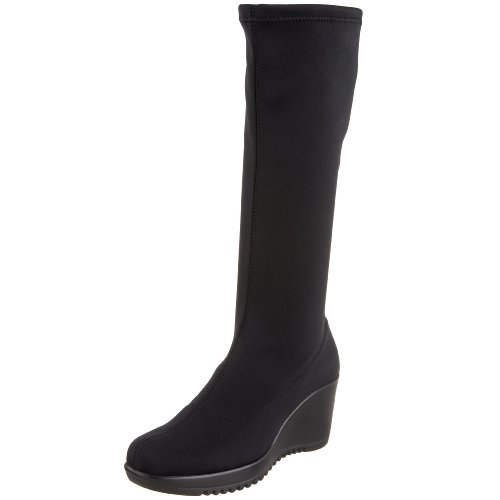
This great boot will look awesome with a skirt or jeans.

Proper Sizing and Fit for Secure Footwear
Finding the right fit is a game changer when it comes to preventing ankle rolls in platform wedges. Proper sizing means shoes should feel snug without pinching. Measuring feet in the evening, when they are slightly swollen, helps find the most accurate size and guarantees a comfy toe box that doesn’t squeeze. Also, paying attention to width is key; a shoe too narrow or too wide can cause foot slipping and instability. Choosing wedges with a full back or sturdy back straps truly makes a difference, as they hold the foot securely, reducing unwanted movement. Regularly inspecting for worn soles or damaged straps is a simple but often overlooked step to maintain reliable support and keep ankles safer during wear. Additionally, selecting footwear with memory foam insoles can significantly enhance stability and cushioning, further preventing ankle injuries.
Recommended Products

sku=36768103-6

[Upgraded Rooftop Tent Hardshell to 100% Market Excellence] - HEYFUN roof top tent RTT, directly from the industry-leading manufacturer, are standout options with attachable side awning and built-in LED light strip, perfect choice for camping enthusiasts and seasoned adventurers of all levels valuing quality and affordability.

Crystal embellished details
Strengthening Exercises for Ankles and Lower Legs
Securing a snug fit is just the first step toward safer walks in high platform wedges, but boosting ankle strength takes preventive care a step further. Incorporating calf raises greatly enhances ankle stability by strengthening the lower leg muscles that support the joint. Additionally, resistance band exercises focusing on ankle dorsiflexion and plantarflexion build muscle endurance, improving balance and control. Balance exercises like single-leg stands increase proprioception, which helps prevent unexpected ankle rolls. Lateral band walks target muscles around the ankles to enhance side-to-side stability during dynamic movements. It’s important to stretch the calf muscles regularly after workouts to keep the ankles flexible and less prone to injury. These practical exercises build a stable foundation for anyone aiming to navigate platform wedges more securely, making a difference every step. Choosing shoes with features like a platform heel design also helps ease foot pressure and improve stability when dancing or walking for long periods.
Techniques for Safe Walking in Platform Wedges
Mastering a heel-to-toe walking motion makes a noticeable difference in stability when maneuvering platform wedges. To walk in wedges safely, it helps to maintain slightly bent knees that absorb shock and improve balance. Engaging your core actively while keeping shoulders back enhances posture and overall steadiness, especially on uneven ground. Practicing on various surfaces, such as tile, gravel, or carpet, builds confidence and allows real-time balance adjustments. Choosing wedges with a roomy toe box alleviates cramping, which also supports comfort and safer walking. While testing different wedge types—some with 3-inch wooden platforms and others with 4-inch cork bases—it became clear that steady heel-to-toe steps combined with a strong core truly make a difference, helping to keep ankles from rolling and feet feeling more secure. Additionally, selecting shoes with roomy toe boxes similar to those found in T-strap pumps can further enhance comfort and reduce foot fatigue.
Using Support Features to Prevent Foot Slippage
Although platform wedges provide a stylish lift, they can quickly become uncomfortable or unsafe without proper foot support. Choosing wedges with back straps or full backs offers vital support features, which keep the foot from sliding forward and toes from curling inside the toe box, thereby reducing foot slippage. A snug fit is essential; shoes that cling to the foot firmly, especially around the midsole, stabilize movement and prevent shifting that could lead to ankle rolls. Adding cushioned insoles also helps by aligning the foot correctly and cushioning impact during walking. Testing wedges with thicker heels demonstrated better balance and less wobbling, making them a safer choice for extended wear. Overall, these support features guarantee a comfy, secure experience, even if you’re not naturally graceful on high platforms. Selecting wedges with adjustable straps and roomy toe boxes further enhances stability and support to prevent slips and injuries.
Recommended Products

High-Quality Swim Gear: Practice explosive race starts with this platform that adds power and agility to a swimmer's dive and fits all standard blocks

Unique design converts fork trucks into overhead lifting cranes
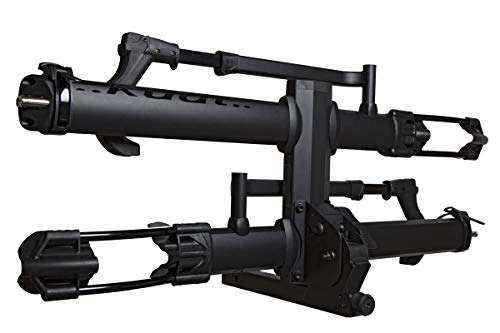
ALL-METAL HITCH-MOUNTED BIKE RACK - The Kuat NV Base 2.0 is a highly durable, all-metal hitch-mounted bike rack designed to transport up to two bikes securely, including heavier electric bikes, with each tray supporting up to 60 lbs. This makes it a versatile option for cyclists with a range of bike types, from lightweight road bikes to bulkier e-bikes; the all-metal design ensures long-lasting durability and the strength needed to handle heavy loads; a powder-coated finish resists rust and wear
Preparing Your Wedges for Better Traction
When high platform wedges have smooth soles, slipping becomes a real concern, especially on slick or uneven surfaces where balance is already challenged. One practical way to improve traction is by lightly distressing the bottom with fine-grit sandpaper, which creates texture and reduces slipperiness. Also, regularly inspecting the soles is crucial because worn bottoms can greatly increase slipping risks and ankle rolls. Adding rubber sole grips or traction pads enhances grip further; these pads are typically around 2-3 millimeters thick and stick securely, making a noticeable difference on tile or wooden floors. Before heading outdoors, trying wedges on different surfaces helps wearers get used to how much traction they provide. After such prep, many find wedges feel more stable and comfy, even when they initially dreaded that dreaded roll—who knew? Using rubber soles with anti-slip features can significantly improve safety and comfort when wearing high platform wedges.
Recommended Products
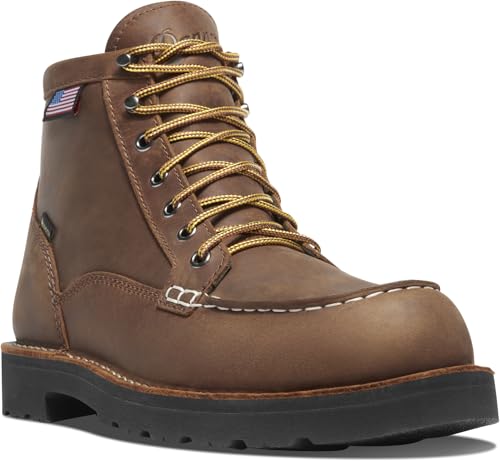
Durable, oiled, full-grain leather upper with moc toe design and contrasting stitch

Upper 90% Goat Leather, 10% Elastic, Lining 100% Pig
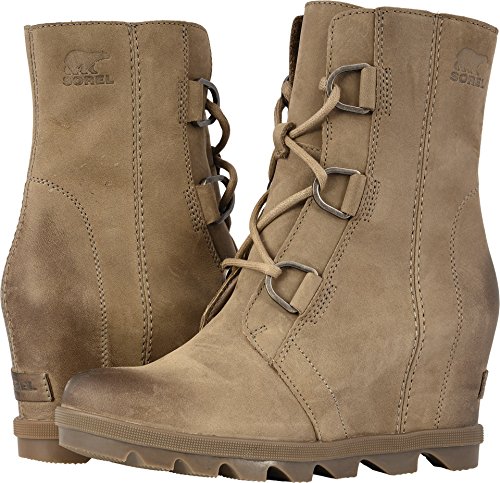
Joan of Arctic Collection: This fan favourite wedge keeps you warm and dry in rainy conditions
Being Mindful of Environmental Factors While Walking
Beyond prepping the wedges themselves for better grip, paying attention to environmental factors is just as important for avoiding ankle rolls. Walking on uneven surfaces like cobblestones or loose gravel can seriously challenge balance in high platform wedges, increasing the risk of twisting an ankle. Slipping is another major hazard, especially on slick, wet paths that reduce traction. One tester was truly blown away by how quickly her footing faltered on a rain-soaked sidewalk, even with well-prepped soles. Narrow sidewalks and curbs require extra caution since they compromise stability and make missteps easy. Opting for clear, stable walking paths keeps footing steady, reduces surprises, and helps maintain balance. Being mindful of these details guarantees safer, comfier steps without sacrificing style. Wearing heels with a non-slip outsole can significantly improve stability and reduce the chance of ankle rolls on various surfaces.
Frequently Asked Questions
How to Prevent Ankles From Rolling?
Ankle stability is enhanced through proper footwear choices, such as shoes with thicker heels and supportive straps. Additionally, strengthening ankle muscles and practicing balanced walking techniques contribute greatly to preventing ankles from rolling during daily activities.
How to Walk in Platform Wedges?
Balancing techniques in platform wedges involve maintaining controlled foot placement through heel-to-toe steps. Engaging the core and taking deliberate, slow strides enhances stability, ensuring safer, more confident walking despite the elevated height and design challenges.
Do High-Tops Help Prevent Ankle Rolls?
High-tops enhance ankle support and shoe stability, reducing lateral movement that causes ankle rolls. Their design increases proprioception and secures the ankle, making them beneficial for preventing ankle rolls compared to lower-cut footwear.
How to Stop Rolling Ankle in Heels?
To stop rolling an ankle in heels, one must master the ancient art of perfect shoe selection, prioritizing ankle stability over style. Otherwise, it’s a graceful dance of disaster waiting to happen—heel first, floor second.


