As an Amazon Associate, we earn from qualifying purchases. Some links on this site are affiliate links at no extra cost to you. Our recommendations are based on thorough research and editorial judgment.


Kitten Heels vs. Flats: Which Is Actually Better for Your Arches?

Kitten heels, with a subtle 1.5 to 2-inch lift and cushioned gel soles, generally support arches better than flats, which often lack padding and cause sore feet after just a couple of hours. Flats usually have thin rubber soles and minimal arch support, leading to discomfort or blisters, especially on long days. Kitten heels also offer better stability and weight distribution, making them a smarter choice overall. For those curious about comfort tweaks and arch types, more insights follow.
Key Takeaways
- Kitten heels provide gentle arch elevation, which supports natural foot alignment better than flats.
- Flats often lack sufficient arch support and cushioning, increasing the risk of foot pain and plantar fasciitis.
- Cushioned gel or rubber soles in kitten heels enhance shock absorption and reduce arch pressure compared to typical flats.
- Properly designed kitten heels with built-in arch support benefit both flat and high-arched feet, unlike most flats.
- Adjustable kitten heels secure fit and minimize foot movement, helping maintain arch health during extended wear.
Understanding Arch Support and Foot Anatomy

Arch support plays an essential role in maintaining foot health, as it evenly distributes body weight and reduces strain on ligaments and tendons. Foot anatomy includes three main arches: medial longitudinal, lateral longitudinal, and transverse, all vital for balance and shock absorption. People with flat feet, which means little or no arch, often experience discomfort due to excessive inward rolling of the foot, known as overpronation, causing strain during walking or standing. Conversely, high arches create limited ground contact, reducing natural shock absorption and leading to pain in the feet, knees, or back. Proper arch support can help both groups by providing stability and distributing pressure. Understanding these differences helps consumers select footwear with arch support features designed for their unique foot shape, ensuring more comfort and less fatigue throughout the day. Choosing shoes with cushioned comfort materials can further enhance foot support and reduce fatigue.
How Kitten Heels Affect Arch Pressure

How exactly do kitten heels influence the pressure felt on the middle part of the foot? By providing a slight elevation—usually around 1 to 2 inches—kitten heels help distribute body weight more evenly, reducing arch strain compared to flats. This gentle lift encourages a more natural foot position, enhancing arch support, especially for those prone to plantar fasciitis. During testing, styles with cushioned gel or rubber soles noticeably increased comfort, easing arch pressure over several hours of wear. However, comfort depends heavily on proper arch support built into the shoe; otherwise, even kitten heels can become a pain. While not a miracle fix, kitten heels offer a subtle balance between style and foot health, making them a surprisingly comfy alternative for those seeking minimal arch elevation without sacrificing everyday wearability. Choosing kitten heels with adequate arch support is essential for preventing foot pain and ensuring all-day comfort.
Recommended Products

Adjustable Slouchy Knee-High Design: Features a casually draped, scrunched shaft; can be folded or stretched to easily control the boot height and style for a custom look.

Toe protection and performance enhanced by super sticky rubber on upper toe-box and instep

The Impact of Flats on Foot Health

Often overlooked in their simplicity, flats can surprisingly pose several challenges to foot health. Flats generally lack sufficient arch support, making them less than ideal for extended wear, as this absence can trigger foot pain and conditions like plantar fasciitis or fallen arches. Their basic construction—usually with minimal cushioning and no fastenings—often causes friction, leading to blisters and callouses, which isn’t great for daily foot care. Additionally, poor alignment from wearing unsupported flats can worsen back, hip, and knee pain. Testing various flats on uneven surfaces, with a 5mm sole thickness and no arch reinforcement, left me truly blown away by how much discomfort develops after just a few hours. Despite being comfy initially, flats demand more scrutiny to protect overall foot health effectively. Choosing footwear with proper heel height and style can significantly enhance comfort and prevent strain during prolonged use.
Recommended Products

sku=36768103-6


Material - Upper: Leather (nubuck)
Choosing Footwear Based on Your Arch Type
Footwear choice becomes particularly important when considering the shape and support needs of one’s feet. For flat feet, especially rigid types, high heels are generally unsafe, but flexible flat feet might handle low kitten heels well if paired with good arch support and custom orthotics. High arches demand kitten heels with shock-absorbing soles made from cork or rubber to improve comfort by enhancing ground contact. Flat shoes offer little arch support, often causing pain or plantar fasciitis, so kitten heels are usually a safer bet. Additionally, foot type impacts fit: narrow feet benefit from adjustable kitten heels for a secure step, while wide feet find these heels more accommodating than flats when wider toe boxes or adjustable straps are included. Each foot type deserves targeted footwear to protect arch health effectively. It is also important to consider heels with cushioned insoles and proper arch support to reduce foot pressure and increase comfort during wear.
Recommended Products

Slingback dress shoes for women with D’Orsay side styling and 1 5/8 inch block heel for comfortable all day wear

Elegant silhouette with pointed toe: Streamlined pointed toe design creates a refined look; pairs effortlessly with office or evening attire; adds sophistication to everyday outfits

Elegant Design: Features a pointed toe with a sleek silhouette; pairs beautifully with wide-leg pants and evening gowns; gracefully curved shoe opening visually elongates legs for a flattering look
Materials and Design Features That Enhance Support
Supportive design begins at the sole, where kitten heels really shine compared to flats. Their rubber sole offers extra grip and shock absorption, which boosts both comfort and foot stability during wear. Unlike most flats, kitten heels often include built-in arch support, catering to different needs—whether flat feet or high arches. Materials like gel padding combined with a slightly raised heel create a gentle slope, distributing weight evenly and easing pressure on the arches. Adjustable fastenings further enhance fit, reducing unnecessary foot movement and strain. Flats generally skip these features, with minimal cushioning and a flat base that may feel less comfy after long hours. After trying several pairs, it’s clear that the thoughtful use of supportive materials and design in kitten heels makes them a smarter choice for arch health. Additionally, cushioned toe boxes in kitten heels ensure all-day comfort by preventing discomfort during extended standing or walking.
Recommended Products


nappa leather

Versatile 2-in-1 Detachable Design: Instantly transforms from sleek tall boots to refined ankle boots; removable knitted leg warmers add adaptable elegance to any outfit.
Tips for Selecting Comfortable Shoes for Daily Wear
How does one find the perfect shoes for daily wear without sacrificing comfort? First, comfortable shoes must offer proper fit, including half sizes and widths, to avoid pinching or blisters in the toe box. Next, adequate arch support is essential; it relieves strain and prevents foot issues over time. Shoes with removable insoles were tested and proved beneficial, allowing customization using orthotic inserts for flat or high arches. Materials like gel, rubber, or TPU soles provide cushioning that decreases foot fatigue during long days, which this writer truly appreciates after hours on hard floors. Additionally, adjustable features such as laces or riptape fastenings enhance fit and stability, ensuring shoes stay securely in place. Overall, combining these factors results in a practical yet comfy choice for everyday wear. It is also important to consider wide-width options to ensure enough room in the toe box, enhancing comfort and reducing pressure.
Recommended Products


One-piece upper design
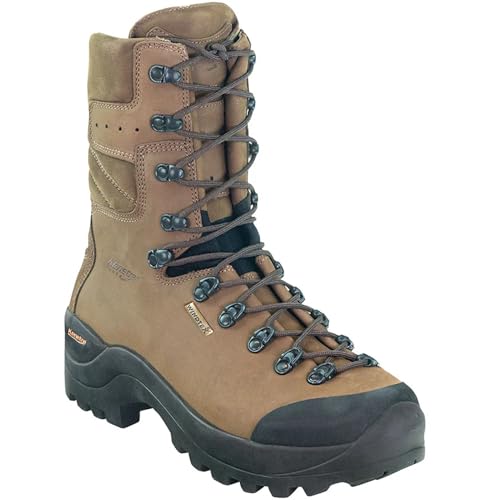
RUGGED MOUNTAIN PERFORMANCE - Engineered for demanding terrains, the Kenetrek Men's Mountain Guide NI Boots feature 2.8mm high-quality leather uppers with a one-piece vamp construction; This seamless design improves abrasion resistance and waterproofness for long-lasting durability
Frequently Asked Questions
What Is the Healthiest Shoe for Your Foot?
The healthiest shoe optimizes arch support features tailored to foot shape compatibility, integrates cushioning technology advantages for shock absorption, and maintains a moderate heel height impact to evenly distribute pressure, preventing strain and promoting overall foot stability.
Are Flats or Heels Better for Your Feet?
Heels with moderate elevation generally provide better arch support and reduce foot fatigue compared to flats. Materials like cork enhance comfort, and adjustable designs improve ankle support, minimizing strain and promoting overall foot health more effectively than most flats.
Why Do Podiatrists Hate Ballet Flats?
Podiatrists perceive ballet flats as problematic primarily due to poor arch support, posing potential pitfalls for foot health. They promote alternative styles emphasizing sturdier sole structures and cushioning to protect, prevent pain, and promote proper posture.
What Shoes to Avoid With High Arches?
Shoes to avoid with high arches include those lacking arch support, made from rigid materials, or featuring narrow toe boxes. Such footwear disrupts foot alignment, potentially causing long term effects like pain and discomfort.


