As an Amazon Associate, we earn from qualifying purchases. Some links on this site are affiliate links at no extra cost to you. Our recommendations are based on thorough research and editorial judgment.


Men’s vs. Women’s Sizing: Converting Sizes for Unisex Heel Styles

Men’s and women’s shoe sizes differ by about 1.5 to 2 sizes, with men’s sizes generally larger. Unisex heel styles usually follow men’s sizing, so women subtract about 1.5 sizes for a proper fit. Last shapes also differ: men’s lasts have wider toe boxes and higher insteps, while women’s are slimmer. Accurate foot length and width measurements, preferably with a Brannock device, help avoid sizing pitfalls. Comfy fit tweaks include thicker socks and lacing adjustments. More sizing insights and fit tips await.
Key Takeaways
- Men’s heel sizes are usually 1.5 to 2 sizes larger than women’s; subtract 1.5 to convert women’s sizes to men’s in unisex styles.
- Unisex heels typically follow men’s sizing, simplifying conversion but check brand-specific size charts due to varying last shapes.
- Consider width consistency; women’s D width generally equals men’s D width in unisex heel styles.
- Measure feet precisely using a Brannock device or paper tracing to ensure accurate size selection for unisex heels.
- Account for different last shapes and foot volume, trying on styles to adjust fit with laces, insoles, or thicker socks as needed.
Understanding the Basics of Men’s and Women’s Shoe Sizes

Although many shoppers assume shoe sizes translate seamlessly between men’s and women’s styles, the reality is more nuanced, especially when examining unisex heel designs. Men’s shoe sizes are generally about 1.5 to 2 sizes larger than women’s, so to convert women’s sizes to men’s sizing, subtract 1.5 sizes; for example, a women’s 8.5 fits about like a men’s 7. Width across genders remains consistent—a women’s D width equals a men’s D width—which helps keep things a bit simpler. When testing unisex heels, it’s easy to get trips or pinched toes if size conversions are ignored. Each brand uses its own last shape, making it essential not to assume every size aligns perfectly and to measure or try shoes on whenever possible for the comfiest fit. Additionally, selecting heels with adjustable ankle straps can improve fit and comfort across different foot shapes and sizes.
Reasons Behind Variability in Shoe Sizing

When examining unisex heels across brands, the variability in shoe sizing often leaves many consumers puzzled. This inconsistency results from how different manufacturers apply the shoe sizing system; some create women’s sizes by scaling down men’s lasts, while others design distinct men’s and women’s shapes, making direct conversion tricky. Features such as toe box width, heel height, and overall shape further impact fit, often requiring wearers to try multiple sizes to find the right match. Because foot shapes vary, converting men’s sizes to women’s isn’t always reliable for achieving a comfy fit. Understanding these underlying reasons behind sizing differences helps shoppers approach unisex heels with realistic expectations and reduces frustration during selection, ensuring better buying decisions across brands and styles. Considering factors like heel height and toe box dimensions can significantly improve comfort and fit when selecting unisex bridal heels.
Key Differences Between Men’s and Women’s Shoe Lasts

Shoe lasts shape how a pair feels from the moment it goes on your foot. Men’s shoe lasts usually have a wider toe box and higher instep, which fits broader, taller feet comfortably. Women’s shoe lasts, on the other hand, tend to be narrower with a lower profile, adapting to slimmer foot shapes. Additionally, the heel shape in women’s lasts is more curved, helping secure the foot snugly, while men’s lasts prioritize overall stability with a generally longer and sturdier build. Weight distribution also varies; men’s lasts often support greater foot mass. It’s worth noting each brand designs its own lasts, so comfort and fit can fluctuate even between men’s or women’s shoes. This difference largely explains why direct size conversions don’t always guarantee a perfect fit. For both men’s and women’s shoes, the toe box design greatly influences comfort and can vary significantly depending on the intended wear duration and style.
Step-by-Step Guide to Converting Men’s Sizes to Women’s
Many shoppers feel overwhelmed trying to translate men’s shoe sizes into women’s equivalents, but the process can become straightforward with a clear approach. To begin, add 1.5 to the men’s size; for example, a men’s size 9 converts to a women’s 10.5. Because women’s shoes often run narrower, paying attention to the width and toe box shape is essential for comfort. It’s also wise to measure the foot’s heel-to-toe length in centimeters and match that with sizing charts from specific brands, as each can vary due to unique shoe lasts. Knowing that unisex shoes generally follow men’s sizing helps simplify Women’s Shoe Size Conversion and guarantees that shoppers don’t get truly blown away by confusing sizing differences. Additionally, considering features like broader toe boxes can be crucial when selecting styles originally designed for women to ensure a comfortable fit.
Recommended Products

EU Size: 46 – US Size: 13-13.5 Women/12-12.5 Men | Tech on the Mountain | A technically advanced mountaineering boot built for mixed and ice climbing.

ONE SIZE FITS ALL design makes it great and reliable for small and large shoes worn by either men or women in the lab or manufacturing environment. The revesable cup design of the ESD heel grounder can be reversed so that doubles the life span of the product

Two large front inlet ports and a ventilated shinplate deliver continuous airflow for optimal cooling and heat exchange.
How to Convert Women’s Shoe Sizes to Men’s
Understanding the process of converting women’s shoe sizes to men’s is just as helpful as knowing the reverse, especially for those exploring unisex styles or shopping in the men’s section. To convert women’s shoe sizes to men’s, subtract 1.5 sizes; for example, a women’s size 8 corresponds to a men’s size 6.5. Similarly, a women’s size 9 converts to men’s 7.5, while size 10 translates to men’s 8.5. Width tends to stay consistent, so a women’s D width matches a men’s D. However, brands differ slightly, so consulting a size chart is wise to guarantee the best fit. This approach avoids surprises like a tight toe box, making shoe shopping genuinely comfy and less confusing. Additionally, considering the square toe design can help ensure a roomier fit that enhances both comfort and style.
Recommended Products

Skate boots are not like your average shoe. For maximum control, your boots need to fit like a second skin. That is why Bont boot sizing is NOT the same as your US shoe size or other skate brand sizing. Please refer to the chart for the approximate size conversion of foot length in mm to Bont size
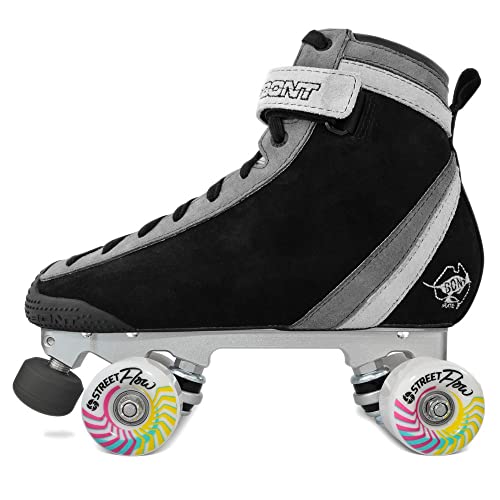
Skate boots are not like your average shoe. For maximum control, your boots need to fit like a second skin. That is why Bont boot sizing is NOT the same as your US shoe size or other skate brand sizing. Please refer to the chart for the approximate size conversion of foot length in mm to Bont size

Skate boots are not like your average shoe. For maximum control, your boots need to fit like a second skin. That is why Bont boot sizing is NOT the same as your US shoe size or other skate brand sizing. Please refer to the chart for the approximate size conversion of foot length in mm to Bont size
Exploring the Relationship Between Unisex and Men’s Shoe Sizes
While unisex shoe sizes often align closely with men’s measurements, this common baseline can be a double-edged sword for those seeking the perfect fit. Unisex shoe sizes typically mirror men’s sizing, but converting for women’s sizes requires subtracting 1.5 to 2 sizes. For example, a unisex 8 usually equals a women’s 9.5 or 10. However, men’s shoes are generally wider, and unisex shoes don’t always adjust for width differences, which can make the toe box feel tight for some. Additionally, unisex shoes focus more on functionality than on gender-specific aesthetics, making them versatile but sometimes less tailored. Consequently, consumers need to reflect on both length and width when shopping unisex styles instead of relying only on numeric size conversions between men’s sizing and women’s sizes. Considering the importance of a roomy toe box is essential to prevent discomfort and allow natural foot spread.
Recommended Products

Advanced microfiber and TPU construction ensures superior durability and abrasion resistance.
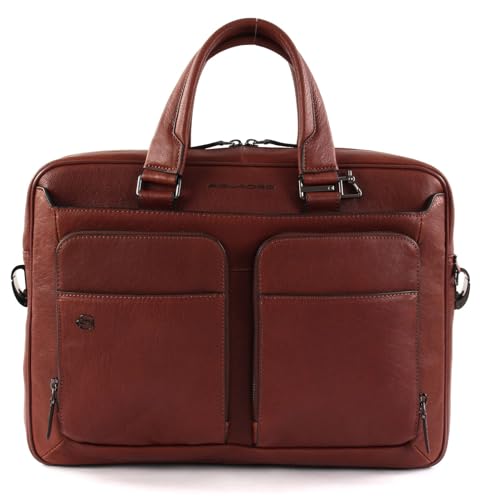
PC15" Port, One Compartment
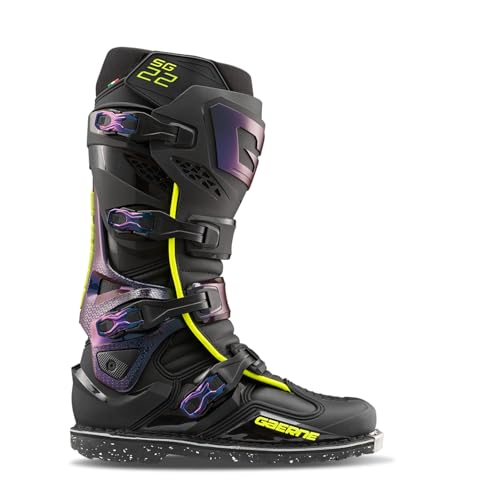
PROTECTION SYSTEM: Gaerne Dual Stage Pivot System 1.0 to provide ankle support and ergonomics
Youth Shoe Sizes and Their Conversion From Adult Sizes
Shoe sizing doesn’t stop at adult measurements; youth sizes play a surprisingly important role, especially for those with smaller feet looking to expand their options. Youth sizes typically range from 3.5 to 7 in men’s sizing, closely matching adult shoe proportions but at friendlier price points. To convert, subtract 1.5 to 2 sizes from women’s shoes (a women’s 5 is roughly a youth 3) or just 0.5 sizes for men’s (men’s 7.5 becomes youth 7). This conversion method is invaluable during shoe shopping, allowing users to tap into youth collections that often have familiar adult styles but in smaller, more affordable sizes. Understanding these conversions helps bypass the frustration of limited options and guarantees a comfy fit for petite feet, which many adults with smaller shoe needs will truly appreciate. Choosing shoes with comfortable padded insoles is also essential to ensure all-day support and comfort.
Importance of Width and Fit in Size Conversion
Fit plays a crucial role in converting sizes between men’s and women’s shoes, especially for unisex heel styles that aim to satisfy a wider variety of feet. When testing these shoes, it became clear that width is a key factor since women’s models usually have a narrower fit compared to men’s. Despite this, width measurements like a D width stay consistent across genders, which simplifies conversions. However, length alone doesn’t guarantee a comfy fit; the shoe’s width, toe box shape, and overall design must align with foot shape to avoid pinching or looseness. For unisex heels, carefully evaluating both width and length guarantees the best fit, although one might still need to try different styles to find a truly comfy pair, especially for wider or narrower feet. Paying attention to roomy wide toe boxes can significantly reduce discomfort by allowing natural toe movement and preventing pinching.
Measurement Techniques for Accurate Shoe Sizing
Many reliable methods exist to measure feet accurately, but none match the precision of a Brannock device, which captures both length and width in one go. For those without one, measure your foot by standing on paper with your heel firmly against a wall and marking your longest toe; this gives an exact foot length in centimeters. Always check both feet because it’s common for one to be slightly larger; selecting the size based on the larger foot avoids uncomfortable tightness. Don’t forget to wear the socks you plan to use with the shoes, since thickness affects fit. Finally, consult size charts that convert foot length to corresponding sizes, ensuring that the chosen size provides a comfy toe box without unnecessary tightness or slippage. Additionally, opting for shoes with adjustable straps can improve the fit and comfort once the correct size is chosen.
How Running Shoe Sizing Differs From Casual Shoes
Although casual shoes focus more on style and occasional wear, running shoes prioritize comfort and performance during vigorous activity. Running shoes generally require sizing about half a size larger than men’s shoes meant for everyday use. This extra space helps accommodate foot swelling and provides a more comfortable fit during long runs. The toe box in running shoes is roomier, allowing toes to move naturally and reducing blister risk, unlike tighter casual shoes. Additionally, running shoes must fit securely around the heel while still offering adjustability through laces, which helps prevent slipping. This balance between snugness and roominess is key for both performance and injury prevention. Overall, the running shoe’s fit diverges considerably from casual footwear, tailoring dimensions to active feet rather than occasional wear. Cushioning materials such as memory foam or gel play a vital role in enhancing comfort and shock absorption in running shoes.
Recommended Products

Up to 24 Hours of Continuous Heat – Powered by dual XLP 2C Bluetooth lithium-ion batteries, this advanced foot warming system delivers all-day warmth for skiing, snowboarding, hunting, or winter work.

Discover new adventures with the Brooks Ghost Trail, a trusted run companion built to inspire confidence off-road. Featuring nitrogen-infused DNA Loft v3 cushioning, it delivers a plush yet responsive ride that adapts to varied terrain. The TrailTack

Oakley Mens Sunglasses: Turbine cranks up the active look with interchangeable icons plus inset zones of sure-grip Unobtainium; Along with clean lines of comfortably lightweight O-Matter and a lens shape inspired by our popular Hijinx sunglass, its durability and performance would make a sport frame jealous
Strategies to Adjust Shoe Fit Beyond Sizing
Shoes that don’t fit perfectly straight out of the box often benefit from small tweaks that improve comfort and performance. Adjusting how laces are tied can accommodate different foot shapes, particularly when the heel-to-toe length matches but the width or instep differs. For example, swapping thin socks for thicker ones can fill extra space and reduce slippage, which matters when foot length is right but volume feels off. After a few wears, some shoes stretch slightly, so reassessing fit helps avoid discomfort later. Additionally, custom insoles tailored through 3D scanning make a big difference by matching the foot’s unique contours and reducing pressure points. These strategies prove effective for those dealing with a different length or shape that simple size conversions don’t fully solve.
Recommended Products

Dual-Zone BOA Fit System with Coiler technology features two distinct lace zones that can be independently adjusted with the twist of a dial

Nike The free phylite midsole also serves as an outsole for lightweight cushioning, durability, and reduced weight Deep hexagonal

Classic lacing system for a secure and adjustable fit
Benefits of Professional Fitting Services and Test Runs
Releasing the full potential of unisex heel styles often hinges on professional fitting services that go beyond simple size charts. These services use 3D scans and gait analysis to tailor shoe recommendations that prioritize comfort and fit. Custom insoles made from individual foot profiles provide extra support, which can prevent injuries and improve wearability. Additionally, the 90-day test run option lets customers wear their shoes in real-life conditions, evaluating comfort, toe box space, and overall performance before committing. This approach helps avoid buyer’s remorse and guarantees satisfaction. Maintaining digital scans also makes reordering replacements effortless. The combination of professional fitting services and test runs assures that customers are truly blown away by both fit and feel, even if they’re not experts in shoe sizing nuances.
Frequently Asked Questions
Is Unisex Shoe Sizing the Same as Men’s?
Unisex shoe sizing is similar but not identical to men’s, revealing subtle yet essential sizing standards comparison. Unisex style differences focus on narrower lasts, requiring attention to foot shape considerations for ideal fit, ensuring accuracy beyond mere numbers.
How Do I Convert Shoe Sizes Between Genders?
Shoe size charts facilitate converting sizes between genders by adding or subtracting 1.5 to 2 sizes. Heel height differences and style preferences also influence fit, making comparisons essential for selecting appropriate unisex shoes.
Is Unisex Sizing Bigger Than Women’s?
Unisex sizing towers over women’s, often appearing as colossal in unisex fit comparison with subtly wider heel width variations. These exaggerated dimensions reflect evolving style preference trends, prioritizing comfort and inclusivity over traditional, narrow women’s shoe measurements.
How Do Men’s Sizes Convert to Women’s?
Men’s sizes typically convert to women’s by adding 1.5 sizes to account for size differences. Using conversion charts guarantees accuracy. Heel height rarely affects size but may influence overall fit and comfort during conversion decisions.


