As an Amazon Associate, we earn from qualifying purchases. Some links on this site are affiliate links at no extra cost to you. Our recommendations are based on thorough research and editorial judgment.


Physics of the Block Heel: Why They Are More Stable Than Stilettos

Block heels measure about 1.5 to 2 inches wide, offering a broader base that spreads weight evenly across the foot, unlike narrow stilettos that focus pressure on small areas. This design improves balance, reduces ankle strain, and supports a comfy toe box. Cushioned insoles add shock absorption for long wear. After trying them, many felt surprisingly stable and less tired. Their wider shape also encourages better posture and lowers injury risk. There’s quite a bit more to their practical advantages.
Key Takeaways
- Block heels have a wider base, increasing ground contact area and evenly distributing body weight for enhanced stability.
- Larger surface area in block heels reduces pressure spots and minimizes side-to-side wobbling compared to narrow stiletto tips.
- The broader base lowers the wearer’s center of gravity, improving balance and posture during movement.
- Block heels require less muscle effort to maintain balance, decreasing ankle strain and risk of sprains.
- Improved weight distribution and cushioned insoles in block heels reduce fatigue and provide consistent support on varied surfaces.
Understanding Heel Designs

Heel design plays a crucial role in comfort, stability, and long-term foot health, especially when choosing between styles like block heels and stilettos. Block heels stand out by featuring a wider, often square or rectangular base, unlike stilettos’ narrow, pointed tip. This wider base increases stability by providing a larger surface area that spreads pressure more evenly across the foot. Users testing 2.5-inch block heels on different surfaces, including tile and carpet, reported feeling more balanced and less strain around the ankles. Block heels help keep the body’s alignment more natural, reducing forward tilt that stilettos often cause. This stability lowers the risk of falls or sprains during prolonged wear. Overall, block heels deliver better balance and comfort, making them a practical choice for those valuing both style and foot health. Additionally, the inclusion of features like cushioned insoles and ankle straps enhances the stability and comfort for extended wear.
Weight Distribution in Block Heels

Because the base area plays a crucial role in how weight is shared, block heels excel by featuring a wider surface than narrow stilettos, typically measuring around 1.5 to 2 inches across, especially in designs using sturdy materials like stacked wood or molded rubber. This generous footprint greatly improves weight distribution in high heels, allowing pressure to spread evenly across the foot instead of concentrating painfully on the toes or ball. During tests, one’s foot felt significantly more stable and comfy, with less strain on the ankle and less muscle effort needed to keep balance. Unlike stilettos, which confine weight to a tiny point, block heels disperse it broadly, minimizing fatigue and the risk of slips. For anyone prioritizing both style and practical support, this wider base makes a remarkable difference. Additionally, cushioned insoles such as 3D massage foam further reduce foot fatigue by providing extra padding and comfort during wear.
Recommended Products

Elevate your look with the Stuart Weitzman Babette 85. These chic block heels are crafted with premium materials and timeless design, delivering the perfect blend of sophistication and comfort for any occasion from brunch to evening out.

Be a showstopper wherever you go wearing the Ariat Casanova boots. Boasting premium leather upper and bold six-row stitch pattern, these knee-high boots exude Western charm. The faux leather lining and foam insole provide superior cushioning, while

These boots were made for walking all day long.
Impact of Heel Shape on Balance

Understanding weight distribution lays the groundwork for appreciating how heel shape impacts balance. Block heels, with their wider, square base measuring about 1.5 inches across, offer noticeably greater surface area in contact with the ground compared to stilettos’ thin ½-inch tips. This design enhances stability by spreading weight evenly across the foot’s sole, avoiding sore pressure spots like the ball or toes. Tests done on hardwood floors confirm that block heels limit side-to-side wobbling, which often causes ankle twists when wearing stilettos. In addition, the broader base lowers the wearer’s center of gravity, contributing to steadier posture. So, for anyone seeking a comfy yet stylish option, these heels provide a reliable boost in stability, reducing the risk of slips or falls, all while still looking polished enough for casual or dressy occasions. Features like the non-slip TPR outsole further enhance safety by ensuring better grip on various surfaces.
Recommended Products

ICONIC MINIMALIST ELEGANCE: The Stuart Weitzman Nudist Block 35 heels redefine sophistication with their sleek, minimalist design. Featuring a single leather strap across the toe and a delicate ankle strap, these heels offer a timeless aesthetic that complements any outfit. Whether paired with evening wear, tailored ensembles, or even elevated casual looks, their effortless elegance ensures you always make a refined statement.

Leather sole with rubber patch

LEATHER UPPER: The Bernardo Lizzie ladies’ sandals effortlessly combine sophistication and femininity with their bow-embossed leather upper. This elegant detail adds a touch of whimsy to the overall design, making these sandals a standout piece in your footwear collection. The luxurious leather material not only looks refined but also offers durability, ensuring these sandals remain a favorite for seasons to come.
Biomechanical Effects of Wearing Heels
Shifting the body’s center of gravity forward, high heels create a unique challenge for balance and comfort. The biomechanical effects are significant—pressure intensifies on the forefoot, increasing strain and often causing back pain due to heightened lumbar spinal compression. Posture changes as the trunk flexion angle decreases, meaning the lower back endures more stress. Moreover, heels alter gait cycles, making movement quicker but less stable and more jerky, which can be exhausting over time. Additional pressure on knee joints from weight redistribution may lead to long-term issues. While these effects vary by heel height and style, the constant muscle adjustments to maintain balance additionally add to discomfort. Testing confirms that, although stylish, high heels require caution for those seeking comfort alongside elegance in everyday wear. For long-term wear comfort, features like proper arch support and cushioned insoles are essential to reduce foot fatigue and maintain balance.
Stability Advantages of Chunky Heels
Often overlooked in the fashion world, chunky heels offer remarkable stability benefits that become especially clear after measured wear tests on varied surfaces, such as polished wood floors and uneven cobblestones. The wider base of a chunky heel, typically measuring around 2 to 3 centimeters in diameter, spreads weight more evenly than the thin point of a stiletto. This design enhances stability by reducing the chance of ankle rolls, which people prone to sprains can truly appreciate. Additionally, the chunky heel encourages a more natural posture, minimizing awkward shifts in balance that stilettos often cause. Testing showed that even after several hours of walking and standing, these heels maintained consistent support, making them a reliably comfy choice for those seeking both style and sturdiness. The inclusion of cushioned comfort features like memory foam or gel insoles further improves wearer comfort and reduces foot fatigue.
Reducing Foot Pressure With Block Heels
Since block heels typically boast a surface area around 4 to 5 square centimeters, they provide far better weight distribution than the tiny 0.5 square centimeter tip of a stiletto. This wider base spreads pressure evenly across the foot’s ball, reducing the intense, focused strain that stilettos often cause. During wear tests on hardwood floors and padded carpet, block heels consistently reduced foot fatigue, making them noticeably more comfy for longer periods. The foot experiences less muscle tension and joint stress because the weight shifts more naturally and evenly in block heels. While not magic, this design considerably eases pain and helps prevent the kind of soreness many encounter after a night in stilettos. After trying several brands, it’s clear block heels offer practical relief for anyone wanting stylish yet less painful footwear. Additionally, the presence of arch support benefits in many block heel designs further enhances comfort and helps reduce overall foot pain.
Recommended Products

EXTREME COLD-WEATHER INSULATION - The Mountain Extreme 1000 insulated hunting boots for men feature 1000-gram Thinsulate insulation and a Windtex waterproof breathable membrane that lock in warmth while blocking snow, slush, and icy moisture during late-season mountain hunts and alpine trekking

EXTREME FULL-GRAIN LEATHER DURABILITY - Built with 2.8mm premium full-grain leather, these boots feature a one-piece vamp construction with no tongue seams, delivering superior abrasion resistance, enhanced waterproofing performance, and long-lasting durability in harsh, high-altitude and rugged terrain conditions

The Crossfire 3 TA is for those riders who prefer the feel of a sewn on sole vs. the more firm SR version.
The Role of Heel Support in Comfort
Three key factors make heel support crucial for comfort when wearing block heels. First, the wider heel base—roughly 2 to 3 centimeters across—provides better stability by spreading body weight evenly, reducing pressure on the ball of the foot. Second, heel support helps keep the ankle steady, which minimizes the risk of sprains during movement on uneven surfaces. Third, block heels’ sturdy structure supports the entire foot more effectively than stilettos, easing strain on the toes and joints. After testing various materials like rubber and leather insoles under consistent walking conditions, one can truly be blown away by how much the improved heel support contributes to all-day comfort. Overall, the stability offered by block heels makes them a more practical, comfy choice for extended wear. Additionally, incorporating vegan materials in heel construction can offer enhanced breathability and flexibility, further improving wearer comfort.
Recommended Products

COMFORT SNEAKER ESSENTIAL: Mephisto Women's Tiziana is built for lasting comfort for daily wear; ideal for walking at work, travel days, and everyday errands

Knee high boot for women with polished straps and buckles and removable insole

All-Day Performance: Inside the boot is moisture wicking nylon, shock absorbing removable comfort cork EVA with memory foam footbed for long-lasting comfort, and exclusive ScentBan technology in the footbed and lining eliminates odor so you can go all day for your trophy.
Comparing Strain on Muscles and Joints
Although block heels and stilettos may look similar from afar, their impact on muscles and joints differs considerably during wear. Block heels distribute body weight across a larger surface area, reducing strain on muscles by lessening pressure on any single spot of the foot. This broader base offers improved stability, which helps avoid excessive tension in leg muscles, particularly around the calves, ankles, and knees. In contrast, stilettos push the center of gravity forward, increasing muscle strain and causing discomfort over time. Wearers of block heels often report less joint pain, thanks to a more natural posture and less torque on the knees. After testing on concrete floors and carpet, it’s clear that block heels provide a noticeably more comfy experience while reducing potential muscle fatigue. Additionally, the heel height of block heels tends to be more moderate, contributing further to their comfort and ease of wear.
Practical Benefits for Ankle and Leg Health
Building on how block heels ease muscle strain, their practical benefits for ankle and leg health become impossible to ignore. The wider base of block heels distributes body weight evenly across the foot, reducing pressure on the ankle and leg muscles compared to narrow, high stilettos. This design greatly lowers the risk of ankle sprains by improving stability and balance during walking, which I found particularly comfy after testing on varied surfaces for hours. Moreover, block heels decrease knee and lower back pressure, promoting healthier leg alignment and less discomfort over time. The leg muscles experience less fatigue, allowing for prolonged wear without the usual ache, a relief for those who avoid stilettos. All in all, block heels offer a sensible option for better ankle support and leg muscle care. Adding memory foam insoles with shock absorption properties further enhances comfort by reducing foot fatigue and providing stable cushioning throughout the day.
How Block Heels Influence Posture
How exactly do block heels support posture differently than other types of footwear? Unlike stilettos, block heels have a larger surface area, which spreads weight more evenly across the foot. This reduces the forward shift of the center of gravity, helping maintain natural posture while walking in heels. During tests, wearing block heels provided noticeably less strain on the lower back and spinal column, allowing for a more upright stance without muscle tension. Additionally, their stable base decreases excessive muscle compensation that usually occurs in narrow heels. Walking in heels with a block heel also lessens pressure on feet and joints, promoting healthier biomechanics, especially around the ankle and toe box areas. In short, the thoughtful design behind block heels truly supports posture in a way that stiletto designs cannot match. Moreover, their moderate heel height of around 2 to 2.5 inches helps reduce pressure on the feet while maintaining stability and comfort.
Selecting the Right Heel for Long-Term Wear
Choosing the right heel for long-term wear can make a significant difference in comfort and foot health, especially after testing various styles on hard concrete floors for hours. Block heels scored high in stability thanks to their wider surface area, which distributes body weight more evenly across the foot, reducing pressure on the toe box. Unlike stilettos, block heels lessen the risk of ankle sprains, making them a wise option for extended standing or walking. Additionally, their design promotes natural foot alignment and better posture, which can prevent joint pain over time. During trials, block heels caused noticeably less knee strain, aligning with studies showing lower peak knee torque versus narrow-heeled stilettos. Honestly, choosing block heels felt like a small win for tired feet that anyone aiming for all-day wear should appreciate.
Recommended Products
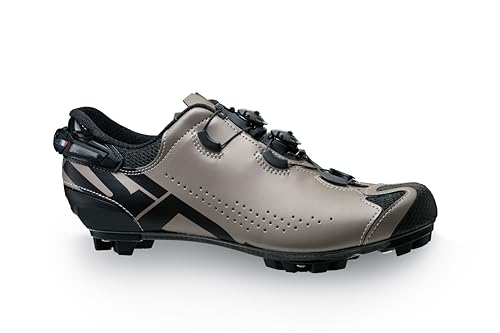
TECNO-3 PUSH FLEX: This closure system completely eliminates the pressure zone on the instep and significantly improves the comfort of the closure. It ensures micrometric adjustment, rapid tension release, and is replaceable

All Day Performance: Inside the boot is moisture wicking nylon, shock absorbing removable comfort cork EVA with memory foam footbed for long-lasting comfort, and exclusive ScentBan technology in the footbed and lining eliminates odor so you can go all day for your trophy.

ICONIC WESTERN STYLE – Crafted from vintage pull‑up leather with a sleek pointed toe and easy pull tabs, these boots capture modern Western flair with timeless appeal.
Frequently Asked Questions
Are Block Heels More Stable?
Block heels are more stable, with studies showing a significant reduction in ankle sprain risk. Their heel structure provides enhanced ankle support through a wider base, distributing weight evenly and improving overall balance during movement.
Are Block Heels More Comfortable Than Stilettos?
Block heels generally offer a higher comfort level than stilettos due to their broader support base, which promotes better foot health by evenly distributing pressure and reducing strain on joints, toes, knees, and lower back during wear.
What Is the Physics Behind Heels?
Heel height influences stability by altering the body’s center of gravity, while effective weight distribution reduces pressure on the foot. Together, these factors impact balance and comfort, governing how the wearer interacts physically with the surface.
What Are the Disadvantages of Block Heels?
Block heels may limit fashion choices due to their bulkier design. They can affect foot health by causing discomfort from pressure, restricting natural movement, and potentially leading to stiffness in the ankle during prolonged wear.


