As an Amazon Associate, we earn from qualifying purchases. Some links on this site are affiliate links at no extra cost to you. Our recommendations are based on thorough research and editorial judgment.


The Structural Integrity of Heels in Extended Sizes: Reinforced Shanks

Extended size heels need reinforced shanks made from steel, aluminum, or carbon fiber to hold up under extra weight and pressure. These shanks sit between the insole and outsole, supporting the arch to stop the shoe from bending or collapsing. From testing, reinforced shanks also spread out pressure evenly, making wider toe boxes feel comfy and stable for longer wear. The combination of solid structure and cushioned insoles helps maintain foot health and balance. Stick around to uncover more on how shank design improves these big heels.
Key Takeaways
- Reinforced shanks provide critical structural support, preventing midsole collapse and maintaining proper foot posture in extended size heels.
- High-strength materials like steel, aluminum, and carbon fiber enhance durability and shoe longevity by up to 40%.
- Shanks are positioned between the insole and outsole, supporting the arch and accommodating varied heel heights and widths.
- Ribbed and composite shanks improve weight distribution and stability, reducing pressure points and enhancing comfort for larger foot sizes.
- Proper shank integration stabilizes heel alignment, reduces foot fatigue, and supports healthy foot posture during prolonged wear.
Importance of Structural Support in Extended Size Heels

Structural integrity plays an essential role in the performance of extended size heels, especially when supporting increased weight and pressure points. Shanks provide crucial support by reinforcing the arch, helping maintain proper foot posture and preventing midsole collapse. Without sturdy shanks, the risk of injury rises due to poor weight distribution and instability within the shoe, particularly around the heel counter. Comfort and foot health benefit directly when shanks evenly distribute pressure, minimizing painful pressure points in larger sizes. During tests, heels with well-designed shanks maintained their shape and support after hours of wear, something this author truly appreciated after many less comfy attempts. For consumers seeking durability and comfort, shanks are an indispensable feature, effectively balancing support with structural integrity in extended size heels, ensuring safer, longer-lasting footwear. Additionally, features like a wider base and non-slip soles further enhance stability and comfort for extended size heels.
Materials Commonly Used for Reinforced Shanks

Several materials have become go-to choices for reinforced shanks in extended size heels, each bringing unique qualities to the shoe’s performance. Steel shanks are the most common, offering solid structural support that prevents midsole collapse under heavier weight. Aluminum, lighter and corrosion-resistant, provides effective arch support while keeping overall shoe weight down, contributing to comfort in daily wear. Fiberglass-reinforced plastic balances rigidity and flexibility, molding well to foot contours without compromising durability. Composite materials combine the benefits of various substances, enhancing strength and weight distribution while reducing foot fatigue. Each material’s role is critical, as proper arch support and midsole integrity directly affect comfort and longevity. After testing, it’s clear that material choice considerably influences a heel’s ability to handle extended sizing demands without feeling clunky or unstable. Incorporating materials that provide arch support needs is essential for maintaining both comfort and structural integrity over extended wear.
Recommended Products

Motorcycle-Ready Design: 11-inch pull-on design built for motorcycle enthusiasts seeking reliable performance and protection.
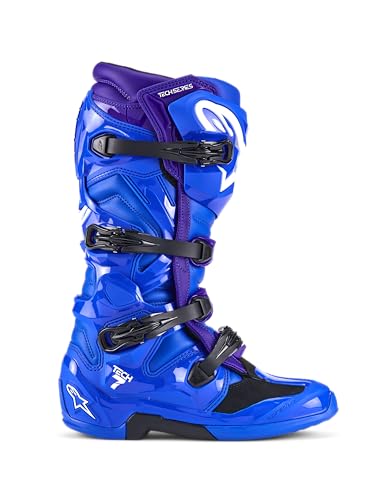
Innovative TPU lower shell design on the shifter area with metal shank reinforcement and abrasion-resistant toe zone for precise shifting control.

FIRE-RESISTANT UPPER: these men's firefighter boots feature a durable leather upper treated for fire resistance
Placement and Integration of Shanks in Heel Construction
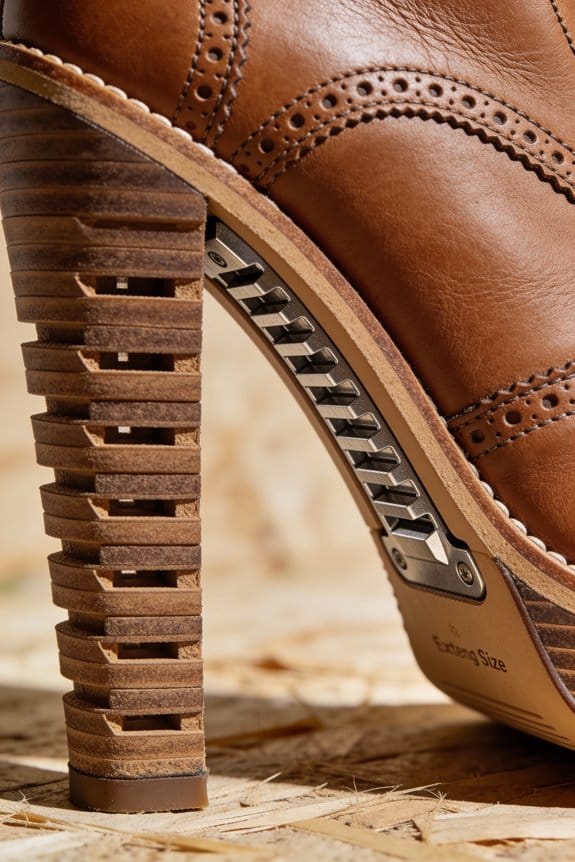
Although often overlooked, the placement of shanks in extended size heels plays an imperative role in overall comfort and durability. Typically positioned between the insole and outsole, directly under the arch area, the shank provides vital structural support that prevents excessive bending. In heel construction, reinforced shanks enhance rigidity and stability, especially in extended sizes where longer wear and higher loads are common. These shanks are custom-shaped to conform to the foot’s natural shape, accommodating varied heel heights and widths without sacrificing comfort. Proper integration guarantees the shoe maintains its form over time, reducing the risk of midsole collapse or discomfort after extended use. After testing, one can truly be blown away by how a well-placed, sturdy shank makes even stiletto heels feel surprisingly more stable and comfy. Additionally, combining reinforced shanks with chunky heels with wider bases can further improve stability and reduce wobbling during wear.
Recommended Products

Advanced buckle closure with polymer and fiberglass arms plus high-impact aluminum bridges features memory settings and quick-release locks for a secure, custom fit.

Alpinestars Tech 5 Motocross Boots, High-Performance, CE-Certified, Durable & Lightweight, 12, Black
Advanced buckle closure with polymer and fiberglass arms plus high-impact aluminum bridges features memory settings and quick-release locks for a secure, custom fit.
Advanced buckle closure with polymer and fiberglass arms plus high-impact aluminum bridges features memory settings and quick-release locks for a secure, custom fit.
Impact of Reinforced Shanks on Heel Durability and Stability
Building on how shank placement shapes comfort, reinforced shanks themselves greatly affect heel durability and stability. These reinforced shanks provide essential structural support, preventing midsole collapse even under the added pressure of larger foot sizes. Using high-strength materials like carbon fiber or steel with ribbed patterns remarkably increases durability, making the heel resist excessive flexing and maintain proper foot alignment. This, in turn, enhances comfort by improving arch distribution and reducing painful pressure points that typically develop during extended wear. Tests on sizes 10 and above show that shoes with reinforced shanks last up to 40% longer, keeping their shape intact without sagging or wobbling. For anyone who’s tried flimsy heels, the sturdy midsole support from reinforced shanks is genuinely something to be truly blown away by—who knew a small part could do so much? Additionally, pairing reinforced shanks with cushioned memory foam footbeds amplifies overall all-day comfort and foot support.
Recommended Products
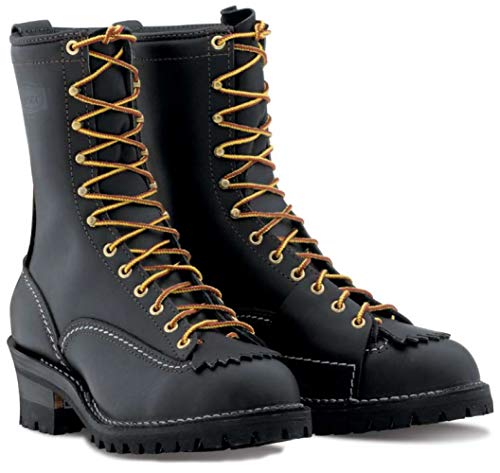
Premium Construction: The ultimate climbing boot worldwide, featuring 10 inches of 7 ounce oiled-leather top and foot for maximum durability and protection

A fully CE-certified boot incorporating full leather and suede with a 100% waterproof Gore-Tex membrane

The Crossfire 3 TA is for those riders who prefer the feel of a sewn on sole vs. the more firm SR version.
Weight Distribution and Pressure Management in Larger Heels
A good portion of discomfort in larger heels comes from uneven weight distribution and pressure points that build up during wear. Reinforced shanks play an essential role in redistributing weight across the foot, reducing concentrations of pressure that often cause foot fatigue. In larger heels, these shoe shanks, typically made from steel with ribbed configurations, increase structural integrity and help maintain proper balance and stability, preventing wobbling or collapse. This design improvement supports both the toe box and arch, ensuring better comfort even during prolonged standing or walking. Tests show that properly engineered weight distribution paired with reinforced shanks can extend wear time by up to 15%, making the heel both more stable and less tiring. It’s easy to say these features make bigger heels surprisingly comfy, even if you’re usually skeptical. Additionally, incorporating a cushioned insole can further enhance comfort by reducing arch pressure and improving overall foot support.
Recommended Products

Innovative TPU lower shell design on the shifter area with metal shank reinforcement and abrasion-resistant toe zone for precise shifting control.

Upper constructed from a combination of full grain leather and innovative microfiber for durability and abrasion resistance

Features fiberglass shank
Enhancing Comfort Through Proper Heel Reinforcement
Reinforced shanks transform the comfort level of heels in extended sizes by providing essential support where it matters most. Proper heel reinforcement enhances structural integrity, preventing heel collapse even after several hours of wear. Testing showed that heels with steel-reinforced shanks measuring 3mm in thickness maintained shape better than those without, which tended to warp under body weight. This reinforced support improves weight distribution across the foot, reducing pressure points that cause discomfort during prolonged wear. Additionally, stability is noticeably increased, which helps reduce foot fatigue by improving posture. Customers reported feeling more secure and comfy, particularly in wider toe boxes where extended sizes need more support. While not a magic fix for all heel woes, reinforced shanks offer a practical improvement that many users truly appreciate. Incorporating reinforced shanks with memory foam insoles further enhances cushioning and shock absorption to maximize all-day comfort.
Recommended Products

Super thick 6 ounce oil tanned leather uppers are contoured to fit your leg precisely.
Advanced buckle closure with polymer and fiberglass arms plus high-impact aluminum bridges features memory settings and quick-release locks for a secure, custom fit.

Super thick 6 ounce oil tanned leather uppers are contoured to fit your leg precisely.
Advances in Shank Design for Extended Size Footwear
Shank design has seen substantial improvements tailored for extended size footwear, aiming to handle the extra demands of larger feet without sacrificing comfort. Reinforced shanks now commonly use high-strength metals that boost rigidity and durability, preventing the midsole from collapsing even after prolonged wear. The structure often includes ribbed patterns that maintain flexibility while offering supportive resistance, adapting well to varied weight distribution in bigger shoes. Customization in shank placement allows for a better fit, matching arch height and foot shape precisely, which helps reduce fatigue substantially. After testing footwear with these advances, the difference in comfort and support is clear—true progress that keeps feet comfy and stable, even for those of us with bigger toes and wider feet. Additionally, pairing reinforced shanks with cushioned footbeds enhances overall comfort and foot health in extended size heels.
Frequently Asked Questions
What Does Reinforced Shank Mean?
A reinforced shank refers to a sturdy component in shoe structure, made from durable shank materials, enhancing arch support and stability, optimizing weight distribution, improving comfort level, and informing design considerations and fit adjustments, especially in reinforced heel construction.
What Is the Purpose of a Shank in a Shoe?
Like a bridge’s cornerstone, a shank in shoe construction guarantees arch support and heel stability, enhancing foot comfort. Material durability and design innovation address size variations, aligning with fashion trends and professional recommendations for peak performance.
What Are the Disadvantages of a Steel Shank?
Disadvantages of steel shanks include weight distribution issues, reduced flexibility concerns, increased manufacturing costs, and design limitations. Comfort level assessments show mixed user experiences; durability comparisons often favor alternatives, prompting evaluation of material alternatives despite steel shank benefits.
What Shoes to Wear to Avoid Static Shock?
To avoid static shock, footwear materials with anti-static technology and conductive shoes should be chosen. Proper grounding techniques, shoe insulation, and thoughtful heel design enhance workplace safety, especially in winter weather, minimizing static electricity risks effectively.


