As an Amazon Associate, we earn from qualifying purchases. Some links on this site are affiliate links at no extra cost to you. Our recommendations are based on thorough research and editorial judgment.


Surviving the 9-to-5: Ergonomic Tips for Wearing Heels All Day

Wearing heels all day calls for 2-3 inch block heels made from breathable leather, which balance style and comfort while improving stability. Testing shows cushioned insoles and baby powder inside shoes keep feet dry, reducing blisters and discomfort. Preparing heels by stretching with wet socks prevents pinching, while regular foot hydration wards off cracking. Switching heel heights occasionally and elevating feet during short breaks eases swelling. The following tips will reveal additional ergonomic strategies to make long wear truly manageable.
Key Takeaways
- Choose medium-height block heels with cushioned insoles to balance style, support, and comfort during long work hours.
- Freeze or stretch new heels before wearing to prevent tightness and discomfort throughout the day.
- Apply baby powder inside shoes and adhesive tape between toes to reduce moisture, friction, and nerve pressure.
- Take short walking breaks every 30 minutes and avoid prolonged standing to minimize foot strain and swelling.
- Elevate feet and soak them in Epsom salt after work to relieve soreness and reduce swelling effectively.
Choosing the Right Heel Height and Style

When selecting heels, comfort begins with choosing the right height and style that match both the occasion and your personal needs. A medium heel height, around 2-3 inches, strikes a balance between looking sharp and feeling comfy, cutting down foot pain common with taller shoes. Block heels stand out for their stability and improved weight distribution, unlike narrow stilettos that demand more from your feet. Also, breathable materials like natural leather make a huge difference—they flex nicely and keep feet cooler during long wear. Platform shoes deserve a shout-out too, as they ease the foot angle, lessening discomfort. Finally, regularly measuring your foot size is smart; changes due to weight shifts or pregnancy affect fit, which directly impacts heel comfort and overall wearability. Considering the arch support in your heels can further reduce fatigue and improve all-day comfort.
Recommended Products

1. Replaceable Shin Pads 2. Micro adjustable and replaceable buckle system 3. Adjustable calf system 4. Upper Dual Flex System Hyper Extension Block - Flex 5 System. Boot Leg 6. Anatomical heel cup 7. Replaceable Metatarsal Inserts 8. Toe Area
1. Replaceable Shin Pads 2. Micro adjustable and replaceable buckle system 3. Adjustable calf system 4. Upper Dual Flex System Hyper Extension Block - Flex 5 System. Boot Leg 6. Anatomical heel cup 7. Replaceable Metatarsal Inserts 8. Toe Area

EXTREME COLD-WEATHER INSULATION - The Mountain Extreme 1000 insulated hunting boots for men feature 1000-gram Thinsulate insulation and a Windtex waterproof breathable membrane that lock in warmth while blocking snow, slush, and icy moisture during late-season mountain hunts and alpine trekking
Preparing Your Heels Before Wearing

A handful of simple tricks can make all the difference when preparing heels for comfortable wear. For instance, placing high heels in the freezer for 30 minutes with a sealed water bag inside helps stretch the material just enough to reduce foot pain caused by tight shoes. Another method involves wearing wet cotton socks warmed in hot water to gently stretch the shoe’s interior, which makes breaking in high heels at home over a week more effective. This gradual approach avoids sharp discomfort while wearing them out. Applying baby powder beforehand also adds comfort by absorbing moisture and preventing slippery feet inside the shoe. Although blister treatment products are helpful afterward, preparing heels properly helps minimize the risk of blisters and makes the entire day noticeably more comfortable. Additionally, choosing heels with memory foam insoles can significantly enhance comfort during prolonged wear by providing superior cushioning and pressure relief.
Essential Foot Care Tips for Heel Wearers

Regularly caring for feet before and after wearing heels can make a noticeable difference in comfort levels throughout the day. Applying hydrating cream daily helps prevent cracking and swelling, keeping skin soft and healthy. To reduce discomfort, adhesive tape can be used to gently bind the third and fourth toes, easing nerve pressure that often causes pain during long hours. Baby powder sprinkled inside shoes absorbs sweat, minimizing slipperiness and blisters, making it easier to be comfortable in your new heels. Thorough foot care also involves addressing calluses promptly. While specially designed insoles provide additional support, focusing on these preventative steps beforehand guarantees feet stay comfy and resilient—even when heels are worn for extended periods. Incorporating shoes with cushioned footbeds can further reduce foot fatigue and enhance overall comfort during long wear. These simple routines can truly enhance overall heel-wearing experience without complex fixes.
Using Insoles and Cushioning for Comfort
Slip silicone-padded insoles into heels to instantly boost comfort during wear. These insoles, often made from soft silicone or cushy fabric, provide critical cushioning that eases foot pain, especially in high heels. By redistributing pressure from high-impact areas like the ball of the foot, they minimize aches during a long workday. Additionally, insoles help distribute weight more evenly across the entire foot, reducing fatigue and making all-day wear more doable. Stability also improves because the silicone texture prevents unwanted slippage inside the shoe, which can otherwise lead to blisters and discomfort from friction. Regular use of these cushioned insoles supports overall foot health and transforms high heels from a painful necessity into a more comfortable part of a modern wardrobe. Trusting them for long hours, one can be truly blown away by the difference. Choosing insoles with memory foam benefits can further enhance comfort by providing personalized support and shock absorption throughout the day.
Recommended Products
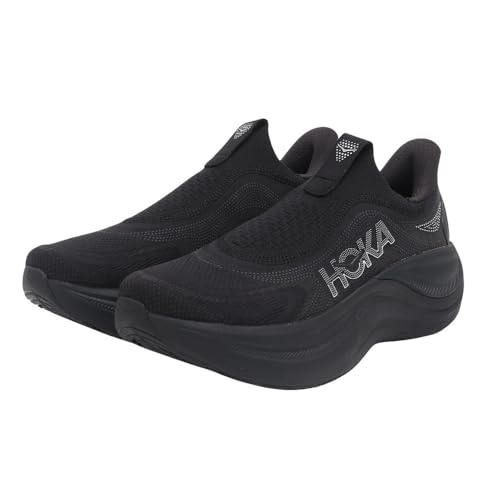
JACQUARD KNIT UPPER

Engineered mesh upper for superior breathability and easy stretch. Silicone cage molds comfortably to the shape of the foot.
Engineered mesh upper for superior breathability and easy stretch. Silicone cage molds comfortably to the shape of the foot.
Techniques to Prevent Blisters and Pain
Preventing blisters and pain while wearing heels starts with simple yet effective strategies that many people overlook. For instance, applying hydrating cream before slipping into high-heeled shoes helps keep skin supple and reduces cracking from friction. Another surprising tip involves taping the third and fourth toes together with adhesive bandages, which eases nerve pressure and curbs foot pain during long wear. Additionally, padded silicone inserts cushion high-pressure zones inside the toe box, making extended hours truly comfy. Double-sided tape on the sole keeps feet from sliding, further preventing blisters. For extra protection, users can fine-tune comfort by spraying blister prevention solution at friction spots. While these techniques demand a bit of prep, those who’ve tested them admit being truly blown away by the noticeable difference in foot comfort. Choosing block heels with cushioned memory foam footbeds can also significantly reduce foot fatigue during long wear.
Recommended Products

Helps reduce pain associated with foot conditions, including plantar fasciitis, heel spurs, fat pad atrophy, bursitis, and Achilles tendonitis; also helps reduce shock, vibration loads, and impact


Soft, blue center
Maintaining Foot Health During the Workday
After trying various blister and pain prevention tricks, the next challenge lies in maintaining overall foot health during a full workday spent in heels. Choosing shoes that fit well is essential; a properly sized pair with a roomy toe box can prevent unnecessary pain and reduce pressure. Good care includes regularly applying hydrating cream to the feet to avoid cracking and swelling—common issues when wearing high heels all day. Using special insoles designed for cushioning can ease stress on the ball of the foot, making heels more comfortable. Taking short breaks to stretch feet boosts circulation and fights fatigue, keeping pain at bay. Finally, keeping an emergency kit with adhesive bandages helps quickly prevent blisters, whether it’s a special occasion or a long workday. Selecting insoles with targeted arch support can significantly improve comfort and reduce foot fatigue during extended wear.
Ergonomic Practices to Support Foot Comfort
Ergonomic practices play a key role in supporting foot comfort when wearing heels all day, and using an adjustable footrest at the desk is surprisingly effective. It helps reduce pressure by accommodating heel height, promoting proper foot alignment and better posture. When choosing heels, selecting a special high heel shoe or boot with a wider toe box and a sturdy block heel or wedge can greatly improve stability and comfort. Additionally, taking them outside for brief moments during breaks encourages circulation. Regular foot stretches and applying hydrating cream throughout the day also contribute to the care of your feet, preventing soreness. Proper fit is essential; shoes that are too tight can cause pain and long-term issues. Combining these strategies offers a balanced, practical approach to enduring heels all day. Many comfortable low heels incorporate cushioned insoles to absorb impact and reduce foot fatigue during extended wear.
Recommended Products
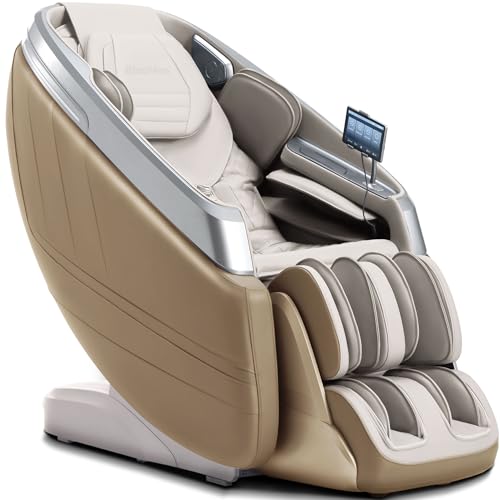
[𝗪𝗵𝘆 𝗖𝗵𝗼𝗼𝘀𝗲 𝗜𝗕𝗠-𝗣𝟬𝟯 𝟰𝗗 𝗠𝗮𝘀𝘀𝗮𝗴𝗲 𝗖𝗵𝗮𝗶𝗿?] Built around what matters: 4D massage mechanism that adapts to your body, electric leg rest with auto extension, leg rollers + kneading massagers for deep calf relief, and OTA updates that unlock new programs over time. A full-body massage chair that keeps getting better—and fits you perfectly from day one
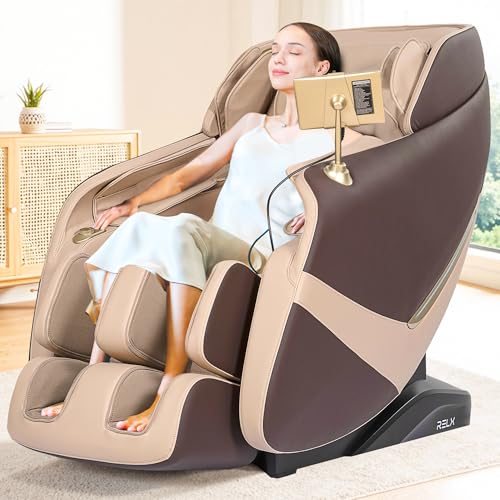
【Massage Chair Full Body】Experience deep relaxation with a full-body airbag massage at 𝟓 𝐢𝐧𝐭𝐞𝐧𝐬𝐢𝐭𝐲 𝐥𝐞𝐯𝐞𝐥𝐬. 𝐂𝐮𝐬𝐭𝐨𝐦𝐢𝐳𝐞 your massage by adjusting speed, width, and height while enjoying airbag compression, shiatsu, tapping, and kneading. The 𝐒𝐋-𝐓𝐫𝐚𝐜𝐤 𝐝𝐞𝐬𝐢𝐠𝐧 ensures comprehensive relief from hips to neck. Perfect for unwinding after work, relieving muscle tension post-workout, or indulging in a spa-like experience at home

【Extended 57" SL-Track 4D Massage Chair】Experience head-to-toe relaxation with our 4D massage chair. The zero gravity massage chair's extended 57" track delivers full-body massage coverage spanning 57" from neck to legs—approximately 10% longer than many standard SL-track chairs. The shiatsu massage chair's auto body scan system detects your unique contours and automatically adjusts the massage position and back width to perfectly fit the body’s curves, ensuring precise massage accuracy.
Managing Swelling and Discomfort Throughout the Day
Managing swelling and discomfort throughout a long day in heels demands a few smart adjustments that can make a noticeable difference. When choosing to wear high heels, it’s vital to avoid standing still for long periods; gentle walking every 30 minutes helps redistribute weight and reduce discomfort caused by swelling. Surprisingly, keeping the heels on during short breaks prevents the foot’s soft tissues from expanding, which leads to less pain when wearing high heels again. Additionally, using adhesive tape to bind the third and fourth toes together can ease nerve pressure and alleviate some of the swelling visible after hours. Whenever possible, elevating feet even for five minutes helps lower swelling further. Small tweaks like applying hydrating cream and baby powder keep the toe box comfy, truly helping anyone survive the 9-to-5 heel challenge. Choosing heels with cushioned insoles can also significantly improve comfort by reducing impact and cradling arches throughout the day.
Recommended Products

10″ of 7-ounce black oil tanned leather

TCX Blend 2 WP motorcycle boots are certified laced waterproof footwear made of full-grain leather with a T-DRY waterproof membrane and a vintage-effect pull-up finish.

Post-Work Foot Care and Recovery Strategies
Once the workday ends, attention naturally shifts to firm yet gentle foot care routines designed to soothe tired heels and toes. Post-work foot care is essential, focusing on comfort and reducing swelling after wearing heels all day. Elevating feet for 15 to 20 minutes helps minimize swelling, while Epsom salt foot soaks, mixed with about half a cup of salts in warm water for 20 minutes, effectively reduce soreness. Incorporating calf stretches and toe splaying eases muscle tension, promoting recovery. Maintaining proper foot hygiene, including thorough cleansing and drying, prevents fungal infections and keeps skin healthy. Using a cold PediRoller for self-massage relieves aches and enhances circulation. Choosing heels with adjustable straps can significantly improve comfort and support during prolonged wear, aiding in foot recovery after a long day. These recovery strategies combine practical steps that anyone struggling with heels can easily follow to guarantee happy, healthy feet after a 9-to-5 grind.
Frequently Asked Questions
How to Survive Wearing Heels All Day?
To survive wearing heels all day, one must guarantee appropriate heel height and shoe fit, prioritize cushioning options, consider the toe box and foot arch, relieve pressure points, perform foot exercises, and allow a proper break-in period.
How Do I Stop My Heels From Hurting When I Stand All Day?
Heel pain can decrease by using heel padding and arch support, selecting appropriate shoes, practicing foot exercises, and employing proper walking techniques. Pain relief improves with posture adjustment, while considering heel alternatives guarantees comfort throughout standing periods.
Why Does Gen Z Not Wear Heels?
Gen Z largely rejects heels due to fashion preferences emphasizing comfort over style, workplace attire favoring practicality, and the rise of sneaker culture. Their commitment to body positivity, fashion inclusivity, and alternative footwear shapes this shift.
How to Wear Heels for 12 Hours?
When walking a mile in heels for 12 hours, prioritize heel height under two inches, foot support, arch alignment, and cushion pads. Break-in techniques, quality material choice, style versatility, and heel alternatives guarantee comfort without sacrificing elegance.


