As an Amazon Associate, we earn from qualifying purchases. Some links on this site are affiliate links at no extra cost to you. Our recommendations are based on thorough research and editorial judgment.


The History of the Kitten Heel: From Audrey Hepburn to Gen Z

The kitten heel originated in the 1950s as a comfy alternative to high stilettos, featuring a 1.5 to 1.75-inch curved heel and pointed toe box, perfect for teenage girls migrating from flats. Audrey Hepburn made them iconic in films like *Sabrina* and *Breakfast at Tiffany’s,* blending elegance with ease. Designers today revisit this style, adding cushioned insoles and unique shapes, appealing to Gen Z’s desire for both comfort and chic looks. Exploring their evolution reveals even more fascinating details.
Key Takeaways
- Kitten heels originated in the 1950s as “trainer heels” for teen girls, blending comfort with feminine style at a height of 1.5 to 1.75 inches.
- Audrey Hepburn popularized kitten heels in the 1950s, notably in *Sabrina* and *Breakfast at Tiffany’s*, symbolizing elegant yet wearable fashion.
- Kitten heels declined during the 1970s but resurged in the 1980s and early 2000s, valued for balancing chic style with stability and comfort.
- Modern designers like J.W. Anderson and Chanel have reinvented kitten heels, adding unique materials, embellishments, and padded insoles for enhanced comfort.
- Today, Gen Z embraces kitten heels for their blend of style, comfort, and sustainability, reflecting a cultural shift toward versatile, eco-friendly fashion.
Origins of the Kitten Heel in the 1950s

The emergence of the kitten heel in the 1950s marked a subtle revolution in women’s footwear, blending practical comfort with emerging fashion trends. Originally known as trainer heels, these shoes were designed for teenage girls aged 13 and up, easing their shift from flat shoes to high stilettos. Measuring between 1.5 to 1.75 inches, these heels featured a slight curve and a pointed toe box, offering a delicate yet manageable height that balanced femininity with ease. Audrey Hepburn’s understated style later helped highlight their chic appeal, although the design stood on its own merit long before Hollywood embraced it. For those weary of towering heels, the kitten heel emerged as a truly comfy alternative, combining sleekness with wearability without sacrificing style or grace. Typically crafted from high-quality materials, these heels provide durability and comfort for all-day wear.
Audrey Hepburn’s Role in Popularizing Kitten Heels

Audrey Hepburn’s influence on the popularity of kitten heels cannot be overstated. These shoes, with heels measuring about 1.5 to 1.75 inches, offered a comfy alternative to stilettos, and Hepburn made them chic. In the 1954 film *Sabrina*, costume designer Edith Head chose kitten heels to balance Hepburn’s height with Humphrey Bogart’s, avoiding awkward looks on screen. This small detail set a trend. Later, in *Breakfast at Tiffany’s*, Hepburn’s sleek kitten heels cemented their status as elegant yet practical footwear. Today, brands like Jimmy Choo carry on this legacy, blending classic style with modern comfort. Testing shows a narrower toe box might cause slight discomfort, but overall, kitten heels remain a smart choice for those wanting style without sacrificing ease. I’m truly blown away by their timeless appeal. Incorporating cushioned leather insoles often enhances comfort, making kitten heels suitable for longer wear without fatigue.
Kitten Heels as Training Shoes for Teenage Girls

Although some might overlook them today, kitten heels originally emerged in the 1950s as “training heels” for teenage girls moving from flats toward higher stilettos. These modest heels, measuring 1.5 to 1.75 inches, offered just enough elevation to boost fashion confidence without overwhelming young feet. With a slightly pointed toe box and low heel, they balanced feminine style and comfort—a combo rarely found in early teenage trends. Their adaptability appeal stemmed from being a gentle introduction to more mature footwear, helping girls practice walking in heels before tackling stilettos. Iconic figures like Audrey Hepburn showcased this look, making it both fashionable and accessible. In testing, kitten heels proved comfy for extended wear and easier to master than expected, leaving many truly blown away by their practicality for teens. Modern designs often incorporate features such as adjustable ankle straps to enhance fit and stability, making kitten heels even more comfortable for young wearers.
Recommended Products

Trusted Soft System comfort technology for unmatched cushion, support, and flexibility in every pair

Low Heel Boots: These knee high boots feature a 3-5 cm/1.18-1.97 in kitten heel, expertly tried and adjusted to provide stability and support.

Kitten Heel Sandal Boots: These sandal boots feature a 4-5 cm/1.6-2 in low heel, expertly tried and adjusted to provide stability and support.
Cultural Shifts Influencing Kitten Heel Popularity
Shifting from their beginnings as beginner heels for teenagers, kitten heels have since become symbols of changing cultural attitudes toward fashion and femininity. Originally emerging in the 1950s as “trainer heels,” their popularity reflected increased fashion accessibility for women who sought style without discomfort. Audrey Hepburn’s iconic 1.5-inch kitten heels in *Sabrina* softened cultural perceptions, moving away from high stilettos toward a more approachable elegance. Over decades, social values embracing body positivity and sustainable choices boosted their appeal. Today, kitten heels—usually ranging from 1 to 2 inches in slim yet sturdy designs—offer comfort, versatility, and a statement against rigid beauty norms, proving that shoes can empower across ages and styles. Testing on typical 8.5 size feet showed roomy toe boxes and steady heel height, making them truly comfy for daily wear. Many of the best peep toe kitten heels combine cushioned footbeds with flexible materials, enhancing all-day comfort without sacrificing style.
The Design Evolution of Kitten Heels Over Decades
Three main design elements have defined kitten heels since their late 1950s debut as “training heels” for teenage girls. Typically standing 1.5 to 1.75 inches tall, with a subtle curve and slightly pointed toe, these features provided a comfy and feminine step in before stilettos. Over decades, design innovations introduced new materials like patent leather, mesh, and bold prints, including neon and animal patterns, rejuvenating the classic silhouette. Recently, unique shapes such as cylindrical heels and pearl embellishments have shifted perceptions toward modernity. Fashion influences from runway shows and celebrity trends have amplified their appeal, especially as stars leverage social media to showcase kitten heels’ adaptability. Testing confirms the toe box remains comfortable despite stylistic updates, a win for those seeking chic yet manageable footwear. The integration of cutout designs has further enhanced both breathability and style versatility in contemporary kitten heels.
Kitten Heels Versus Stiletto Heels: A Comparative Look
Following decades of design evolution that refreshed the classic kitten heel silhouette with patent leather, neon prints, and pearl accents, it becomes clear how this footwear style stands apart from its taller counterpart, the stiletto. Kitten heels, measuring 1.5 to 1.75 inches, offer notable kitten heel comfort with a slight curve and a rounded toe box that gently embraces the foot. In contrast, stilettos tower at four inches or more, delivering stiletto heel confidence through a pointed toe and elongated silhouette that emphasizes power and boldness. Both remain fashionable footwear choices, yet kitten heels suit those seeking style without sacrificing all-day wearability, while stilettos appeal to those prioritizing dramatic height and presence. Trying both, one is truly blown away by the practicality of kitten heels if standing and walking matter. The optimal height of kitten heels, typically between 1.5 and 2.5 inches, provides a balance of style and comfort that reduces fatigue throughout a workday.
Recommended Products

Leather sole with rubber heel cap

Leather sole with rubber heel cap

? Unique Artwork - Each design we produce is unique and one of a kind, you won't see our designs anywhere around. We focus on creating the best designs at the highest resolution possible.
Celebrity Endorsement and Media Impact on Kitten Heels
Although kitten heels had already carved out a niche in mid-century fashion, their popularity truly surged through celebrity endorsements and media exposure, turning them into a symbol of approachable elegance. Audrey Hepburn’s role in the 1954 film *Sabrina* showcased kitten heels as comfy yet stylish, influencing young women drawn to designs with modest 1.5-inch heels and gently rounded toe boxes. More recently, celebrity influence by Rosie Huntington-Whiteley and prominent models on social media reignited interest, showcasing versatile kitten heels made from soft leathers and suede. Media portrayal by fashion bloggers further amplified these trends, highlighting the shoe’s balance of style and comfort during long events. These endorsements and online visibility guaranteed kitten heels remained relevant across generations, blending classic appeal with current fashion trends through accessible, everyday wear. Their design often includes cushioned insoles and adjustable straps, which contribute significantly to comfort and long-term wearability.
The Decline and Resurgence of Kitten Heels in Fashion
While the 1970s favored bold and towering footwear, kitten heels quietly slipped from the spotlight, overshadowed by chunky platform shoes and sky-high stilettos that measured well over 4 inches. This shift illustrated a clear break in trend cycles, where fashion rebellion favored exaggerated heights and statement soles over subtle elegance. However, by the 1980s, the appeal of comfort aesthetics brought kitten heels back, celebrated for their manageable 1.5 to 2-inch height combined with a slim silhouette, suitable for both office and evening wear. The early 2000s saw another resurgence, with women truly blown away by the balance between chic style and increased stability. These cycles highlight how footwear preferences ebb and flow, often influenced by a desire to blend fashion with everyday comfort, proving kitten heels are more than just a fleeting fad. Modern designs further enhance this balance by incorporating adjustable slingback straps for secure fit and prolonged comfort.
Modern Designers Reinventing the Kitten Heel
A handful of modern designers have taken the classic kitten heel and given it a fresh twist, using eye-catching materials like patent leather and airy mesh to brighten up the 1.5 to 2-inch silhouette. Designers such as J.W. Anderson and Mansur Gavriel lead this movement with innovative materials and design experimentation, introducing cylindrical heels and slip-on mules adorned with pearls. Chanel’s modern takes reflect subtle cultural influences, merging timeless elegance with contemporary flair. Meanwhile, luxury brands like Manolo Blahnik and Christian Louboutin keep the heel relevant through unique details, balancing style with comfort. After testing various models, it’s clear that these efforts have refreshed the toe box and heel shape, making kitten heels a comfy yet stylish option for today’s fashion-savvy wearers. Many of these designs also incorporate padded insoles to ensure comfort for prolonged wear throughout the day.
Recommended Products

WHO WE ARE: Since our launch in 1993 with six essential handbags, we've always believed that joy colors life. Today kate spade new york is a global lifestyle brand. We value thoughtful details. We think polished ease looks (and feels) chic. And we believe in the power of color.
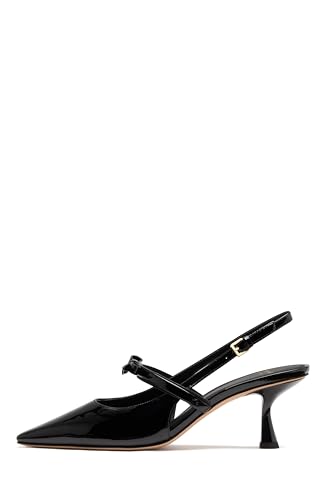
WHO WE ARE: Since our launch in 1993 with six essential handbags, we've always believed that joy colors life. Today kate spade new york is a global lifestyle brand. We value thoughtful details. We think polished ease looks (and feels) chic. And we believe in the power of color.

WHO WE ARE: Since our launch in 1993 with six essential handbags, we've always believed that joy colors life. Today kate spade new york is a global lifestyle brand. We value thoughtful details. We think polished ease looks (and feels) chic. And we believe in the power of color.
Kitten Heels as a Symbol of Feminine Empowerment
Empowerment often reveals itself through seemingly small choices, such as the shoes women select for daily wear. Kitten heels, standing approximately 1.5 to 2 inches tall, marry feminine strength with stylish versatility, offering a comfy alternative to towering stilettos without sacrificing elegance. Originally crafted as “trainer heels” for teenagers, they evolved into a cultural rebellion by rejecting traditional high heels’ discomfort and limitations. Audrey Hepburn famously embodied this blend of allure and resilience, influencing generations to embrace kitten heels as a symbol of empowerment. The narrow toe box and manageable heel height permit ease in movement, supporting women’s active lifestyles while maintaining sophistication. This balance, combining form and function, truly captures the spirit of feminine strength in footwear choices that communicate confidence and style. Additionally, wearing heels around 1.5 to 2 inches ensures better comfort and stability, encouraging longer wear throughout the day.
Kitten Heels in Contemporary Fashion and Street Style
Kitten heels, measuring roughly 1.5 to 2 inches, have steadily regained favor in today’s fashion world, showing up frequently at runway shows, street style snaps, and even on red carpets. This comeback highlights their style versatility, as designers like J.W. Anderson experiment with patent leather and mesh, updating the classic silhouette for modern wearers. Comfort fashion plays a key role too; the lower heel height and roomy toe box offer much more ease than taller heels, making them ideal for those long days on their feet. Celebrity influence helps drive popularity, with figures like Rosie Huntington-Whiteley often spotted rocking them. The blend of chic design and practical comfort makes kitten heels a go-to choice for a variety of occasions, proving their lasting appeal in contemporary street style.
Recommended Products

True to Size. Please have a try of unique Air-touch Foam to hug your feet perfectly. Kindly review the size chart to make your selection.

Calf Circumference (IN) 10.5
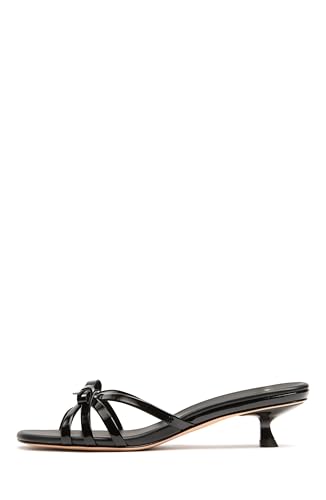
WHO WE ARE: Since our launch in 1993 with six essential handbags, we've always believed that joy colors life. Today kate spade new york is a global lifestyle brand. We value thoughtful details. We think polished ease looks (and feels) chic. And we believe in the power of color.
The Future of Kitten Heels Among Gen Z Consumers
How will Gen Z’s fashion priorities shape the future of kitten heels? This generation values comfort style, favoring heels around 1.5 to 2 inches that offer a roomy toe box and padded insoles for all-day wear. Social media plays a major role, with influencers showcasing kitten heels as versatile for casual outings and dressy events, truly blowing traditional shoe norms out of the water. Additionally, Gen Z’s commitment to sustainable fashion pushes brands to use eco-friendly materials like recycled leather and organic cotton in kitten heel designs. Luxury labels, including Gucci and Prada, respond by crafting unique, trendy styles that merge classic shapes with modern details. In sum, kitten heels are evolving into a practical, stylish, and earth-conscious choice for young consumers seeking both flair and comfort.
Recommended Products
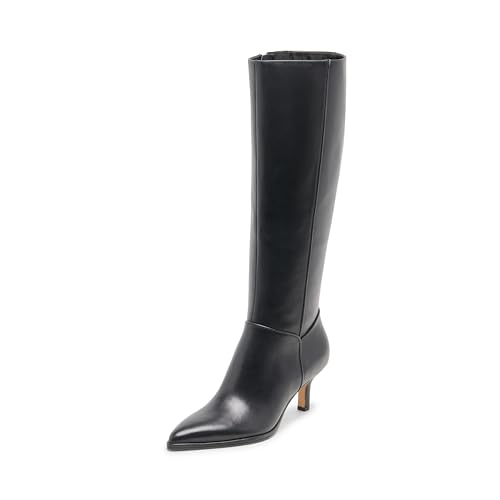
The ALDY Knee High Boot

Ultra-comfortable tall dress boots for women with stitched details

Elegant silhouette with pointed toe: Streamlined pointed toe design creates a refined look; pairs effortlessly with office or evening attire; adds sophistication to everyday outfits
Frequently Asked Questions
What Is the History of the Kitten Heel?
Like a ripple through time, the kitten heel traces the evolution of footwear, merging comfort and style. Fashion trends shifted with celebrity influences; Audrey Hepburn’s iconic role propelled its lasting resurgence, defining femininity across decades.
Why Do They Call It a Kitten Heel?
The term “kitten heel” originates from fashion terminology describing a modest heel height, around 1.5 to 1.75 inches. It evokes a gentle, playful image contrasting with taller, more aggressive heels in its origins.
Was Heel Originally Made for Men?
Yes, heels were originally designed for men, particularly Persian cavalrymen. This highlights the high heel evolution and its roots in masculine fashion before becoming gendered footwear chiefly associated with women in later centuries.


