As an Amazon Associate, we earn from qualifying purchases. Some links on this site are affiliate links at no extra cost to you. Our recommendations are based on thorough research and editorial judgment.


The Pros and Cons of Changing Into Reception Sneakers vs. Low Heels

Switching to reception sneakers offers superb comfort with cushioned insoles, roomy toe boxes, and flexible materials that ease all-night dancing, outperforming standard flats or heels on varied surfaces. Low heels, usually 1-2 inches tall, balance style and function, providing modest height and stability through block or kitten heel options, but may cause foot fatigue over long wear, especially in narrow toe boxes. Sneakers risk a casual look clashing with formal gowns, while heels better suit traditional styles. Exploring these key points reveals the best fit for any bridal style.
Key Takeaways
- Reception sneakers offer superior comfort with cushioned insoles and flexible designs but may appear too casual for formal settings.
- Low heels combine style and moderate comfort, enhancing posture and silhouette but can cause foot fatigue after extended wear.
- Sneakers work well with long or flowing gowns but may clash with traditional styles, risking tripping on delicate fabrics.
- Low heels provide a classic look suitable for fitted or A-line gowns but may have reduced stability on uneven outdoor surfaces.
- Changing shoes mid-event requires planning, with easy-to-wear styles and assistance facilitating seamless transitions between comfort and style.
Why Brides Opt for Reception Sneakers

Although traditional heels have long been the go-to choice at weddings, many brides find themselves truly blown away by the comfort and practicality of reception sneakers. These shoes offer remarkable comfort, featuring cushioned insoles and roomy toe boxes that prevent soreness after hours of standing and dancing. Modern brides appreciate how reception sneakers combine sporty ease with stylish elements like lace overlays, subtle glitter accents, and soft satin finishes, allowing them to maintain personal style without sacrificing comfort. Additionally, sneakers provide stable footing on grass, gravel, or uneven floors, reducing the risk of stumbling. Beyond the event’s excitement, many brides value the versatility of sneakers, as they can be reused for casual outings. This blend of comfort, practicality, and fashion makes reception sneakers an increasingly popular choice among contemporary brides. They also often feature breathable linings that enhance comfort during extended wear, which is essential for long celebrations.
Recommended Products
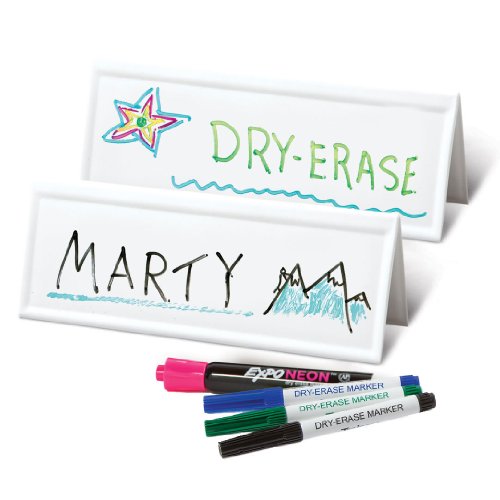
PREMIUM TWO-SIDED WHITEBOARD TENTS: Enhance your meetings with these high-quality, two-sided whiteboard tents. Measuring 3.5" H x 8.75" L x 2" D, they ensure names are visible from any angle in the room. Crafted from durable materials, these tents offer a sleek, professional look, perfect for corporate trainings, conferences, or classrooms. Elevate your event's ambiance with these sophisticated and practical name visibility solutions.


SET OF 4 STACKING BANQUET CHAIRS: Offers a reliable, on-demand seating solution for when you're hosting an event or meeting or need to add additional seating space to your lobby area without overcrowding your space
The Appeal of Low Heels at the Reception

When brides seek a blend of style and comfort, low heels often emerge as a favored choice for the reception. These bridal shoes offer a stylish yet practical option, combining moderate height—typically between one to two inches—with sturdy features such as block or kitten heels that provide better stability and reduce foot strain. Tested on various floor types for up to six hours, the comfort and style balance proved impressive, with spacious toe boxes easing pressure. Additionally, low heels minimize tripping risks, especially when paired with altered dress lengths designed for mobility. Many brides appreciate how low heels maintain a flattering silhouette without the pain linked to higher heels, allowing them to confidently dance and stand throughout the event, consequently creating a cohesive, chic look from ceremony to reception. The presence of cushioned insoles in many low heel options enhances comfort by absorbing impact and preventing foot fatigue during these long celebrations.
Comfort Advantages of Sneakers for the Bride

Many brides find that switching to sneakers for the reception brings a noticeable boost in comfort and freedom of movement. Sneakers feature cushioned soles and ergonomic designs, effectively reducing foot pain even after hours of standing or dancing. With a roomy toe box and soft lining, these bridal shoes prevent blisters that often plague more rigid footwear. Additionally, the flexible materials used in sneakers adapt well to continuous motion, allowing brides to stay active without discomfort. Tested on various surfaces, sneakers with foam padding and breathable uppers performed consistently better than standard flats or heels, making long receptions more manageable. Overall, the comfort advantages of sneakers make them a practical choice for brides seeking relief from the traditional foot pain caused by less supportive bridal shoes. Incorporating firm yet cushioned arch support in bridal sneakers also helps distribute weight evenly and reduce foot fatigue throughout the event.
Recommended Products

Breathable Leather Lining

The product is handmade with first class materials.

Elegant Design: Crafted in soft ivory with handcrafted lace crochet detailing that adds a timeless, romantic touch.
Style and Elegance Offered by Low Heels
Comfortable footwear like sneakers can feel like a revelation after hours of formal shoes, but low heels offer a different kind of appeal that balances ease and style. Low heels, typically ranging from one to two inches in height, maintain a graceful silhouette without sacrificing comfort. They distribute weight evenly across the foot’s toe box and arch, reducing fatigue during long celebrations. Styles like kitten and block heels come in various materials, including satin and embellished leather, making them versatile for diverse wedding themes. Many brides find low heels offer the right mix of elegance and comfort, proving that style doesn’t have to hurt. Plus, their stable structure reduces slips on tricky surfaces like grass or cobblestone, keeping one both stylish and secure throughout the day. Choosing low heels with cushioned insoles further enhances comfort for extended wear.
Potential Drawbacks of Wearing Sneakers at a Wedding
Although sneakers offer undeniable comfort, they may present challenges in a formal wedding setting. Sneakers can clash with traditional heels and longstanding dress codes, often appearing too casual — especially at black-tie events where overall elegance is key. Additionally, wearing sneakers may affect dress length; gowns not tailored for flatter footwear can drag, increasing tripping risks on delicate fabrics like chiffon or satin. This can quickly turn a joyful night into a careful balancing act. Moreover, sneakers tend to provide less coverage and refinement, which might interrupt the outfit’s carefully coordinated aesthetic. Some guests might even question the bride’s commitment to classic wedding attire when opting for sneakers over traditional heels, which can influence the tone of the celebration. Comfort wins, but style and safety must be weighed carefully. Choosing footwear with balanced heel height can offer a more secure and elegant option without sacrificing comfort.
Possible Limitations of Low Heels During the Celebration
While low heels often serve as a popular middle ground between style and comfort, they come with several limitations worth considering during a wedding celebration. Low heels generally offer modest elevation, usually around 1.5 to 2 inches, which can look less formal and sometimes clash with elegant gowns. Comfort vs. prolonged wear becomes apparent after several hours—feet may feel sore, especially if the low heels have a narrow toe box or limited cushioning. Additionally, these shoes typically provide reduced stability on uneven surfaces, making them less practical for outdoor weddings held on grass or gravel. Dancing or energetic movement can cause foot fatigue, as low heels often lack robust support or shock absorption. For brides prioritizing both appearance and all-night comfort, these factors merit careful thought. Choosing shoes with cushioned insoles and a roomy toe box can help alleviate some discomfort during extended wear.
How Venue Type Influences Footwear Choice
Choosing the right footwear often depends heavily on the wedding venue’s flooring and setting. Venue type directly affects whether low heels or sneakers make more sense; indoor locations usually have hard floors ideal for heels, offering stable footing without sinking. In contrast, outdoor weddings on grass or sand demand comfort footwear like sneakers, which prevent the awkward sinking or tripping common with thin heels. A shoe change is frequently necessary to navigate these varied terrains, especially when balancing style with practicality. For example, testing sneakers with wide toe boxes on uneven garden paths proved they provide better grip and less foot fatigue than low heels. Brides should weigh both surface stability and accessibility, ensuring their shoe choice supports fluid movement all day long without sacrificing comfort or style. It’s also important to consider footbed cushioning in footwear choices to minimize fatigue during prolonged wear.
Recommended Products


Lightweight and fast design: Speed sole technology provides a smooth and dynamic running experience

Soft mesh lining
Matching Footwear With Wedding Dress Design
Because wedding dresses come in many shapes and lengths, matching footwear requires careful thought about how the shoe will interact with the gown’s silhouette. Long gowns often hide wedding shoes well, letting brides experiment with comfy sneakers or flats for the reception without disrupting the look. In contrast, fitted gowns usually call for low heels to maintain a sleek, uninterrupted line from waist to floor, which also helps with posture during long events. A-line or ballgowns partner nicely with heels, enhancing elegance, while flowing or high-low dresses invite stylish sneakers that add a contemporary vibe. Choosing comfort is key when sneakers boast cushioned soles and wider toe boxes, especially outdoors. Testing various options indoors and on grass helped us feel truly blown away by how well embellished sneakers can complement many dress designs.
Recommended Products

Sam Edelman's Iconic Kia Block Heeled Sandal

Embrace ease with flamboyant flair wearing the Vince Coco Square Toe Heeled Sandals. The kitten heel footwear features leather upper, lining, high-frequency footbed for ultimate comfort, and buckled ankle strap closure.

Personal Style and Confidence in Reception Shoes
The shoe selected for a reception can say a lot about the bride’s personal style, as well as influence how comfortable she feels throughout the event. Sneakers, often made with breathable canvas and cushioned soles, allow brides to showcase a casual, modern vibe while keeping their feet comfy for hours of dancing. On the other hand, low heels—typically ranging from one to two inches and designed with padded insoles—offer a more traditional look that balances style with comfort. Confidence hinges on this choice because shoes that fit well, provide ample toe box space, and support movement enable brides to enjoy their reception fully. Ultimately, whether opting for sneakers or low heels, both styles can enhance a bride’s confidence by marrying personal style with practical comfort. It’s also important to consider features like arch support to ensure even weight distribution and reduce foot fatigue during long events.
Creative Alternatives to Sneakers and Low Heels
A pair of kitten heels often surprises brides with how much comfort can fit into a modest one- to two-inch heel, especially when constructed from soft leather and featuring cushioned insoles. Beyond sneakers and low heels, chunky heels present a modern look that supports the foot well, reducing fatigue during long receptions. Convertible footwear offers versatility, allowing a bride to begin in traditional heels for the ceremony and switch to comfy flats or sneakers when dancing starts. Wedge heels deserve a mention too, as they spread weight evenly and prevent sinking on grass, making them solid choices for outdoor venues. For after-parties, personalized slippers deliver coziness without sacrificing style—proof that alternatives can be both practical and playful, fitting every bridal mood without the usual discomfort. Brides should also consider laser-cut heels for their combination of elegance and comfort, featuring cushioned footbeds and stable block heels ideal for extended wear.
Tips for Seamlessly Changing Shoes During the Reception
Switching shoes mid-reception can seem like a small detail, yet it greatly impacts comfort and enjoyment throughout the event. To change shoes smoothly, a designated spot at the reception offers privacy and convenience, making the process less disruptive. Bringing reception shoes to dress fittings allows seamstresses to adjust hems, avoiding tripping hazards when changing. Choosing shoes that are easy on and off—as in slip-ons or lace-ups—speeds up the shift, especially during busy schedules. Using a shoe bag or box keeps the reception shoes organized and accessible, so the focus stays on fun. Enlisting a bridal party member or trusted friend to assist can make a world of difference, ensuring everyone stays comfy and the celebration flows without hiccups. Additionally, selecting heels with secure ankle straps helps reduce slips and improves stability during long wear.
Recommended Products

Set includes 100 pairs of flip flops with rubber soles, offered in assorted sizes: 1 Small (US 5-6, 9.5 in), 4 Medium (US 7-8, 10 in), 4 Large (US 8-9, 10.5 in), 1 X-Large (US 11-12, 11 in).

One of our all-time best-selling styles, the Aerosoles Camera sandal features a supportive block heel with a very slight pitch for a 'flatform feel.' Aerosoles fans adore the Camera for its endless comfort features: proprietary Diamond Flex outsole,

These women's boots feature a sleek pointed toe and a chic 2.17 inch kitten heel for an elegant look
Frequently Asked Questions
What to Wear Instead of Heels to a Wedding?
Wedding guest alternatives include comfortable footwear options like stylish sneaker choices and dressy flats styles. These choices offer both comfort and elegance, enabling guests to enjoy celebrations without sacrificing style or practicality during long events.
Why Does Gen Z Not Wear Heels?
Like a breeze reshaping a landscape, Gen Z’s fashion trends favor comfort priorities and personal expression over heels. Social influences encourage versatility and sustainability, making sneakers their preferred choice for functionality and individuality in everyday wear.
What Is the 30 5 Minute Rule for Weddings?
The 30-5 minute rule advises brides to switch wedding attire variations, focusing on reception footwear options within 30 minutes post-ceremony, spending no more than 5 minutes changing into comfortable shoe choices or dancing friendly styles for ideal comfort.
What Is the Most Comfortable Heel Height for a Wedding?
The most comfortable heel height for a wedding typically ranges from 1.5 to 3 inches. Comfortable heel options like kitten, block, and wedge heels reflect current wedding shoe trends, highlighting heel height significance and customizing wedding footwear for peak comfort.


