As an Amazon Associate, we earn from qualifying purchases. Some links on this site are affiliate links at no extra cost to you. Our recommendations are based on thorough research and editorial judgment.


Wedges vs. Platforms: Understanding the Difference in Fit and Feel

Wedges have a solid, triangular sole that slopes from low at the toe to over four inches at the heel, offering steady support and easier walking, especially with memory foam cushioning. Platforms, by contrast, lift the entire foot evenly 1.5 to 3 inches with a thick sole, easing arch pressure but sometimes feeling less stable due to bulkier heels. Both styles feature cushioned midsoles and roomy toe boxes, so comfort varies by preference and activity. Keep exploring to see which pairs best suit your lifestyle.
Key Takeaways
- Wedge shoes have a solid sole that slopes from heel to toe, providing stable elevation and natural walking motion.
- Platform shoes raise the entire foot evenly with a thick sole, reducing arch pressure but sometimes feeling less stable.
- Wedges distribute body weight evenly, enhancing balance, while platforms offer height with potentially less structured support.
- Memory foam in wedges improves comfort and shock absorption; platforms often feature cushioned midsoles for added softness.
- Personal comfort varies; wedges suit active wear with stability, whereas platforms are ideal for bold, height-enhancing style moments.
What Defines Wedge Shoes?

Wedge shoes are defined primarily by their unique sole design. Unlike separate stacked heels, wedge shoes feature a solid sole that runs continuously from toe to heel, creating a triangular wedge shape. This design offers a unique elevation—usually higher at the heel than the toe—providing better walking ease and stability than typical heels. Wedge heels can range from gentle inclines around 1 inch to steep slopes exceeding 4 inches, catering to various comfort preferences. When tested on hardwood floors and carpet, the solid sole’s consistent support truly made a difference in balance and posture. Though sometimes feeling bulky, the roomy toe box and steady base gave a surprisingly comfy fit. Overall, wedge shoes blend style and function more effectively than conventional heels do. Incorporating memory foam benefits in wedge designs can further enhance comfort by providing personalized support and shock absorption.
Recommended Products

The Noemie grounds mini dresses and skinny denim with effortless cool. Rendered from supple suede in a sultry over-the-knee style, it takes styling cues from riding boots and comes complete with a stacked wedge heel and flattering pointed toe.

Genuine python leather and bovine leather

Leather sole with rubber heel cap
Characteristics of Platform Shoes

Although platform shoes share the goal of adding height, their design differs considerably from other elevated footwear because of the thick sole that raises the entire foot evenly off the ground. Unlike wedge shoes, which slope from heel to toe, platforms have thick soles—often between 1.5 to 3 inches—that provide extra height with a flatter footbed. This even sole reduces arch pressure, which some find a relief compared to wedge designs. Platform styles vary widely, combining chunky, stiletto, or even wedge heels atop the consistent thick base, offering both versatility and unique looks. Testers were truly blown away by the comfort stemming from a broader toe box and cushioned midsoles, making platforms a compelling option for those seeking height without sacrificing comfort. Additionally, proper arch support importance can enhance the overall wearability of these shoes by reducing foot fatigue and providing stability.
Recommended Products
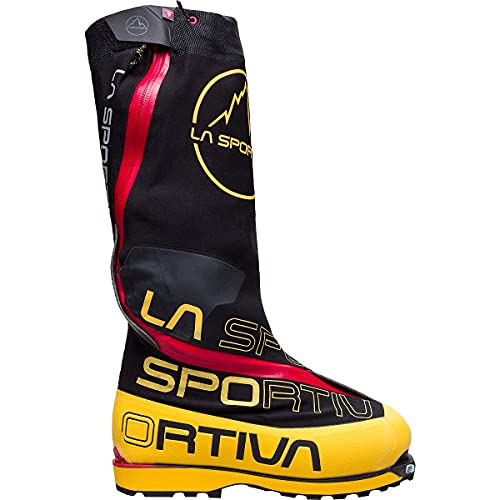
Upper Material: Stretch Cordura, high-tenacity nylon

EU Size: 44 – US Size: 11.5 Women/10.5 Men | Tech on the Mountain | A technically advanced mountaineering boot built for mixed and ice climbing.

Comfort and Support Comparison

When comparing comfort and support, the choice between these two shoe styles often comes down to how weight is distributed and how stable the wearer feels while walking. Wedges excel in comfort by evenly spreading body weight across the foot, reducing pressure on tight spots, and their solid heel provides notable stability. This design also promotes a more natural walking motion. On the other hand, platform sandals feature a thick sole that lifts the foot evenly, causing minimal arch strain, which some find comfy, though they can feel less stable due to the higher, less structured heel area. Ultimately, personal comfort plays a big role; trying both on is key. Whether preferring wedges’ steady feel or platforms’ unique support, everyone’s walking style—or toe box preference—shapes the ideal fit and comfort experience. Choosing wedge heels with contoured footbeds can further enhance support and reduce foot fatigue.
Recommended Products


Versatile Design: The Joan Now Lace Boot combines an elevated design with a heel pull tab and D-ring, making it the go-to women's shoe for any occasion in the fall or winter

Leather sole with rubber heel cap
Styling Tips for Wedges and Platforms
Because height and comfort matter equally, styling wedges and platforms requires a careful balance between form and function. Wedge sandals pair beautifully with sundresses, bodycon dresses, and flowing maxi skirts, offering extra height and solid stability for all-day wear. Platform sandals, by contrast, suit bold outfits like wide-leg trousers or statement dresses, granting height without stressing the arch. For casual outings, strappy wedges complement denim shorts or rompers, while chunky platform sandals upgrade laid-back looks effortlessly. Color coordination is vital—neutral-toned wedges can match nearly everything, whereas vibrant platform sandals make a striking statement piece. Avoid capri pants, which disrupt the silhouette; instead, choose flared jeans or tailored shorts for a polished effect. These styling tips guarantee that wedges and platform footwear meet both comfort and visual appeal. Selecting a wedge with a 2 to 3-inch heel height ensures a perfect balance of polish and stability for long periods of wear.
Recommended Products

Round-toe T-strap platform wedge sandals with zipper closure.

The FLY LONDON® YAJI888FLY sandal will have your spring-look soaring to new fashion heights!

A limited edition Z Strap sandal from Spain with a soft cotton multicolored weave and leather trim
Choosing the Right Style for Your Lifestyle
Why choose between wedges and platforms when lifestyle needs differ so much? Wedge sandals offer extra comfort and stability, making them ideal for active lifestyles that require long hours of standing or walking. Their solid heel spreads weight evenly across the foot, supporting both the arch and toe box, which many testers found truly comfy during errands. In contrast, platform sandals provide a dramatic height boost with thick soles measuring around two inches or more, perfect for those prioritizing visual appeal at parties or fashion events. However, platforms may sacrifice some ease of movement and comfort due to their bulkier design. Ultimately, individuals seeking steady support and all-day wearability should lean toward wedge sandals, while those craving a bold style statement might pick platform sandals. Either way, determining lifestyle needs is key. Additionally, wedges often incorporate cushioned footbeds to enhance shock absorption and long-term comfort during extended wear.
Recommended Products

Leather Upper

The Samara features the Finn Comfort Soft footbed which provides a cloud-like feel.Even with sensitive feet, you can walk around and enjoy your day in carefree comfort. Numerous unique features allow perfect foot support without any pressure whatsoev
Frequently Asked Questions
What’s the Difference Between Platforms and Wedges?
Like a sculpted cliff versus a leveled plateau, wedge styles offer height variation and ankle support through a solid heel, while platform designs focus on balancing techniques with uniform sole thickness, impacting comfort levels distinctly.
Are Wedge Heels Out of Style in 2026?
Wedge heel trends remain strong in 2026, supported by fashion predictions highlighting summer styles. Celebrity endorsements boost appeal, while comfort factors and versatility options guarantee wedges stay fashionable and practical across various occasions.
Are Platforms Better for Your Feet Than Heels?
Studies reveal platforms reduce joint impact by 30% compared to heels. In comfort comparison, platforms offer better foot support, improved arch alignment, moderate heel height, and greater style versatility, making them a healthier choice for prolonged wear.
Are Platform Wedges Hard to Walk In?
Platform wedges generally offer good walking comfort due to enhanced sole cushioning and better ankle support. Height variation may challenge initial balance, but surface stability reduces foot fatigue, making them easier to walk in over time compared to standard heels.


