As an Amazon Associate, we earn from qualifying purchases. Some links on this site are affiliate links at no extra cost to you. Our recommendations are based on thorough research and editorial judgment.


Avoiding Blisters on a Night Out: Pre-Event Taping Strategies

Avoiding blisters on a night out starts with prepping clean, dry feet; washing with mild soap and alcohol wipes guarantees tape sticks well. Using kinesio tex or leukotape cut into 3-4 inch strips, apply gently over blister-prone areas without tightness, smoothing wrinkles for comfort and circulation. Pair this with snug, moisture-wicking socks and roomy shoes featuring a soft toe box for best results. These detailed steps can truly stop blisters before they start, and more tips follow for lasting foot comfort.
Key Takeaways
- Clean and dry feet thoroughly before taping to ensure maximum tape adhesion and longer wear during the night.
- Use tincture of benzoin or tape adherent to improve tape grip and prevent early peeling.
- Apply tape strips 3 to 4 inches long without tightness, smoothing out wrinkles to avoid hot spots and maintain circulation.
- Choose tape types like Kinesio Tex or Leukotape P for breathability and strong adhesion on high-friction areas.
- Focus taping on known blister-prone spots such as heels, toes, and ball of the foot before wearing shoes.
Choosing the Right Shoes for Comfort
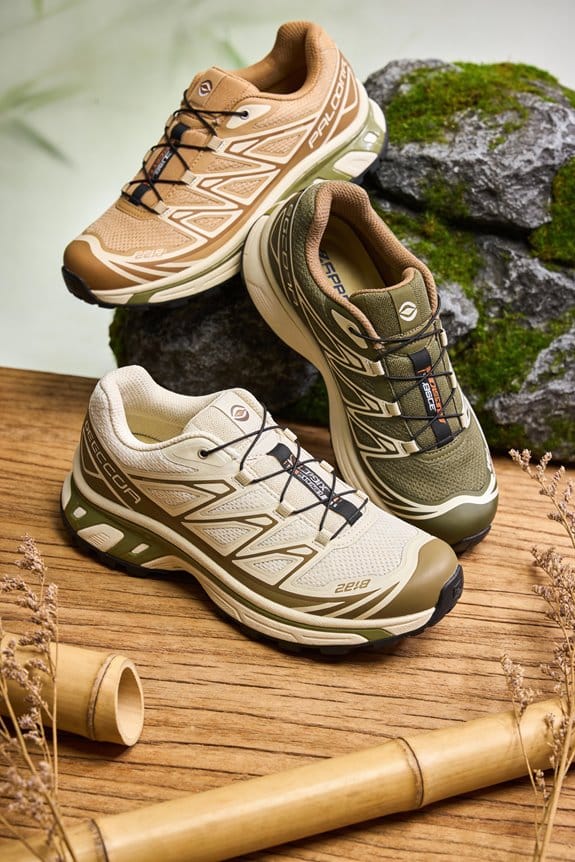
How does one truly avoid blisters on a night out? It starts with shoes that fit properly—this means leaving at least a finger’s width of space between toes and the shoe’s front to prevent rubbing. During testing, shoes with a roomy toe box and seamless interiors proved far better at preventing blisters, as they minimized friction against the skin’s delicate surfaces. Breaking shoes in gradually over short walks helps them mold to your feet, further reducing risk. Thick, comfy socks can fill small gaps and stop foot slippage, but beware of overly tight pairs that squeeze circulation and invite blisters. Consulting a Walking Shoe Guide is a smart move, too, as it offers personalized fitting tips based on foot shape and activity, making blister-free nights easier to achieve. Additionally, choosing footwear with memory foam insoles can provide cushioning and reduce friction, which helps prevent blisters before they start.
Recommended Products

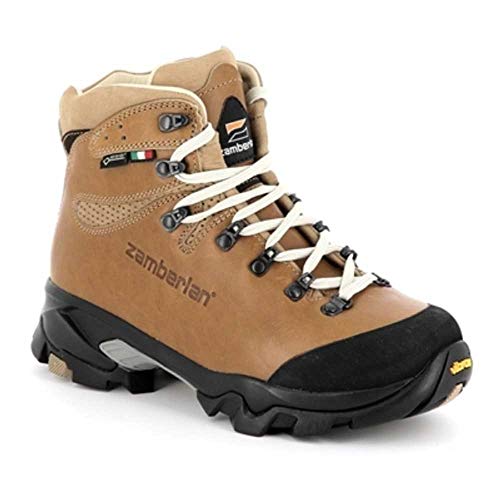
Rubber toe rands with PU coating boost boot durability and extend leather upper lifespan, particularly around the toe bump

ECCO rich two-tone yak leather, made in our own tanneries, offers a smooth, yet durable finish
Preparing Your Feet for Taping
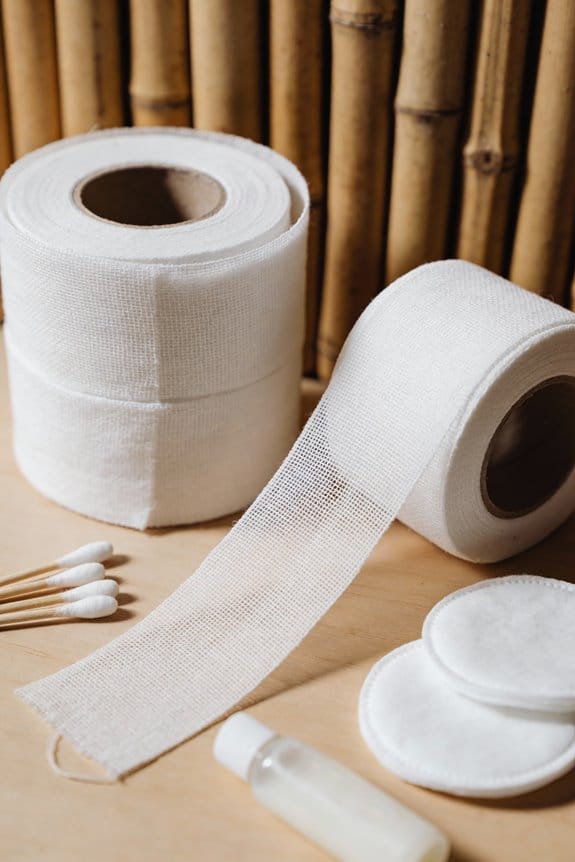
Finding the right shoes is only part of the battle against blisters on a night out; preparing the feet properly can make a big difference in how well tape works to protect vulnerable spots. First, feet must be cleaned thoroughly to remove oils, dust, or dirt—this step enhances tape adhesion considerably. Using alcohol wipes to dry the skin quickly removes any lingering lubricants that could reduce stickiness. Next, applying a tape adherent like tincture of benzoin to the specific spots, and letting it dry fully, guarantees the tape stays put. Importantly, tape should be applied without tightness to avoid cutting off circulation, which no one wants during a night out. Some testers have found pre-taping the night before helps the tape conform comfortably to their feet’s shape, boosting blister prevention. Choosing shoes with cushioned comfort also helps reduce friction points where blisters commonly form.
Best Types of Tape for Blister Prevention
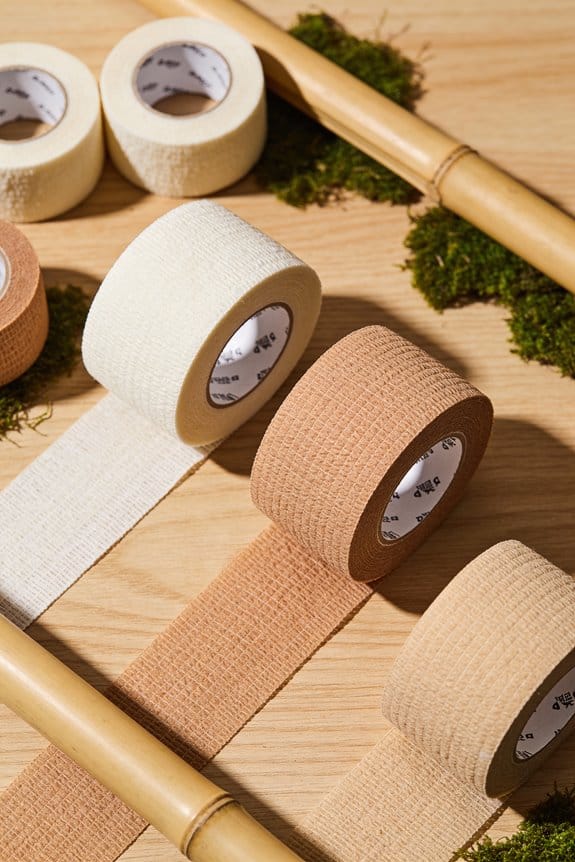
Several types of tape stand out for blister prevention, each with unique strengths suited to different foot areas and activities. Kinesio Tex Tape is a top pick because it’s elastic, breathable, and sticks well, making it comfy for hours while helping to treat blisters by reducing friction. Duct tape is tougher and less breathable but forms an excellent shield on high-friction zones, especially good for dance floors or long walks. Elastikon offers medium thickness and stretch, conforming nicely to foot curves, although it needs edging tape to stay put perfectly. Leukotape P grips firmly, ideal for heels and the bottom of feet where blisters often strike. Finally, EnduraFix tape feels soft and breathable, great for sensitive spots like toes or hot areas prone to rubbing. Choosing the right tape depends on your foot’s needs and planned activities. For optimal blister prevention, ensure your skin is clean and dry before applying tape to maximize adhesion and effectiveness.
Recommended Products

Engineered for Long-Lasting Comfort: High-density foam cushions retain their shape over time, while the ergonomic 15.74" backrest height and 27.55" seat depth provide full-body support. Upholstered in premium gray fabric for a soft yet durable feel.

TOUGHNESS AND DURABILITY: Our Men’s Freestone Stockingfoot Wading Pants are built for warm fishing days and wading environments where chest-high waders aren’t necessary. Made from our reliable and performance-driven Toray QuadraLam fabric with a 4 layer upper and lower, our Freestone Wading Pants include all of the durability and moisture-wicking breathability of our heavy duty chest waders and weigh approximately 33 oz.

1.Material: Fabrics I: 100% Nylon. Fabrics II: 80% Nylon 20% Spandex. Lining: 100% Polyester fiber. Filling:30g 90/10 duck down. Stretch lining super soft&comfortable,To create ultimate freedom of movement and the perfect fit.
How to Properly Clean and Dry Your Feet
Preparing feet properly before applying any tape can make a noticeable difference in blister prevention during a night out. First, clean your feet thoroughly using warm water and mild soap to remove oils, dirt, and dust that might prevent tape from sticking well. After washing, pat your feet completely dry with a clean towel because moisture can cause the tape to lift or peel off early. For extra certainty, wipe them down with alcohol swabs to speed drying and confirm the surface is perfectly prepped. It’s important to avoid any lotions or creams before you apply the tape, since slippery skin reduces adhesion and overall protection. Taking these simple steps sets the stage for tape to stick longer, keeping toes comfy and secure throughout the evening. Additionally, using breathable uppers can enhance comfort and help keep skin dry under taped areas.
Applying KT Blister Prevention Tape Effectively
Applying KT Blister Prevention tape effectively starts with cutting the tape into strips about 3 to 4 inches long, tailored to fit areas like heels and toes where friction tends to build. Applying the tape requires spotless, dry skin; any moisture will reduce adhesion and could cause pesky edges to peel. It’s important to smooth the tape flat, avoiding wrinkles that might lift or create uncomfortable hot spots during wear. This creates a comfy second skin, preventing blisters by reducing friction where shoes usually rub. After application, keeping the tape dry and checking its edges periodically will help it last through the night. When it’s time to remove the tape, doing so gently minimizes skin irritation and helps the feet recover quickly if any hot spots have developed. For optimal all-day comfort, pairing blister prevention tactics with padded footbeds can significantly reduce pressure and discomfort throughout prolonged wear.
Recommended Products


Water resistant during your sweaty workouts and swimming activities. For body parts needing pain relief and support during sports and physical activity

Jumbo roll for endless possibilities: Get the largest roll on the market—140 Strips, 2 inches wide x 10 inches long/strip—perfect for athletes, trainers, and everyday users. Never run out of tape when you need it most; great for multiple applications and long-term use.
Taping Techniques for Heels and Toes
Crafting the ideal tape layer for heels demands attention to detail and the right materials, such as Kinesio Tex or sturdy duct tape that shapes like a second skin without wrinkles or ridges. These taping techniques help shield blister-prone spots by creating a smooth, protective barrier. When moving to toes, wrapping 1-inch Kinesio Tex tape over the last two toe joints—including a slight overlap on toenails—prevents friction that often triggers blisters. For existing blisters, placing a thin tissue layer before taping avoids irritating sensitive skin, which is a comfort game-changer. Avoid excessive tape layers on toes to keep things comfy and allow circulation, but always check regularly during wear. This approach balances prevention and wearability, proving that taping techniques can genuinely reduce blister risks on a night out without turning feet into awkward, taped-up messes. Additionally, choosing heels with cushioned insoles can further minimize foot fatigue and reduce the chance of developing blisters.
Recommended Products

Kinesio Tex Gold FP kinesiology tape lifts the skin to create space between the skin & tissues

Kinesio Tex Gold FP kinesiology tape lifts the skin to create space between the skin & tissues
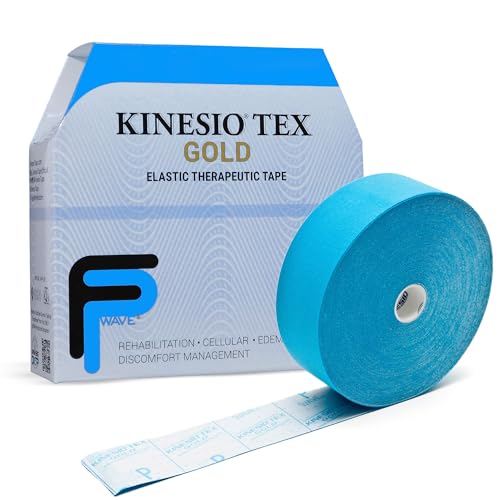
Kinesio Tex Gold FP kinesiology tape lifts the skin to create space between the skin & tissues
Using Lubricants to Minimize Friction
While some might underestimate how much difference a small dab of lubricant makes, testing several products on long evening outings truly shows their value. Lubricants such as petroleum jelly or specialized options like Body Glide create a slick barrier, reducing friction especially in high-risk spots like between toes or on the ball of the foot. Applying about a pea-sized amount per friction point guarantees smooth contact, preventing skin irritation and blisters. Reapplying after activities like dancing maintains protection when sweat starts to build. Results vary by body chemistry and shoe type, so trying different lubricants days before an event is wise. After testing, the wearer might be truly blown away by how lubricants transform a night out from painful to comfortably blister-free, without sacrificing movement or style. For enhanced comfort during extended wear, combining lubricants with formal heels that have breathable insoles can significantly reduce moisture and friction inside the shoe.
Selecting the Ideal Socks for a Night Out
Even if lubricants create a slick barrier, the choice of socks still plays a critical role in preventing blisters on a night out. Synthetic socks made from acrylic or Coolmax stood out during testing, as they wick moisture away, reducing the chances of blisters far better than cotton. Double-layer socks designed to minimize friction between layers also proved effective during hours of walking and standing, which was truly blown away. It’s essential to pick socks with a snug fit to avoid bunching or slipping inside the shoe’s toe box, as these movements directly cause blisters. Experimenting with sock thickness helps, because thicker socks provide cushioning while thinner ones improve breathability. Changing into fresh, dry socks during the evening can make a noticeable difference in comfort and blister prevention, despite this sounding like a hassle. Additionally, pairing the right socks with block heel designs can enhance overall foot comfort by providing stable support and reducing friction.
Recommended Products

Mixed-media hiking boot featuring speed lacing hardware and padded tongue and collar

Upper: Tall height, nylon upper for wind-resistant protection with nylon locking snow collar to protect from the elements. Side-to-side lace fastening system with drawstring and toggle. Slip-on style for ease of entry.

Managing Moisture to Keep Feet Dry
Moisture control goes hand in hand with selecting the right socks, and one of the most helpful tools tested in a busy nightclub environment was foot powder. Applying a light dusting of talcum powder after slipping on synthetic, moisture-wicking socks like Coolmax or acrylic helped absorb sweat, keeping skin dry and minimizing friction in tight toe boxes. Additionally, heavy-duty foot antiperspirants were surprisingly effective at reducing moisture buildup during hours spent on crowded dance floors. It’s also essential to change socks if they get damp to maintain dryness and comfort. Regularly checking the skin for signs of moisture and reapplying powder as needed was part of the routine, which truly helped keep feet comfy throughout the night and prevented blisters before they even started forming. Choosing footwear with breathable materials like leather or mesh can further enhance moisture management by promoting airflow and reducing sweat accumulation.
Alternative Remedies for Blister Prevention
Several alternative remedies provide effective protection against blisters, especially during long nights spent on feet. A piece of duct tape applied to the ball of the foot forms a durable shield that can reduce friction considerably, which impressed testers during a three-hour dance session. In addition, traditional methods like regular tea soaks help toughen skin over days, minimizing blister formation when consistently used. Lubricants such as petroleum jelly cut down friction but sometimes stain socks, so thicker ointments like A&D offer a less messy option. Meanwhile, specialized products like Body Glide are designed to reduce friction effectively, though personal trials are essential to find the best fit. Non-adhesive bandages made from layered duct tape offer breathability while protecting sensitive spots, striking a balance between comfort and durability. Incorporating evening stilettos with lightly padded insoles can also help reduce overall foot discomfort and blister risk during extended wear.
Monitoring and Maintaining Foot Comfort Throughout the Event
The protection offered by duct tape and lubricants was impressive during extended wear, but foot comfort doesn’t stop at preparation. Regularly checking for tightness or discomfort, especially around any sensitive area, helps to prevent skin irritation before it becomes a blister. Keeping feet dry is essential; reapplying talcum powder during the night minimizes moisture buildup, which often causes blisters. Monitoring circulation by noticing numbness or tingling signals when footwear might be too tight, and adjusting the toe box if needed keeps feet comfy. Using a shoehorn preserves tape integrity and reduces friction when putting shoes back on. Staying aware of blister-prone spots throughout the event and reapplying tape or lubricant as necessary truly keeps foot comfort maintained and helps to prevent any painful surprises.
Frequently Asked Questions
How to Prevent Blisters When Taping?
Taping techniques act like a shield, covering blister hotspots such as heels and balls of the feet. Proper cleaning, adhesive aids, smooth application, and breathable tape guarantee durability and comfort, effectively preventing painful blister formation during activity.
How to Use Sports Tape to Prevent Blisters?
Effective taping techniques involve cleaning the skin, then applying elastic sports tape smoothly over blister hotspots like the ball and heel. Overlapping strips secure protection without restricting circulation, minimizing friction and reducing blister risk during activity.
What Tape Should I Use to Prevent Blisters?
Kinesio-Tex tape is recommended for blister prevention due to its elasticity and breathability, offering skin protection and performance enhancement. For sensitive skin, EnduraFix provides comfort, while Leukotape P supports high-friction areas with strong adhesion.
How to Prevent Oncoming Blisters?
To prevent oncoming blisters, one should address blister causes by maintaining diligent foot care, including cleaning feet thoroughly, using appropriate tape to reduce friction, and monitoring for early discomfort to intervene before blisters develop.


