As an Amazon Associate, we earn from qualifying purchases. Some links on this site are affiliate links at no extra cost to you. Our recommendations are based on thorough research and editorial judgment.


Commuting in Heels: Is It Better to Swap Shoes at the Desk?

Commuting in heels poses real challenges, like sore feet and stiff calves from narrow toe boxes and rigid soles. Swapping into cushy flats or breathable sneakers with roomy toe boxes at the desk reduces fatigue and protects foot health, while still allowing for stylish office pumps between two and three inches high. This simple switch not only improves comfort during long urban walks but helps maintain professionalism without drawing attention. For more tips on balancing style and wellbeing, keep exploring.
Key Takeaways
- Swapping to comfortable flats at the desk reduces foot fatigue and discomfort from prolonged heel wear during commutes.
- Changing shoes supports long-term foot health by preventing calf muscle shortening and Achilles tendon stiffness.
- Desk shoe changes enhance focus and productivity by increasing comfort during work hours.
- Commute shoes should have cushioned soles and good grip, while office heels maintain a professional appearance.
- Most colleagues do not notice shoe changes, allowing seamless transitions without compromising style or comfort.
Challenges of Wearing Heels During Commute

Many women face undeniable struggles when wearing heels during their daily commute, especially since these shoes are rarely designed for prolonged standing or walking. High heels, often seen as mandatory work shoes, can make the trek to and from the office uncomfortable, leading to foot pain and fatigue. A 2010 study found that frequent heel wear shortens calf muscles and stiffens the Achilles tendon, causing discomfort when switching to flats. Additionally, narrow toe boxes and rigid soles contribute to soreness after walking several blocks. Although offices expect polished work shoes, the lack of support and cushioning in heels forces many women to endure aches throughout the day. It’s no surprise that changing shoes post-commute can feel like a welcome relief, even if putting on heels first thing feels like a necessary evil rather than a comfy choice. Choosing block heels with cushioned comfort can help alleviate some of these issues by providing better support and shock absorption during wear.
Recommended Products

Elevate your look with the Stuart Weitzman Babette 85. These chic block heels are crafted with premium materials and timeless design, delivering the perfect blend of sophistication and comfort for any occasion from brunch to evening out.

Be a showstopper wherever you go wearing the Ariat Casanova boots. Boasting premium leather upper and bold six-row stitch pattern, these knee-high boots exude Western charm. The faux leather lining and foam insole provide superior cushioning, while

Leather sole with rubber patch
Advantages of Changing Shoes at the Desk

Foot pain and fatigue caused by high heels during commutes have left many shoppers searching for practical solutions. Changing shoes at the desk offers notable flexibility benefits, allowing workers to prioritize comfort on long urban walks while maintaining a polished look. By swapping out heels for comfy flats or cushioned sneakers, foot fatigue decreases substantially, often improving focus and leading to a productivity boost throughout the day. This practice aligns with commuting trends favoring adaptable routines, as many employees now value practical footwear over unsupported fashion. Moreover, alternating shoes can reduce chronic risks like shortened calf muscles and Achilles stiffness, promoting long-term foot health. In addition, most office environments support this habit quietly, with colleagues rarely noticing shoe changes, thereby encouraging a seamless shift from commute to work. Choosing heels with features like pressure-relieving forefoot support can further enhance comfort during transitional wear.
Recommended Products

NOTE: This link folding bike is with Carbon Fiber Wheelset
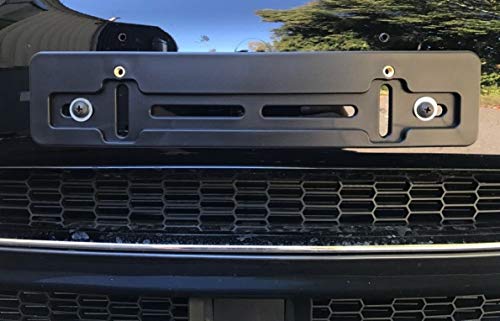
Compatibility: It's a design made to fit all Makes and Models ( Auto Car Sedan Truck Van SUV Hatchback Crossover Pickup Coupe Convertible Wagon Golf Cart Vehicle ) with the Flat Shape of the Bumpers. It won't work on Curved Spots of the Bumper or V-shaped Bumpers! You can mount it on the left or right side of the bumper too. This is not an OEM bracket.
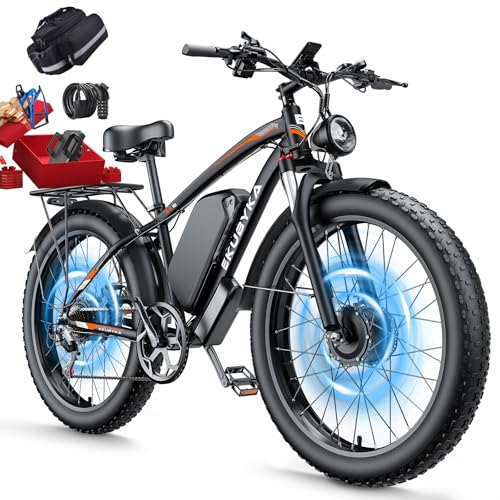
8000W Peak Dual Motor E-Bike: 2x4000W motors hit 48MPH. 200N.m torque & 7-Speed gears conquer 40° slopes. Switchable Single/Dual Drive for range or thrill. High-speed off-road electric bike for adults.
Choosing the Best Shoes for Commuting

Although choosing the right shoes for commuting may seem straightforward, balancing comfort and professionalism is a more nuanced task than it appears. Commuting footwear must support long walks, often on uneven surfaces, making cushioned sneaker styles, especially those with breathable mesh and roomy toe boxes, ideal for most journeys. White sneakers frequently earn praise for combining comfort with a clean look, but they rarely meet professional aesthetics required in many workplaces. Black pumps, favored for their sleek finish and polished vibe, serve the office setting better but can be uncomfortable during commutes. Many employees find relief by swapping shoes at the office, helping maintain a fresh appearance while enjoying comfy sneaker styles on the way. Choosing wisely, based on commute length, materials, and functionality, can prevent sore feet without sacrificing style. Additionally, opting for shoes with rubber soles can enhance grip and reduce slipping during commutes, increasing overall comfort and safety.
Recommended Products


Balancing Comfort and Professional Appearance
Balancing comfort with a polished look can be a real challenge for those who commute in heels. Stylistic choices must navigate foot health concerns since chronic heel wear shortens calf muscles by 13%, causing discomfort during long commutes and work hours. Swapping into comfy flats at the desk supports healthier calf flexibility and reduces foot fatigue, addressing emotional impact linked to sore feet after city walking. Meanwhile, maintaining a neat appearance aligns with many office cultures that prize professionalism without sacrificing well-being. This dual approach—choosing supportive shoes for travel and switching to heels at the office—harmonizes personal style with practicality. Overall, mindful shoe swapping respects both physical needs and social expectations, helping commuters avoid pain while still feeling confident and polished throughout the day. Selecting heels with features like a snug yet roomy toe box can further enhance comfort during office wear.
Workplace Norms and Perceptions About Shoe Changing
Numerous office workers find that changing shoes at their desks is a practical solution to the dilemma of commuting in heels. This approach blends comfort during transit with polished office attire needed to meet professional expectations. Workplace norms generally accept shoe changes without fuss, as colleagues tend to focus on their own tasks rather than on shoe etiquette. Even junior staff have navigated this practice smoothly, suggesting minimal social pressure surrounds the switch. For those commuting long distances, swapping shoes at the desk guarantees they arrive looking sharp without sacrificing comfort. Maintaining a neat appearance by changing shoes supports the overall professional image, which remains important in many formal office environments. Consequently, the balance between practicality and decorum is generally well respected in modern professional settings. Choosing footwear with features like an adjustable buckle strap can enhance comfort and stability throughout the day.
Foot Health Tips for Heel Wearers
While swapping shoes at desks addresses comfort during commutes, foot health remains an ongoing concern for heel wearers in the office. Consistently wearing heels above 5cm can shorten calf muscles by up to 13%, causing ankle stiffness and Achilles tendon discomfort. Incorporating foot exercises like heel drops and ankle rolls helps maintain flexibility, counteracting these effects. Additionally, shoe rotation is essential; alternating high heels with heel alternatives such as cushioned flats or supportive sneakers throughout the week not only reduces muscle strain but also restores natural foot alignment. Those mindful of their footwear habits, perhaps by reserving heels for meetings or events, often report less pain and greater overall comfort. It’s impressive how small changes, like regular stretches and smarter shoe choices, can truly improve foot health without sacrificing style. Using high heel cushion inserts can further enhance comfort and provide essential support during prolonged wear.
Recommended Products


The Women’s Nike Dunk Low “Golden Gals” is a women’s-exclusive version of the retro basketball shoe in a colorway with Metallic Silver leather overlays

Practical Strategies for Managing Footwear at Work
A practical approach to managing footwear at work often involves switching from comfy commuting shoes to formal office footwear once inside the building. Many prefer commuting footwear options like cushioned sneakers or flats, which provide ample support and prevent foot fatigue during longer trips. Following heel alternatives trends, some opt for stylish low wedges or block heels that balance comfort with professionalism. Workplace shoe storage solutions also play a role, as a modest under-desk organizer or compact cubby keeps both pairs accessible without cluttering the area. This swap routine not only preserves a polished look but also reduces strain on the toe box and Achilles tendons caused by prolonged heel wear. By embracing these strategies, women can navigate their daily demands without sacrificing foot health or office style. Additionally, choosing heels with ideal block heel height between 2.5 and 3 inches can significantly enhance comfort and reduce fatigue throughout the workday.
Recommended Products

Look bold, badass, and unstoppable wearing the Stuart Weitzman Kaia Knee-High Boot. Crafted from leather upper, synthetic rubber lining, and rubber insole, this pair of knee-high boots features round toe, pull-on construction, and block heels for an
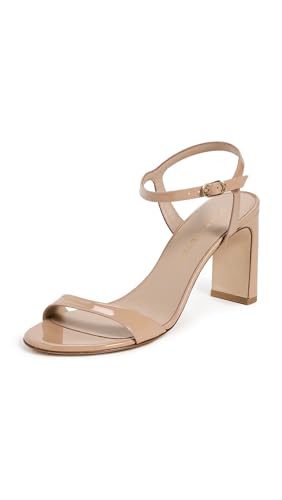
Leather sole with rubber heel cap

Leather sole with rubber patch
Frequently Asked Questions
Why Does Gen Z Not Wear Heels?
Gen Z avoids heels due to sneaker culture and fashion evolution favoring comfort over style. They prioritize practical footwear for health and individuality, rejecting traditional norms and embracing versatile, comfortable shoes like sneakers and flats in everyday life.
What Is the Old Wives Tale About Shoes?
Though shoes may seem mundane, shoe folklore warns against bringing bad luck by wearing them indoors or placing them on tables. This superstition influences workplace etiquette, prompting preferences for heel comfort and discreet shoe swaps at desks.
Is It Okay to Wear Open-Toed Heels in the Office?
Open-toed heels are acceptable in many offices, provided office etiquette is respected. However, heel comfort and shoe professionalism must be balanced, as some workplaces prefer more conservative footwear for maintaining a polished, professional appearance.
How Often Should You Switch Your Work Shoes?
Like shifting tides, work shoes should change at least twice daily to balance shoe comfort with heel height. This rhythm preserves professional appearance while preventing foot fatigue, ensuring each step remains as poised as the office demands.


