As an Amazon Associate, we earn from qualifying purchases. Some links on this site are affiliate links at no extra cost to you. Our recommendations are based on thorough research and editorial judgment.


The Science of Arch Support: What to Look for in a Work Shoe

Arch support in work shoes balances weight evenly across the foot, preventing common issues like plantar fasciitis and shin splints. Look for built-in arch support, cushioned insoles with shock absorption, firm heel counters for alignment, and flexible soles that allow natural movement. Removable insoles are a plus for custom orthotics. Shoes should fit a roomy toe box to reduce bunion pressure. We tested pairs through eight hours on hard floors and were truly blown away by how much these features reduce fatigue. Keep going to explore specific shoe types and shift tips.
Key Takeaways
- Effective arch support evenly distributes foot pressure, preventing pain and foot problems like plantar fasciitis during long work hours.
- Look for work shoes with built-in arch support, cushioned insoles, firm heel counters, and flexible soles for optimal comfort and alignment.
- Removable insoles enable custom orthotics, allowing personalization to individual arch types and improving overall foot health.
- Gradually transitioning to arch-supportive shoes reduces discomfort and maximizes long-term workplace comfort and injury prevention.
- Rotating 3-5 pairs of shoes tailored for different arch types enhances cushioning and support, extending shoe lifespan and foot protection.
The Role of Arch Support in Foot Health

The vital role of arch support in foot health cannot be overstated, especially for those on their feet all day. Proper arch support in work shoes guarantees balanced distribution of weight across the foot, which reduces foot pain and prevents issues like plantar fasciitis. Shoes with proper arch align the foot correctly, promoting proper alignment that benefits overall posture. Without adequate arch support, chronic foot pain becomes more likely, leading to mobility problems and increased healthcare costs. Testing shoes with cushioned insoles and firm arch contours shows how significant this support is for all-day comfort. Many users are truly blown away by how much well-designed arch support reduces fatigue. To sum up, investing in work shoes with reliable arch support is vital for long-term foot health and pain prevention. Preferred materials such as cushioned memory foam and breathable cork enhance both arch support and moisture control for added comfort.
Common Foot Problems Linked to Poor Arch Support

Although often overlooked, poor arch support can lead to a range of pesky foot problems that many on-the-go workers might not expect. Common foot problems linked to inadequate arch support include plantar fasciitis, marked by sharp heel pain that can seriously throw off a workday. Flat arches often cause overpronation, which stresses shin bones and can lead to shin splints, while high arches may cause underpronation, increasing forefoot pressure and risking metatarsalgia. Bunions, which develop from unnatural foot positions, get worse without a comfy, supportive toe box and proper arch support. Chronic foot pain is another common complaint, frequently extending discomfort to the back, hips, and knees. Those serious about work shoe selection should truly be blown away by models that provide firm, yet cushioned support, addressing these issues head-on without sacrificing comfort. Many high-quality insoles now offer targeted arch support with advanced materials to relieve pressure and improve foot alignment throughout the day.
Recommended Products


sku=36768103-6

Fleece lined with 200g Thiosulfate insulation
Types of Foot Arches and Their Characteristics

Foot structure plays a major role in how shoes fit and support throughout a workday. There are three key types of arches: flat arches, normal arches, and high arches, each with distinct traits. Flat arches sit close to the ground and often cause overpronation, which can lead to foot problems like plantar fasciitis. Normal arches have a moderate curve providing balanced weight distribution, making this arch type generally easier to support. High arches present an elevated curve, usually resulting in underpronation, which adds stress to the outer foot. The wet footprint test helps identify these types: a full print shows flat arches, partial print normal arches, and a narrow middle signals high arches. Proper arch support tailored to these types helps prevent discomfort and injury during long shifts. When selecting footwear, considering heel height impact is crucial because higher heels can influence foot comfort and stability throughout the day.
How Arch Support Enhances Workplace Comfort
Three key benefits stand out when evaluating arch support in work shoes: reducing foot pain, improving posture, and preventing chronic injuries. Proper arch support relieves common foot problems like plantar fasciitis and metatarsalgia, which often arise from prolonged standing on hard floors. By distributing pressure evenly, these supportive insoles reduce strain on knees and the lower back, leading to better posture and enhanced comfort. This comfort is vital for workers who spend long shifts on their feet, helping to prevent musculoskeletal disorders that can severely impact productivity. Proper footwear with reliable arch support not only makes workdays more bearable but also supports long-term health. Adjusting gradually to such shoes helps wearers avoid additional fatigue, making the adjustment to arch support both effective and, frankly, surprisingly comfy—even if the toe box takes some getting used to. When selecting work shoes, consider features like cushioned insoles that enhance comfort and support throughout the day.
Recommended Products


Crafted in durable ECCO leather with 100% GORE-TEX waterproof protection, so your feet stay dry
Key Features to Look for in Arch-Supportive Work Shoes
When selecting arch-supportive work shoes, it’s essential to reflect on multiple design features that collectively guarantee lasting comfort and support during long shifts. First, built-in arch support is critical for alleviating foot issues such as plantar fasciitis or flat feet, offering relief after hours spent on hard floors. A cushioned insole with shock absorption considerably reduces pressure, preventing fatigue, especially in high-impact tasks. Shoes equipped with a firm heel counter help maintain proper alignment by stabilizing the foot, which decreases risks tied to overpronation. Additionally, a flexible sole supports natural foot movement without sacrificing structure. Finally, a removable insole is invaluable, allowing users to insert custom orthotics tailored to their unique arch needs—this personal fit can make all the difference for those seeking both comfort and durability in work shoes. Incorporating memory foam insoles can further enhance cushioning and provide cloud-like comfort for prolonged wear.
Recommended Products
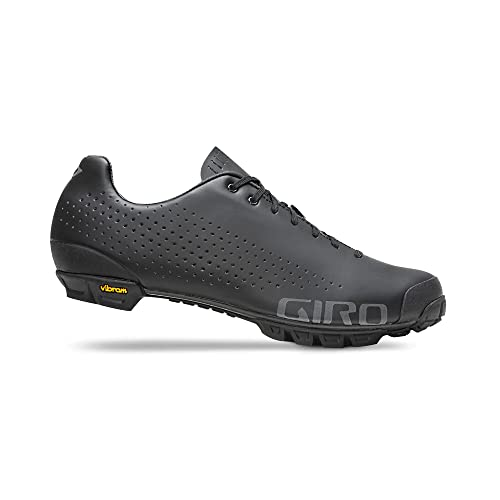
Highlights Include A Lightweight Laced One-Piece Upper For Unrivaled Comfort, An Easton Ec90 Full Carbon Outsole And Molded Vibram Rubber Tread For Relentless Grip.

Motorcycle-Ready Design: 11-inch pull-on design built for motorcycle enthusiasts seeking reliable performance and protection.

ELITE PERFORMANCE AND TIMELESS STYLE: A high-performance mountain bike shoe with fast adjustability and comfortable feel
Matching Shoes to Your Work Environment Needs
Choosing the right arch-supportive work shoe often depends on the demands of the specific work environment, as comfort needs vary widely across professions. Healthcare workers benefit from shoes with slip resistance, ample arch support, and cushioning to combat foot fatigue from long hours on hard floors. Teachers need work shoes that offer cushioning and proper support, given their daily walking and standing. Retail employees often seek stylish footwear that doesn’t sacrifice comfort, which can be tricky but not impossible. Safety boots for construction workers must provide durability, protection, and arch support with thick, cushioned soles to reduce foot strain. Even office workers appreciate dress shoes with hidden arch support for all-day comfort. Matching footgear appropriately guarantees both comfort and health, proving that the right arch support matters across varied job roles. Additionally, incorporating shoes made with high-quality materials can significantly enhance support, comfort, and longevity, especially during extended wear.
Recommended Products

Synthetic overlays add support Mesh upper offers breathability Padded footbed for lightweight cushioning
The Impact of Arch Support on Posture and Body Alignment
Footwear support plays a crucial role in maintaining good posture and proper body alignment throughout the workday. Proper arch support in work shoes stabilizes foot alignment, which helps control pronation and evenly distributes weight. This prevents poor posture and reduces strain on the knees and lower back, which often causes musculoskeletal pain. Shoes designed with built-in arch support promote biomechanically efficient body mechanics, improving overall comfort during long hours of standing or walking. Injury prevention is another key benefit; inadequate arch support can lead to imbalances, increasing risks like plantar fasciitis. After testing multiple shoes with varying materials, I was truly blown away by the comfort differences just a 5mm change in arch height made—support that feels comfy yet firm inside the toe box made walking smoother and posture noticeably better. Additionally, incorporating cushioned insoles can further enhance comfort and reduce soreness during extended wear.
Transitioning to Arch Support Shoes Safely
Although changing to arch support shoes can feel a bit strange at first, a gradual approach usually makes the process much smoother. Experts recommend starting with 1-2 hours of wear in week one, increasing to 4-6 hours in week two, then aiming for a full shift by week three. During this changeover, short breaks combined with calf stretches help reduce discomfort and ease muscle adjustment. Evaluating current footwear for adequate arch support and practicing shoe rotation extends shoe life and comfort. Paying attention to early signs of foot problems, like chronic pain or sudden fatigue, guarantees a healthy change while preventing serious issues. Some workplaces support this process by subsidizing footwear, but those going it alone can still find success with a steady, patient approach. Choosing shoes with contoured arch support can significantly enhance comfort during this transition.
Employer Initiatives to Promote Foot Health
Many businesses recognize that promoting foot health goes beyond simply recommending better shoes. They invest in supportive footwear programs that subsidize proper arch support, encouraging employees to choose comfy shoes with adequate toe box space and stable soles. On-site health screenings assess arch height and foot shape, which helps prevent foot injuries by guiding shoe choices tailored to individual needs. Additionally, ergonomic coaching teaches shoe rotation and the benefits of alternating footwear to reduce strain and improve comfort. These initiatives not only lower healthcare costs but also boost employee morale by showing genuine care for well-being. Ultimately, by emphasizing arch support and foot health, companies see improvements in employee productivity and fewer absences, proving that happy feet really do make a stronger workforce. Incorporating shoes with cushioned memory foam footbeds can significantly enhance comfort and reduce foot fatigue during long work hours.
Building a Work Shoe Collection for Optimal Arch Support
Building a solid lineup of work shoes tailored to arch support needs makes a noticeable difference over time. A diverse collection should include shoes catering to flat feet, high arches, and normal arches, featuring proper cushioning and supportive shoe insoles. For example, slip-resistant healthcare shoes and oxfords for office settings provide ideal support while addressing different demands. Owning at least 3-5 pairs allows for shoe rotation, which preserves cushioning, reduces foot fatigue, and extends shoe life. Introducing new shoes gradually through a three-week change plan helps feet adjust comfortably to increased arch support. Regularly checking wear patterns and comfort levels guarantees the collection remains effective. After all, rotating comfy shoes tailored to individual arch types keeps feet happy, even during long, tiring shifts. Incorporating shoes with cushioned PU insoles can significantly enhance comfort and minimize foot fatigue throughout the workday.
Frequently Asked Questions
How to Tell if a Shoe Has Good Arch Support?
A shoe with good arch support features stability, appropriate heel height, and quality material that contours the foot arch, minimizing pressure points. Diverse insole options enhance comfort levels across shoe types, essential for maintaining ideal foot health.
What to Look for in a Work Shoe?
Essential work shoe criteria include comfort features, high material quality, sturdy shoe construction, appropriate heel height, spacious toe box, ideal cushioning type, sole flexibility, effective traction design, balanced weight distribution, and durability factors ensuring long-term performance and safety.
How Do I Know Which Arch Support I Need?
Determining arch support begins by measuring arch height to classify arch types explained through foot anatomy basics. Personalized fitting tips consider static vs dynamic foot assessments, orthotic insoles options, footwear flexibility importance, addressing common foot problems and debunking arch support myths for maximum benefits.
Which Shoe Brand Has the Highest Arch Support?
Studies show 70% of runners prefer shoes with advanced arch support. Among brands, ASICS GEL and Brooks Running consistently offer superior arch support, while New Balance and Saucony Freedom provide excellent cushioning. Nike Air and Hoka One excel in comfort.


