As an Amazon Associate, we earn from qualifying purchases. Some links on this site are affiliate links at no extra cost to you. Our recommendations are based on thorough research and editorial judgment.

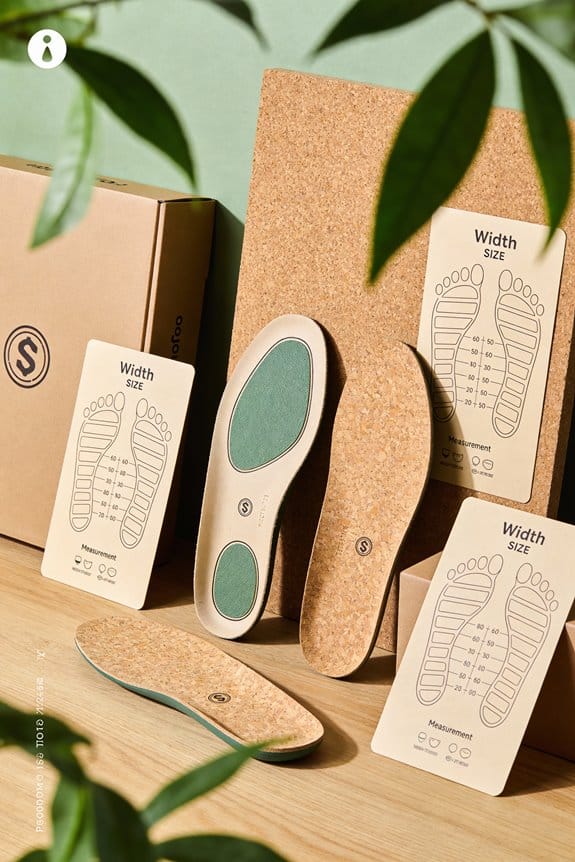
Wide Width vs. Extra Wide: How to Measure Your Foot Girth Accurately

Measuring foot girth accurately means wrapping a soft cloth tape around the widest part of the foot while standing, keeping it snug but not tight—much like hugging your foot without causing a red mark. Wide widths typically add about 1/8 inch of girth, while extra wide adds around 1/4 inch, providing extra room in the toe box and instep. Testing both feet and using the larger measurement guarantees a comfy fit. If you want to avoid painful pinches, understanding these differences will help. More precise details on selecting the right width follow.
Key Takeaways
- Use a soft cloth tape measure to wrap around the widest part of your foot while standing for an accurate girth measurement.
- Keep the tape snug but not tight, ensuring it doesn’t cut off circulation or compress the foot unnaturally.
- Measure both feet and use the larger measurement to select the proper shoe width for comfort and fit.
- Round your measurement to the nearest 1/8 inch and refer to width charts to distinguish between wide (1/8 inch more) and extra wide (1/4 inch more) sizes.
- Remember women’s wide sizes are marked as D/2E and men’s as EE/4E; choosing the correct girth prevents discomfort and improves shoe fit.
Importance of Measuring Foot Girth for Shoe Fit

Although many people focus mainly on shoe length, measuring foot girth is equally important for fit and comfort. Accurately measuring foot girth helps determine the correct shoe width, which varies from standard to wide or extra wide sizes. To measure your foot girth properly, wrap a tape around the middle of your foot, considering any foot conditions like swelling or orthotics that add extra volume. The ideal shoe width found this way prevents discomfort, pressure marks, and fatigue after long wear. Shoes marked on a shoe size chart as EE or 4E for men—and D or 2E for women—offer extra room for wider feet. Paying attention to foot width helps guarantee you find the right shoe size and the right fit without regret. Proper width measurement is especially critical when selecting heels with cushioning and support for all-day comfort.
Tools Needed for Accurate Girth Measurement

Finding the right shoe width starts with a good girth measurement, which depends heavily on using the right tools. To measure foot girth accurately, a soft tape measure—preferably a cloth tape measure—is essential. Unlike rigid rulers, this tape easily wraps around the widest part of the foot, usually the ball area, ensuring a snug but comfy fit. Measuring while standing on a hard surface helps capture the foot’s natural spread when bearing weight, which truly affects shoe widths. It’s best not to yank the tape too tightly, or the resulting number might lead to a shoe that’s too tight in the toe box. Also, testing both feet and recording the larger measurement guarantees picking the right width and ultimately the most accurate shoe size. Remember, ensuring at least half-inch extra room in the toe box is important to prevent discomfort and promote natural toe splay.
Step-by-Step Guide to Measuring Foot Girth

Accurate foot girth measurement begins with the simple step of wrapping a soft cloth tape measure around the widest part of the foot, typically just behind the toes. It’s important to keep the tape snug but not tight, ensuring comfort without cutting off circulation. Record the size in inches or centimeters, rounding to the nearest 1/8 inch for precise results. Measuring both feet is essential since one foot may be slightly larger; always use the bigger measurement to find the perfect fit. For those needing extra depth, measuring around the instep helps. This step is especially important to know when choosing Wide-width shoes. Referring to a reliable Width Measurement Chart will guide selecting the right shoe width, helping avoid discomfort and ensuring a truly comfy toe box. Considering features such as adjustable straps can further enhance fit by allowing customized adjustments for wider feet.
Comparing Wide and Extra Wide Shoe Measurements
Two common wider shoe options are Wide and Extra Wide, each designed to offer increasing foot room for comfort and support. Wide shoes add about 1/8 inch of extra width beyond standard sizes, suiting mildly wide feet, while Extra Wide shoes offer a full 1/4 inch more—making them the widest choice for those needing extra space. For women, wide widths are marked as ‘D’ and extra wides as ‘2E’; for men, wide is ‘EE’ and extra wide goes up to ‘4E’. Accurately measuring foot length and thumbs width helps find the right size and fit, since shoe size and width must match your actual foot girth. Testing shows that selecting wide or extra widths depends largely on how snug or roomy you prefer the toe box in relation to your foot’s shape. Considering shoes with roomy toe boxes can significantly improve comfort for wider feet by allowing natural toe spread and reducing pressure.
Interpreting Girth Measurements for Shoe Selection
Beyond just length and width labels, the girth measurement plays a significant role in shoe fit, especially when choosing between standard, wide, or extra wide options. Foot girth is measured around the middle of the foot, influencing whether a standard shoe, which fits average girth, or a wide shoe with an extra 1/8 inch, or even an extra wide shoe adding 1/4 inch, is best. Knowing these measurements improves comfort and foot health by preventing pinching or cramping. Different brands vary in their foot girth for each width category, so consulting size charts is crucial. Selecting shoes based on accurate girth measurements guarantees a better fit across styles, offering support and comfort tailored to individual foot shapes, avoiding the frustration of shoes that are too tight or loose. Additionally, choosing heels with memory foam cushioning and proper arch support can greatly enhance comfort for wider feet during extended wear.
Tips for Maintaining Proper Foot Fit With Width Variations
When selecting shoes with varying widths, paying close attention to the girth measurement around the middle of the foot is essential for maintaining a proper fit. Measuring both the length and width at the widest point guarantees shoes won’t feel tight or loose. Choosing the right width means allowing a little extra space, especially if foot swelling occurs later in the day. Trying a variety of styles helps find the best fit for your foot’s shape and girth. Wearing the wrong size causes discomfort or pressure marks, which no one wants. Always keep your foot flat when measuring, and if your measurement falls between two widths, testing both is wise. This approach minimizes the chance of buying shoes that feel too tight or too roomy around the instep, maintaining comfort and support. Additionally, considering pumps with built-in arch support can enhance overall foot comfort when dealing with width variations.
Frequently Asked Questions
How Do You Know if Your Foot Is Wide or Extra Wide?
Like releasing a puzzle, determining wide or extra wide foot size involves measuring tools to gauge width variability, considering foot arch and fit. Proper size conversion, fitting tips, and style options enhance shoe comfort and foot health.
Is D the Same as 2E?
D and 2E represent different foot width categories in shoe sizing, with 2E offering more room. Understanding width differences through precise foot measurement enhances shoe comfort, aligning with retail standards and foot anatomy fitting guides for proper shoe fit.
How Do I Know if I Need 2E or 4E?
Determining 2E or 4E shoe width is like finding a perfect puzzle piece. By using foot measurement, sizing charts, and comfort factors from common brands’ fitting guides, online shopping becomes easier, matching diverse foot types and style preferences.
Is Shoe Size 4E the Same as Extra Wide?
Shoe size 4E is classified as extra wide in shoe sizing, accommodating wider foot measurements. Width categories vary by brand, emphasizing comfort factors, arch support, and foot shape. Proper size conversion and fitting tips enhance accurate purchases.


