As an Amazon Associate, we earn from qualifying purchases. Some links on this site are affiliate links at no extra cost to you. Our recommendations are based on thorough research and editorial judgment.

Desk Exercises to Relieve Foot Tension After Wearing Heels

Desk exercises can truly help relieve foot tension after wearing heels; simple moves like ankle pumps—which alternate pointing toes down and pulling them up for 1-2 minutes—boost circulation in tight muscles. Toe raises, where heels lift off the floor while toes stay down, strengthen foot muscles over 10-30 reps, easing fatigue. Rolling a massage ball or a frozen bottle under the foot targets sore spots and reduces inflammation. For more comfy foot care tips, keep exploring effective methods.
Key Takeaways
- Perform ankle pump exercises by alternating pointing toes down and pulling them back to improve circulation and relieve foot tension in 1-2 minutes.
- Do toe raises by lifting heels while keeping toes on the floor to strengthen foot muscles and improve blood flow.
- Roll a massage ball under your feet to target tight plantar fascia areas and reduce tension effectively.
- Use cold massage by rolling a cold object under feet for one minute to soothe heel pain and inflamed tissues.
- Schedule desk exercises every hour for 5-10 minutes, including calf stretches and toe flexing held for 15-30 seconds to enhance foot flexibility.
The Importance of Foot Care After Wearing Heels
Although wearing high heels may elevate style, it greatly increases foot stress that can lead to problems like plantar fasciitis and Achilles tendinitis if not carefully addressed. Proper foot care following heel use is essential to avoid persistent heel pain and discomfort. To recover from heels, spending time barefoot or in comfy shoes helps relieve swelling and bruising. In addition, warm foot soaks with Epsom salts for about 20 minutes can effectively soothe sore muscles. Incorporating stretching exercises that target calf muscles and flex toes reduces tightness and promotes healing. Without these recovery steps, foot strain can worsen, making it harder to walk comfortably or wear heels again. Foot care practices are not just helpful but vital for long-term foot health after wearing high heels. Choosing shoes with memory foam cushioning can also significantly reduce foot fatigue and improve comfort during wear.
Benefits of Desk Exercises for Foot Health
When desk exercises are done regularly, they offer clear benefits for easing foot tension caused by sitting or wearing heels all day. Desk exercises like ankle rolls and toe flexing improve blood flow, which helps minimize muscle cramps and reduces the risk of plantar fasciitis, a common foot condition. Incorporating gentle foot rolling delivers a comfy massage effect, effectively easing heel pain and boosting overall foot health. Additionally, these movements enhance flexibility in tight calf muscles and tendons, counteracting the shortened toe box and narrow heel support typical in high heels. With consistent practice, desk exercises maintain better foot alignment and posture, which translates into long-term relief from foot fatigue and discomfort. Trusting simple moves, even while seated, can truly make a noticeable difference in foot tension management. Choosing footwear with cushioned insoles and roomy toe boxes further supports foot comfort during prolonged wear.
Ankle Pump Exercise for Improved Circulation
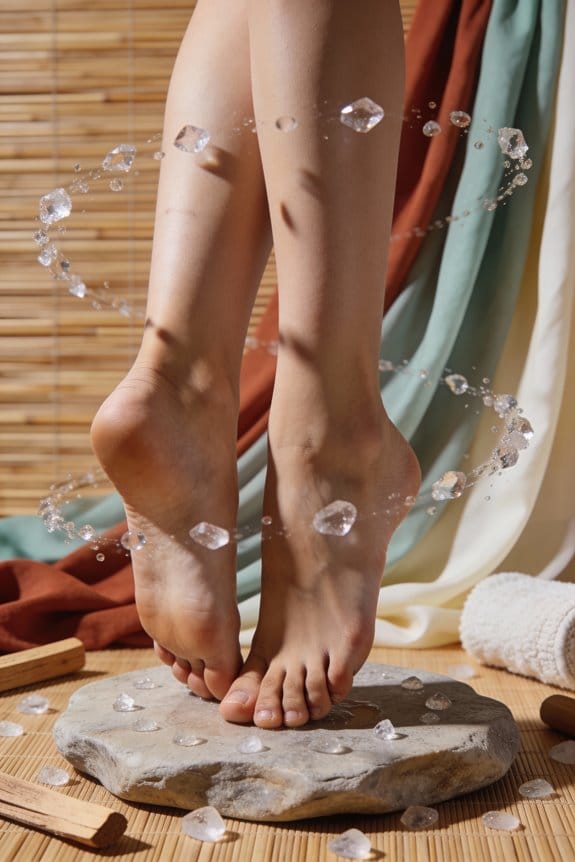
Many people have found the ankle pump exercise to be a simple yet effective way to improve circulation in the feet and lower legs, especially after wearing heels or sitting for long hours. By lifting the feet off the floor and alternately pointing toes downward and pulling them back toward the body, this movement engages the calf muscles, boosting blood flow. Done for just 1-2 minutes, the ankle pump relieves foot tension caused by high heels, which often restrict the toe box and compress nerves. Including this exercise in a daily routine can improve flexibility and reduce the risk of plantar fasciitis, a common foot condition from poor circulation. Although it sounds basic, the ankle pump worked well during testing, making it a comfy addition to office breaks or post-wear recovery. Incorporating footwear with good arch support can further enhance the benefits of this exercise by promoting even weight distribution and reducing foot strain.
Recommended Products

Basketball Shoes

GORE-TEX Waterproof technology combines optimized breathability & protection against the elements
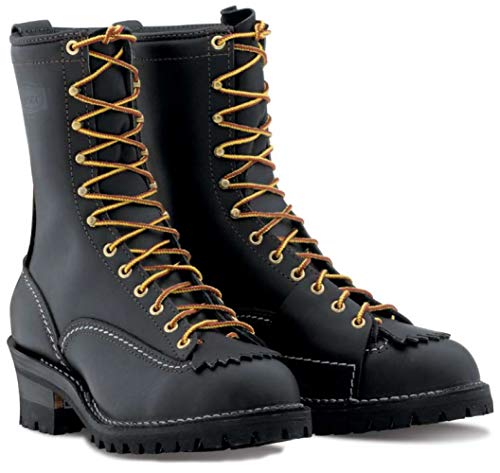
Wesco Highliner 10" Spur Climbing Lace-Up Boots – Oiled Leather, Lug Sole, Black USA-Made, Size 13 D
Premium Construction: The ultimate climbing boot worldwide, featuring 10 inches of 7 ounce oiled-leather top and foot for maximum durability and protection
Toe Raises to Strengthen Foot Muscles
Toe raises actively strengthen foot muscles by lifting the heels while keeping toes firmly on the floor. This simple movement targets key muscles weakened after wearing heels, helping to improve balance and control. Performing sets of 10 to 30 toe raises multiple times daily builds endurance, which is essential to reduce strain from prolonged heel use. Importantly, toe raises encourage better blood flow, easing foot fatigue and discomfort that often follow a day in less-than-comfy stilettos. Integrating toe raises into a routine also helps counteract muscle shortening caused by heels, promoting recovery and preventing future soreness. While testing, it became clear that consistent practice leads to noticeable improvements in foot strength and comfort—something that can make switching out those heels for comfy shoes feel well worth the effort. Additionally, incorporating exercises that focus on cushioned insoles and supportive heel designs can enhance overall foot health and comfort during and after wearing heels.
Recommended Products

Comfortable standing platform at any height between 5 and 8-Feet
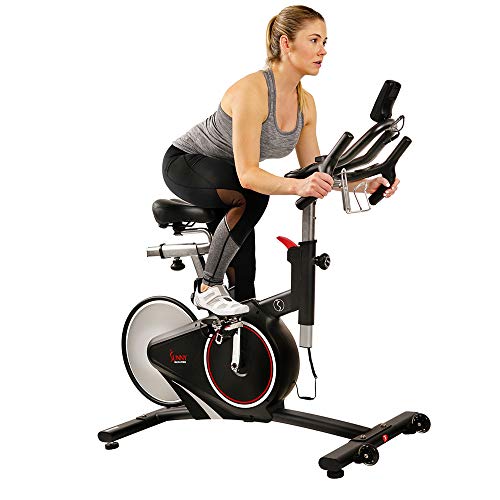
MAGNETIC BELT DRIVE RESISTANCE: The 13-level belt drive magnetic resistance system delivers quick and reliable changes to resistance. The magnetic resistance system provides a smooth responsive ride by increasing the magnetic field resistance over the flywheel. The low maintenance belt drive system results in a virtually silent and stable exercise bike experience.
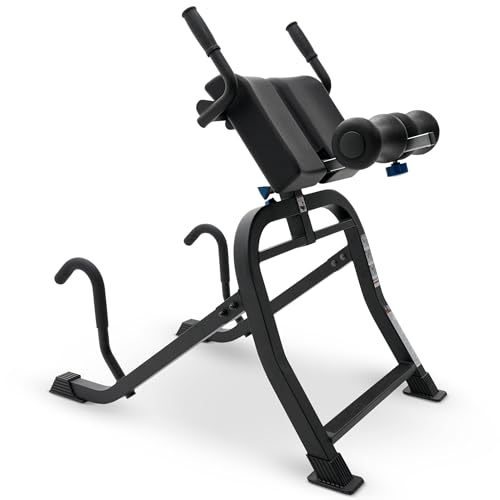
TOTAL BODY TRAINING: Enhance your at-home gym with stretching, core, back workouts, and upper body strength training.
Rolling a Massage Ball Under Your Feet
Building on the improvements gained from toe raises, incorporating a massage ball under the feet adds a complementary way to ease tension and enhance comfort. Using a small, firm massage ball made of rubber or silicone, one can roll each foot back and forth for about one minute while seated. This targets tight spots along the plantar fascia, relieving tension that often leads to heel pain and other common foot problems caused by wearing heels. The massage ball encourages better blood flow and gently loosens the connective tissue, promoting overall foot health. Regular practice helps reduce the risk of plantar fasciitis, which can be particularly stubborn. Although it may feel slightly awkward at first, many are truly blown away by how effectively this simple step eases discomfort and improves toe box relaxation throughout the day. Additionally, combining this massage with proper arch support in footwear can significantly reduce foot fatigue and enhance long-term comfort.
Recommended Products

6D Dual Massage Technology – Upper & Lower Body Care: The 6D dual massage system (3D + 3D) simultaneously massages the upper and lower body, delivering deeper massage and an upgraded, next-level full-body massage experience.

2023 model with Full Body Roller System (9 Rollers total) - Each roller is made of Grade A Jade, and individually heated.
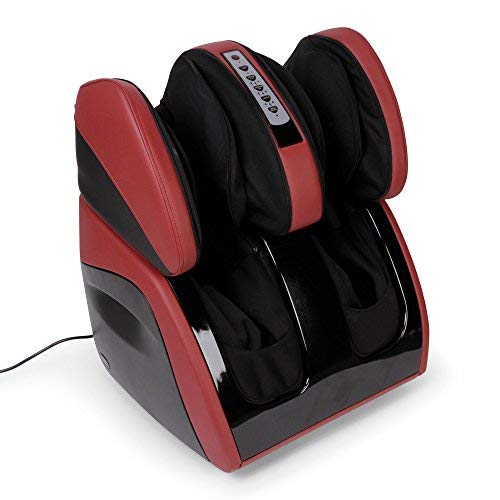
✅ MASSAGE CUSTOMIZATION: With 30 airbags and 3 adjustable intensity levels, each user can tailor the massage to their needs, from gentle relief to intense muscle therapy
Seated Calf Stretch to Relieve Tightness
A simple seated calf stretch can make a noticeable difference after hours spent in heels. To try this seated calf stretch, sit on the edge of a sturdy chair, extend one leg straight ahead, and keep the other foot flat on the floor for balance. Loop a towel or strap around the ball of the extended foot, gently pulling it toward you until you feel a mild pull in the calf muscles—avoid any sharp pain to prevent muscle strain. Hold this stretch for 15-30 seconds, repeating it three times on each leg. Regularly doing this stretch helps relieve tightness and ease foot tension from wearing heels. Over time, it can improve flexibility and reduce the risk of soreness caused by long periods in tricky, less-than-comfy shoes. Paying attention to the heel height of your shoes can also aid in minimizing foot tension during wear.
Recommended Products

𝗔𝗱𝗱𝗿𝗲𝘀𝘀𝗲𝘀 𝗖𝗼𝗺𝗺𝗼𝗻 𝗣𝗮𝗶𝗻 𝗣𝗼𝗶𝗻𝘁𝘀: Designed to alleviate back pain, plantar fasciitis, sciatica, herniated discs, tight hamstrings, achilles tendonitis, and poor posture, offering a comprehensive solution for better mobility and overall wellness.

Used for ALL Posture and Alignment Therapy Method Exercises, Pain Free At Sea Therapy, PTX Therapy, Posture Therapy, in standing, sitting, kneeling, hands and knees and lying down positions. It assists with lengthening, flexing, strengthening and realigning the spine and joints, bringing symmetry and balance to the body, reducing and preventing injuries.
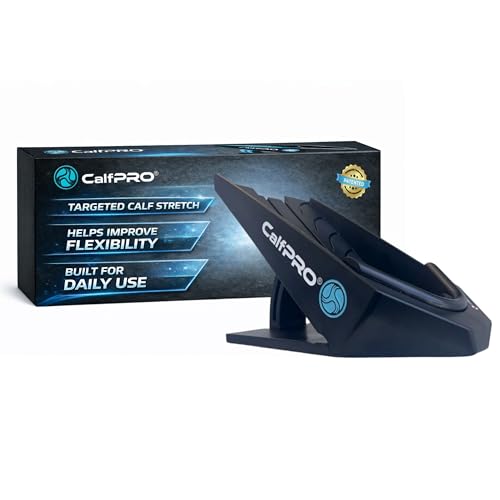
Enhance Mobility & Comfort with CalfPRO - Unlike slant board, rocker, wall or curb stretching, CalfPRO softly cradles your ankle at the ideal pivot point so you can get the deepest and safest stretch, directly targeting your calf, releasing your heel pain at the source. Instant relief for Plantar Fasciitis, loosen calves, reduce soreness & boost ankle health.
Big Toe Stretch to Improve Flexibility
Flexibility in the toes plays an essential role in overall foot comfort and function, especially after spending hours in high heels with narrow toe boxes that can feel anything but comfy. The Big Toe Stretch targets this exact issue by gently pulling the big toe toward the body while seated, improving flexibility and reducing tension built up from hours in heels. Holding the stretch for 15-30 seconds and repeating three times per foot encourages balanced flexibility and enhances blood circulation, vital for foot recovery. Regularly practicing the Big Toe Stretch helps alleviate discomfort caused by tight ligaments and strained tendons, promoting better foot function overall. After trying this simple stretch during a long workday, one can feel truly blown away by the improvement in foot ease and reduced tension. Incorporating heel choices with padded insoles can further enhance comfort and reduce foot strain during extended wear.
Simple Foot Rolling With a Frozen Bottle
Rolling a frozen water bottle under the foot offers an easy and effective way to ease soreness after long hours in heels with narrow toe boxes that pinch and ache. This simple foot rolling exercise involves sitting comfortably and placing a frozen 16-ounce water bottle beneath the arch, gently rolling it back and forth for about one minute per foot. The cold massage helps reduce heel pain by soothing inflamed tissues and improving circulation. Regularly practicing this exercise enhances foot flexibility and can prevent plantar fasciitis, a common issue for high heel wearers. It’s a low-cost, accessible foot care method that fits well into any daily routine. After testing, one might be truly blown away by how something so simple makes the feet feel comfier and less tense. Incorporating exercises that focus on improving arch support can further relieve foot tension and improve comfort after wearing heels.
Recommended Products

A massive cooler built to easily wheel wine, watermelon, and wild game

Made of rip stop nylon with 1680D polyester

Dual Foot Comfort – You can combine the chill of the cold roller with the smooth massage of the jade roller for the ultimate foot experience.
Frequency and Duration of Desk Exercises
When foot tension builds from sitting at a desk or squeezing into tight high heels, scheduling desk exercises every hour can make a noticeable difference. Each session should last between 5 to 10 minutes, which is ample time to stretch your calves and perform toe flexing, foot rolling, and ankle rotations without cutting too deeply into the workday. Static stretches like calf stretches or toe flexing need to be held for about 15-30 seconds each to loosen tight muscles effectively. For extra comfort, incorporating foot rolling or ankle rotations every 30 minutes improves circulation and lessens foot fatigue. Over time, these consistent desk exercises help reduce the strain caused by high heels, making it simpler to handle long days without feeling totally defeated by foot tension. Wearing wedge heels with an adjustable ankle strap can enhance stability and reduce foot fatigue during prolonged wear.
Tips to Prevent Foot Discomfort While Wearing Heels
Building on the benefits of regular desk exercises, preventing foot discomfort while wearing heels relies heavily on selecting the right footwear and adopting careful habits. Choosing well-cushioned shoes helps reduce pressure on the foot and boosts overall comfort, which is vital after a long day. Starting with low to mid-height heels, about 2 to 3 inches, allows feet to adjust without excessive strain, making the experience more manageable. Shoes with thicker heels offer better stability and distribute pressure more evenly across the foot, preventing aches and slips. Proper sizing is integral; ill-fitting shoes can lead to blisters and persistent discomfort. Additionally, practicing walking in heels at home refines technique and builds confidence, ensuring feet remain comfy when stepping outdoors. This thoughtful approach makes wearing heels far more bearable. Moreover, selecting pumps with good footbed cushioning can significantly enhance comfort and support throughout the day.
Frequently Asked Questions
How to Relax Feet After Wearing Heels?
After conquering the torturous heels, one must indulge in a foot massage targeting pressure points. Incorporating stretching techniques, arch support, and heel alternatives daily guarantees circulation improvement, transforming agony into a bearable foot care routine.
What Is the Heel Squeeze Test?
The heel squeeze test assesses heel health by applying gentle compression therapy to detect pain, aiding in pain management. It informs footwear choices and arch support needs, promoting proper foot alignment and circulation improvement for effective treatment.
Why Do My Feet Hurt 2 Days After Wearing Heels?
Foot pain two days after wearing heels often results from heel pain causes like reduced arch support and circulation issues. High heel effects, including shoe style impact, stress foot structures, emphasizing arch support importance for long term foot health and necessitating effective foot pain remedies.
How to Release Tension From Feet?
Releasing foot tension is like untangling knots in a rope; foot stretches and toe exercises provide relief, while arch support and massage techniques enhance circulation boost, pressure relief, and posture alignment, promoting overall comfort and recovery.


