As an Amazon Associate, we earn from qualifying purchases. Some links on this site are affiliate links at no extra cost to you. Our recommendations are based on thorough research and editorial judgment.

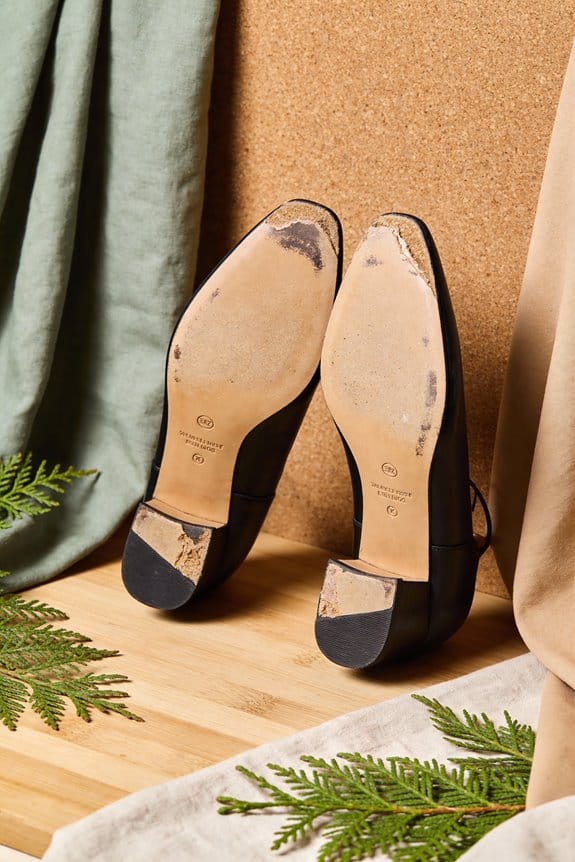
Identifying the Signs Your Work Heels Need Resoling

Work heels with tread thinner than 3 mm often lose grip, making slips more likely on slick surfaces. Visible cracks, holes, or peeling in the rubber suggest the sole’s past its prime, while gaps between the sole and upper can alter balance and cause discomfort after hours on the job. When the cushioning flattens or your feet start feeling less comfy, it’s time to think resoling. There’s a practical balance between saving shoes and safety—with insights coming up on spotting those key signs.
Key Takeaways
- Smooth or worn tread below 3 mm greatly reduces traction and increases slip risks on work surfaces.
- Visible cracks, holes, or thinning areas on soles indicate significant wear and need for resoling.
- Separation or gaps between the outsole and shoe upper compromise stability and signal urgent repair needs.
- Excessive creasing or sole peeling allows water in, damaging shoe structure and reducing comfort.
- Noticeable loss of cushioning or uneven sole wear causes discomfort and affects walking posture.
The Importance of Timely Resoling

Although some might delay fixing worn work heels, timely resoling is essential for safety and comfort throughout the workday. Worn-out soles can reduce traction greatly, increasing slip risks on smooth or wet surfaces. When visible damage appears on the sole—such as thinning rubber or cracks—they need to be replaced promptly to maintain proper footing and prevent posture issues. Ignoring this can lead to sole separation from the upper, compromising the shoe’s structure and causing discomfort in the toe box and arch. Regular checks can reveal when the tread is too smooth, signaling it’s time to act before pain sets in. Resoling typically costs between €70-120, proving more economical than buying new heels if the upper remains solid. Even the pickiest testers are truly blown away by how much comfort timely resoling adds. Choosing shoes with durable materials can also help extend the life of your heels before resoling is required.
Common Signs of Worn-Out Soles

Noticing when work shoe soles start to fail can save a lot of hassle later on. Common signs of worn-out soles include a smooth tread, which reduces grip and increases slip risks, especially on slick floors. Shoes with creased or cracked soles often let water seep in, making them uncomfortable and less durable. When the sole begins to separate from the shoe’s upper, it alters walking posture and can cause discomfort or even injury over extended wear. Regularly checking for visible holes or thinning areas is essential—these signs mean the sole has endured serious wear and tear. Shoes showing tread depth below 3 mm, for example, are less effective in keeping balance in demanding work conditions. It’s wise to replace or resole shoes before these issues become a real problem. Choosing shoes with non-slip rubber outsoles can help maintain safety and reduce slip risks in the workplace.
How Sole Wear Affects Safety and Stability

Sole wear is more than just an aesthetic problem; it directly impacts safety and stability in work environments. When the sole is worn down and the tread depth drops below 2 millimeters, slip risks increase sharply, especially on slick or uneven floors. Studies show that shoes with smooth soles lose essential grip, making balance tricky during daily tasks. Additionally, as soles wear, the cushioning inside breaks down, reducing shock absorption and putting extra stress on joints, which can lead to wobbling or discomfort. Workers truly get blown away when they realize that shoes need resoling not just for looks but for safer footing. Shoes constructed with methods like the Goodyear welt are easier to resole, restoring grip and stability, essential for maintaining solid footing throughout a busy workday. Choosing shoes with quality cushioned comfort can also help reduce foot fatigue and enhance stability, making resoling decisions even more important.
Checking for Visible Damage and Separation
Visible damage and separation in work heels serve as critical warning signs that resoling is overdue. A worn-out sole may have visible holes, cracks, or peeling, which often means it’s time to take action before safety and comfort worsen. When the sole is coming loose from the upper, it compromises the shoe’s structure and stability, potentially causing trips or awkward steps. Checking closely for any separation between the outsole and the rest of the shoe is essential; even a small gap can grow larger with continued wear. In my testing, once I noticed uneven wear and separation at the edges, the heel felt less comfy, and the toe box area shifted. These signs clearly suggest that a resoling process is needed to restore the shoe’s integrity. Maintaining a non-slip TPR outsole is important to enhance stability and reduce the risk of slipping when the sole wears down.
Impact of Reduced Traction on Work Performance
A decrease in traction on work heels can seriously affect job performance and safety. Reduced traction, caused by worn-down treads or smooth soles, increases the risk of slips and falls, especially on wet or oily surfaces commonly found in workplaces. Testing shows that as tread depth decreases by half, grip can drop up to 50%, which is more than enough to cause accidents or injuries. Over time, wear not only lowers traction but also impacts stability and overall performance by forcing workers to adjust their gait. This can add fatigue and strain during long shifts. Regularly checking for wear and getting resoling early can keep heels both safe and comfy, extending their life and helping maintain reliable footing throughout the workday. Even with the most durable materials, neglecting soles spells trouble. Additionally, utilizing memory foam insoles can enhance comfort and reduce foot fatigue during long hours on the job.
Recognizing Discomfort Linked to Sole Deterioration
When work heels lose their grip, it’s not just about risking slips anymore—discomfort often follows close behind. Discomfort can signal sole deterioration, affecting shock absorption and overall support. Over time, different types of wear—like smooth patches or uneven soles—can reduce cushioning, leading to foot, ankle, or lower back pain. Testing various pairs under typical conditions revealed that soles worn beyond 3mm in thickness often fail to provide enough stability, especially on hard surfaces. In particular, an altered walking stride caused by uneven soles can increase discomfort during long shifts. It’s easy to overlook these signs when focusing on fit, but persistent discomfort, despite well-fitting shoes and proper foot care, strongly suggests that sole deterioration is at fault and resoling should be considered before issues worsen. Choosing shoes with an ideal heel height between 2 and 3 inches can help maintain comfort and reduce stress on worn soles.
When to Choose Resoling Over Replacement
Although some might rush to toss worn heels, resoling offers a practical, wallet-friendly alternative that many overlook. When work shoes show worn-out soles—such as holes, smooth tread, or reduced traction that compromises safety—it’s smarter to choose resoling over replacement. Damaged shoes with intact uppers and comfy toe boxes are perfect candidates, especially if internal cushioning feels supportive. Resoling costs usually range from €70-120 for a half sole, which is much cheaper than buying new high-quality heels. Shoes built with solid methods, like Goodyear welting, respond well to resoling, extending their lifespan considerably. So, instead of surrendering at the first sight of damage, checking sole wear while evaluating overall shoe health is key to making a balanced, economical decision. It’s a savvy option for anyone wanting long-lasting, comfy work shoes. Additionally, paying attention to cushioned soles with contoured arch support can ensure continued comfort after resoling.
Benefits of Professional Sole Repairs
Extending the life of favorite work heels often hinges on professional sole repairs, which deliver impressive results that many underestimate. Sole repairs can save a significant amount compared to buying a new pair of shoes, with costs typically under $100. Skilled cobblers restore both appearance and function, fixing worn soles that may contribute to pronation or supination issues during walking. Improved grip and traction from resoling reduce slip risks on slick surfaces, important in a busy work environment. High-quality shoes, especially those with leather soles, benefit greatly from expert repairs that protect your investment. Many repairs also include cleaning and conditioning the upper leather, enhancing comfort and extending usability. After testing several pairs, it’s clear these repairs keep shoes comfy, with a better toe box feel and firm support for daily wear. Choosing shoes with non-slip soles originally can complement the benefits of resoling by providing added safety throughout the workday.
Tips for Maintaining Work Heels Between Resolings
A handful of simple habits can greatly extend the comfort and life of work heels between resolings. Regular cleaning with a soft brush removes dirt, preventing abrasion on leather and maintaining a comfy fit. Applying leather conditioner keeps the upper supple, reducing cracks and avoiding pain or discomfort caused by stiff material. Rotating pairs allows heels to dry fully, preventing moisture buildup and shape loss. Frequent inspection of soles for thinning tread or smooth spots alerts wearers to issues before costly shoe repair is needed. Additionally, storing heels in a cool, dry place avoids warping and fading. These steps combine to protect heels from uneven surfaces and prolonged damage, helping professionals feel truly blown away by how long their shoes last without extra fixes or discomfort. Choosing heels with slip-resistant soles can also prevent slips and contribute to the longevity of your work shoes.
Frequently Asked Questions
How to Tell When a Shoe Needs to Be Resoled?
After 300–500 miles, sole durability typically declines, signaling the need for heel replacement. Proper shoe maintenance involves monitoring tread wear and cushioning loss to decide when resoling guarantees safety, comfort, and prolongs the footwear’s lifespan effectively.
What Is the Average Lifespan of Work Shoes?
The average lifespan of work shoes ranges from six to twelve months, influenced by work shoe materials and usage. Adhering to shoe repair tips enhances workplace comfort, extending durability while maintaining essential support and safety standards.
What Is the Old Wives Tale About Shoes?
As the adage goes, “If the shoe fits, wear it.” Among shoe myths, one old wives’ tale claims squeaky shoes signal sole care neglect and poor heel health, urging timely attention to avoid discomfort and guarantee longevity.
How to Tell if Shoe Sole Is Worn Out?
Sole wear becomes evident through sandal sole wear revealing smooth surfaces, sneaker tread loss reducing traction, and compromised high heel durability marked by cracks or separation. These signs indicate decreased safety and support, necessitating resoling or replacement.


