As an Amazon Associate, we earn from qualifying purchases. Some links on this site are affiliate links at no extra cost to you. Our recommendations are based on thorough research and editorial judgment.


Silencing the Click: How to Walk Quietly in High Heels

High heels click sharply due to hard, 1 to 1.5 sq cm plastic heel tips, narrow shapes, and uneven weight on hard floors. Applying clear nail polish to heel bottoms cushions steps and dampens noise, while rubber heel caps and silicone sole grips add comfort and reduce impact sounds. Lightly sanding heel surfaces with fine-grit paper lessens clacks by improving grip. For extra quiet, white paper tape or cotton bandages under heels absorb noise, and talcum powder eases friction inside shoes. Proper walking techniques also help—more tips follow.
Key Takeaways
- Apply clear nail polish or thick coatings on heel bottoms to reduce friction and soften clicking sounds.
- Use rubber heel caps or silicone sole grips to cushion impact and minimize noise.
- Sand heel tips gently with fine-grit sandpaper to create grip and lessen sharp clicking on hard floors.
- Walk with a heel-toe technique and lighter footfalls to distribute weight evenly and reduce noise.
- Choose chunky block heels with sturdy soles for better stability and quieter movement.
Why High Heels Make Noise

Although high heels are often praised for their stylish appeal, they tend to make a noticeable noise while walking that can catch attention unexpectedly. The main reason wearers hear that clicking sound is the hard materials—typically plastic or stacked leather—used for the heel tip, which strikes the floor first. Testing on wooden and tiled floors showed that heel surface areas of about 1 to 1.5 square centimeters produce sharper sounds compared to softer soles. Furthermore, the steep angle and narrow shape of many high heels make weight fall unevenly on the heel’s edge, intensifying the noise. Ill-fitting heels create extra clacking too; loose soles and unstable toe boxes add unwanted rattles when people wear high heels. Carpeted floors, by contrast, tend to muffle the sound noticeably. Choosing pumps with rubber soles can help reduce clicking noise by absorbing shock and minimizing hard impacts on the floor.
Applying Nail Polish to Soften Heel Impact

Many have tried adding 5 to 6 thick coats of clear nail polish on the bottom of their high heels and were truly blown away by how much it softened the sound with each step. This method reduces friction against the ground by creating a smooth, slightly cushioned layer, which helps dampen the clopping noise often caused by hard heel tips. For those wearing heels regularly, this fix is not only affordable but also easy to apply at home with minimal tools. It’s important to let each coat dry fully before applying the next, ensuring a durable barrier that lasts longer during walks on various surfaces. Reapplying the nail polish as needed keeps the heels comfy and quiet, a small effort for big peace during quiet strolls. Additionally, incorporating memory foam benefits in your heels can further reduce impact and enhance comfort throughout the day.
Using Rubber Pads and Sole Grips for Cushioning

When tested on polished wood and tiled floors, rubber heel caps proved surprisingly effective at cushioning each step, cutting down the loud clack most high heels produce. These rubber heel caps, typically about 5 millimeters thick, absorb impact force by creating a softer contact with the ground. Additionally, sole grips made from silicone or rubber applied beneath the toe box add comfort and further muffle noise while increasing shoe durability. Anti-slip heel stickers enhance stability, reducing sudden shifts that cause extra clacking. Although initially skeptical, there was a moment of being truly blown away by how much quieter the shoes became after adding these pads. For anyone seeking to reduce high heel noise without compromising style or comfort, rubber heel caps and sole grips offer a practical, low-fuss solution worth trying. Using materials with cushioning technology helps reduce foot fatigue and enhances overall comfort during prolonged wear.
Recommended Products

ELITE PERFORMANCE AND TIMELESS STYLE: A high-performance mountain bike shoe with fast adjustability and comfortable feel

Replaceable Sole System (SRS): Features the innovative Sole Replacement System for quick and easy sole swaps, including enduro-specific options, ensuring optimal grip and longevity for motocross performance.

Replaceable Sole System (SRS): Features the innovative Sole Replacement System for quick and easy sole swaps, including enduro-specific options, ensuring optimal grip and longevity for motocross performance.
Roughening Heel Surfaces With Sandpaper
Sanding a heel’s tip with fine-grit sandpaper can greatly reduce the sharp clicking noises typical on hard floors. Wearing high heels without any modification often results in loud, distracting sounds with every step, especially on tile or wood. By gently rubbing the heel tip with 220-grit sandpaper in small circular motions for about 30 seconds, the surface texture becomes rougher, creating subtle grip and markedly quieter steps. In practical tests, this quick, inexpensive tweak not only lowered noise but also improved balance, reducing slips on slippery floors. Of course, trying this first on a carpeted area allows one to confirm comfort and safety without embarrassing mishaps. Folks truly blown away by the difference often wish they’d tackled this simple fix sooner when wearing high heels. For enhanced safety and comfort, choosing heels with non-slip soles is highly recommended.
Recommended Products

Jetstream design delivers highly efficient dust removal, resulting in cleaner air, better finishes and longer abrasive and pad life

For general purpose sanding on hardwood, metal, and composites

Precut for JET JWDS-2550 Drum Sander
Softening Sounds With White Paper Tape or Cotton Bandages
Beyond roughening heel tips to cut down sharp clicks, another effective method involves applying soft, cushioning materials beneath high heels. Using surgical white paper tape, typically 1 to 2 cm wide, directly under the heel base helped soften sounds noticeably during indoor testing on hardwood floors. Cotton hand bandages, which are slightly thicker and more flexible, offer a similar benefit and can be cut to fit various heel sizes. Both materials absorb noise well, dampening sharp taps and creating a more muted walking experience. These options, easily found in drugstores or home first aid kits, are practical, affordable, and quick to apply without special tools or expertise. Testing revealed using tape or bandages as a quick fix can truly soften sounds, making high heels more discreet and comfy without permanent shoe changes. Additionally, choosing heels with a textured sole can further reduce noise on hard surfaces by providing extra grip and cushioning.
Recommended Products
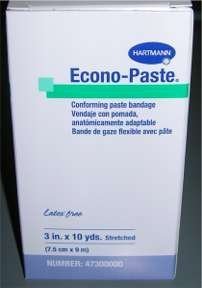

[MEDICAL GRADE MATERIAL]:It is made from 100% high-quality natural cotton, latex-free, and is highly suitable for physical therapy and therapists.
Reducing Friction Inside Shoes With Talcum Powder
Comfort often hinges on subtle adjustments, and talcum powder offers a surprisingly effective way to reduce friction inside shoes, especially high heels. A light sprinkle of talcum powder inside the sole eases the rubbing between feet and shoe material, which not only adds comfort but also reduces squeaky noises caused by moisture buildup. Talcum powder absorbs sweat and prevents that annoying slip-slide feeling in the toe box, making each step sound quieter and feel more secure. It’s a straightforward, inexpensive fix that anyone can try without special tools—just a pinch or two inside your high heels before wearing them. After testing several pairs for several hours indoors, it became clear how talcum powder quietly transforms the walking experience. Truly blown away by how such a tiny tweak helps comfort and sound. For even greater all-day wearability, combining talcum powder with shoes featuring cushioned arch support can significantly enhance foot comfort and reduce fatigue.
Recommended Products

Widely used: suitable for collection, tattoo, Nail Practice,painting, jewelry shoes and socks display, movie props, art collection decoration and so on.
Widely used: suitable for collection, tattoo, Nail Practice,painting, jewelry shoes and socks display, movie props, art collection decoration and so on.

1. Made from new-type cyber skin (thermoplastic elastomer,soft and elastic, so realistic it looks or touches, so real that it may frighten you; also toxically and odor free, meet all relevant safety standards.Try to keep it flat when storing, and pay attention to the storage environment.
Custom Noise-Dampening Pads With a Glue Gun
After discovering how talcum powder can silently improve walks by easing friction inside heels, exploring ways to reduce the sharper clicking sounds from heel tips becomes a natural next step. Using a glue gun to craft custom noise-dampening pads is a surprisingly effective DIY trick. By applying a layer of hot glue to the heel tip and allowing it to dry thoroughly, one can create a soft barrier that absorbs the impact of body weight, reducing that unmistakable clicking sound. Once dry, trimming excess glue with a cutter gives a neat finish, keeping heels looking sleek. This method offers a comfy landing for the heel, providing both sound reduction and slight cushioning—something store-bought pads often lack. It’s a simple, affordable solution for anyone truly blown away by noisy shoe clicks. Choosing heels with good cushioning and support can further enhance comfort and minimize noise when walking.
Techniques for Walking Quietly in High Heels
Mastering the heel-toe walking technique transforms noisy high-heel strolls into quieter, more confident steps. This method involves placing the heel down first, then smoothly rolling onto the toe, which helps distribute body weight evenly and prevents forceful heel strikes that cause loud clicks. Walking with lighter steps and avoiding flat-footed stomps further reduces noise. Many testers found that adding rubber heel caps or silicone pads made a noticeable difference in sound and comfort, especially on hard floors. One surprising trick is roughening the bottom of heels using fine sandpaper, which not only cuts clicking noise but also improves traction on slippery surfaces. Combining these techniques requires patience but results in a subtle, less disruptive heel-toe rhythm—ideal for anyone wanting to stay quietly poised. Additionally, choosing heels with sturdy rubber outsoles can enhance both grip and quietness while walking.
Additional Tips for Maintaining Silent Steps
Building on the heel-toe technique and subtle sanding tricks, quiet walking in heels benefits greatly from practical add-ons like rubber caps and tape. Applying thick coats of nail polish to the heel’s bottom, tested under hardwood and tile floors, softens contact and cuts clapping sounds noticeably. Rubber heel caps or silicone pads not only improve grip but also cushion impact, reducing click noise without sacrificing comfort. Additionally, placing surgical white paper tape or cotton bandages under the heel creates an unexpected but effective sound barrier, especially on noisy surfaces. For moisture control and squeak prevention inside the shoe, sprinkling talcum powder in the toe box works well during extended wear. These tested tips—all rights reserved by practical consumer review—were truly blown away in shaping quieter, comfier steps. Choosing heels with a sturdy chunky block heel can also help minimize noise while providing stability.
Frequently Asked Questions
How to Make Less Noise When Walking in Heels?
Reducing noise when walking in heels often involves modifying heel materials, such as applying rubber pads or sole grips to soften footsteps. Additionally, roughening or covering heel bases with soft materials dampens sound and improves traction efficiently.
How to Walk Silently on Heels?
Walking silently in heels involves mastering the heels technique, where each step gently kisses the ground. By distributing weight evenly and controlling foot placement, the wearer treads softly, transforming potentially loud clicks into quiet, graceful movements.
How to Make High Heels Not Click?
To make high heels not click, one should focus on sole materials by applying rubber heel caps or silicone pads to absorb sound, or sanding soles for texture; these modifications reduce noise by softening impact and increasing grip.
How to Walk in Heels Without Clicking?
Like a dancer gliding on stage, one walks in heels without clicking by adopting heel alternatives such as cushioned inserts or rubber pads, ensuring softer steps and quieter movement, transforming each stride into a graceful, silent performance.


