As an Amazon Associate, we earn from qualifying purchases. Some links on this site are affiliate links at no extra cost to you. Our recommendations are based on thorough research and editorial judgment.


Understanding the Anatomy of a Stiletto: Shank, Sole, and Counter

A stiletto’s shank is an internal support, often steel or plastic, positioned between the insole and outsole to prevent excessive bending and keep arch stability. The sole combines durable materials like rubber for grip and cushioning midsoles to ease foot fatigue, while the counter hugs the heel with stiff materials to lock the foot in place and shape the sleek silhouette. Testing shows these parts together improve comfort and stability, making stilettos surprisingly wearable. There’s plenty more to discover about their clever design.
Key Takeaways
- The shank, positioned between the insole and outsole, provides arch support and enhances structural integrity in stilettos.
- Sole design combines durable materials, cushioning midsoles, and textured outsoles for traction, comfort, and wear resistance.
- The counter, made from stiff materials, secures the heel, preventing slippage and improving ankle stability in stilettos.
- A firm shank reduces shoe flexing, distributes weight evenly, and decreases foot fatigue during wear.
- Sole variations with dense rubber and grooved top heels improve grip, durability, and overall stiletto performance.
The Role of the Shank in Stilettos

The shank, often overlooked, plays an essential role in the comfort and support of stilettos. Positioned between the insole and outsole, the shank provides significant internal support and enhances arch stability. Made from materials like steel or plastic, it preserves structural integrity by preventing excessive bending and ensuring proper foot alignment under the intense heel pitch typical in stilettos. This functional support is important for even weight distribution, reducing pressure points and fatigue over prolonged wear. During testing with a 4-inch heel stiletto, a firmer shank noticeably improved performance, making each step more stable and less tiring. Although unassuming, the shank contributes not only to comfort but also bolsters the shoe’s aesthetic appeal by maintaining its elegant silhouette without compromising support—a balance many wearers may be truly blown away to experience. For optimal comfort, it’s crucial to consider heel height alongside shank firmness to ensure stability and reduce foot strain during wear.
Materials and Design of the Sole

Sole construction in stilettos plays an essential role in balancing durability, comfort, and grip, which can surprisingly make a big difference during wear. The sole often combines a durable material like leather or rubber, chosen specifically for traction and long-lasting use. Beneath, a cushioning midsole supports added comfort, while the outer sole takes most of the wear and tear. A stiff shank embedded within the sole helps maintain arch stability, essential for managing the pressure from a high heel. The heel’s top piece usually features grooves made from rubber or leather, enhancing grip and reducing slips. This thoughtful design not only boosts functionality by providing stability and comfort but also adds to the stiletto’s aesthetic appeal, marrying form with practical performance—a combo that left testers truly blown away. Additionally, incorporating memory foam insoles further enhances comfort by providing cloud-like cushioning and shock absorption during prolonged wear.
Recommended Products
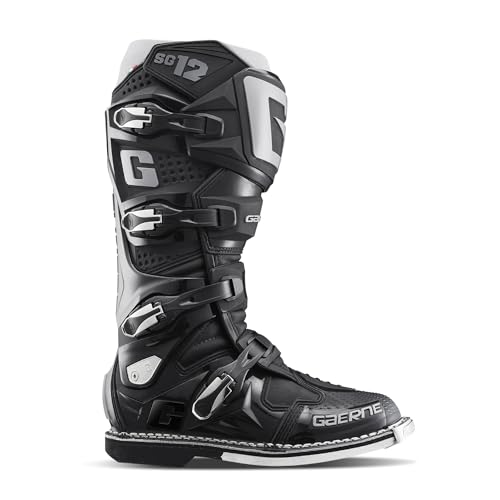
DSPS (Dual Stage Pivot System) provides superior lateral support, preventing over-compression and hyper-extension.

Leather sole with rubber heel cap
Leather sole with rubber heel cap
Structural Importance of the Counter

Building on the sole’s role in comfort and stability, attention must turn to the counter, the firm rear section hugging the heel. The counter in a stiletto offers essential support by locking the heel firmly in place, preventing slippage and enhancing ankle stability. Typically crafted from stiff materials like plastic or thick leather, it maintains the shoe’s shape and shields the foot from blisters during extended wear. Beyond function, the counter shapes the shoe’s aesthetic, often rising two to three inches high to create a sleek, elegant silhouette. This rigid structure isn’t just for looks; it reinforces the stiletto’s integrity, contributing to overall comfort by supporting the heel and arch, ensuring the wearer feels secure when stepping out in those undeniably stunning shoes. For added comfort and support, some formal heels incorporate molded footbeds that follow the natural foot arch to enhance stability during extended wear.
Recommended Products
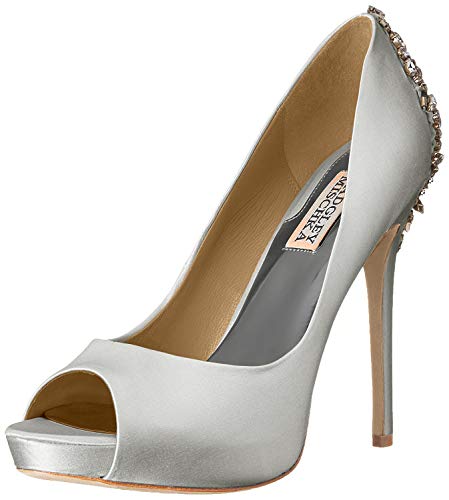
Peep-toe platform pump featuring dramatic cluster of sparkling rhinestones at heel counter

Invigorate your 9-to-5 ensemble with the classic silhouette of the Calvin Klein Brady!

Rise above the ordinary in the Naturalizer Miller dress sandal, designed for commanding entrances.
How the Shank Enhances Stability and Comfort
Arch support plays a critical role in making stilettos wearable for extended periods. The shank, an internal component made from rigid materials like steel or plastic, provides essential arch support and enhances stability. Positioned between the insole and outsole, it prevents excessive shoe flexing, maintaining the heel’s structural integrity. This stability reduces foot fatigue by evenly distributing weight across the foot, especially important in high heels where balance is often compromised. The shank’s proper length and width are crucial in achieving a comfy fit without sacrificing design aesthetics. While testing, one can truly be blown away by how much a well-designed shank improves comfort and balance, making stilettos less punishing on the arch and toe box during extended wear. Cushioning elements like memory foam within the footbed further complement the shank’s support for all-day comfort.
Sole Variations for Durability and Traction
After appreciating how the shank supports the arch and keeps balance steady, it’s logical to contemplate what happens underfoot. The sole of a stiletto, often made from leather or rubber, greatly influences traction, durability, and overall performance. A two-part sole design, combining a flexible midsole with a durable outer sole, enhances comfort while protecting against wear. Quality components equate to better grip, as soles typically feature textured tread patterns that improve stability on slippery surfaces. During tests on polished and outdoor pavements, soles with denser rubber showed superior grip compared to smooth leather ones, making users truly blown away by the improved functionality. Though not the flashiest part, sole design is key to a stiletto’s longevity and comfy, confident wear. Additionally, incorporating cushioned latex insoles in the sole assembly can significantly enhance all-day comfort during wear.
Recommended Products

Leather sole with rubber heel cap

Leather sole with rubber patch

Calvin Klein Gayle Pump Desert Sand 2 5 M
Counter Construction and Ankle Support
The counter in a stiletto acts like a firm guardian, rigidly rounding the heel cup to lock the back of the foot in place. Its construction typically features stiff materials such as reinforced plastic or layered leather, providing essential support to the heel and ankle. This support limits unwanted heel movement, which truly affects comfort during prolonged wear. Given the elevation of stilettos, with heels often exceeding 4 inches, stability becomes critical to prevent ankle twists or sprains. A well-built counter maintains the shoe’s shape under stress while embracing the heel, thereby enhancing balance and control. From testing, shoes with a solid counter noticeably improve stability and reduce foot fatigue. So, investing in quality counter construction guarantees both comfort and safer movement. Additionally, choosing footwear made with vegan-friendly materials can provide comparable support while promoting ethical and sustainable fashion choices.
Frequently Asked Questions
What Is the Bottom of a Stiletto Called?
The bottom of a stiletto is called the sole. This essential component influences heel height, comfort factors, and durability concerns in shoe design, integrating support features and material choices significant to various heel styles and evolving fashion trends in footwear types.
What Are the Different Parts of a High Heel Called?
Like the pillars supporting a grand arch, high heels comprise the shank, sole, counter, vamp, and toe box; each part influences heel types, comfort levels, posture impact, and fashion trends, shaping foot health and celebrity styles across historical origins.
What Exactly Defines a Stiletto Heel?
A stiletto heel is defined by its slender, high design, reflecting stiletto history and trends. Materials vary, influencing comfort and fit. Popular brands offer customization, catering to occasions, with stiletto care essential for durability across diverse variations.
What Is the Psychology Behind Wearing Stilettos?
The psychology behind wearing stilettos involves fashion empowerment, confidence boost, and feminine identity. They influence social perception, body language, and attraction factors while reinforcing cultural norms, workplace authority, and personal expression, contributing to psychological comfort for many wearers.


