As an Amazon Associate, we earn from qualifying purchases. Some links on this site are affiliate links at no extra cost to you. Our recommendations are based on thorough research and editorial judgment.


The Psychology of the Power Pump: Why High Heels Boost Confidence

High heels boost confidence by adding 2 to 5 inches of height, which increases perceived authority and competence in social and work settings. They shift posture by tilting the pelvis forward, encouraging a straighter, more assertive stance that feels empowering. Comfortable designs with cushioned insoles and roomy toe boxes help maintain this confidence throughout the day without foot pain. Many find this subtle blend of height, posture, and comfort surprisingly effective for feeling poised. For those curious about how this all connects, more insights await.
Key Takeaways
- High heels increase height and improve posture, signaling authority and enhancing perceived competence and confidence.
- Wearing heels promotes a straighter stance and assertive body language, boosting physical presence and self-assurance.
- Heels psychologically elevate self-esteem, linking feelings of empowerment with attractiveness in social and professional environments.
- Confidence gained from heels improves cognitive focus, decision-making, and productivity in workplace scenarios.
- Properly fitting heels with comfort features amplify positive social responses, reinforcing confidence during interactions.
The Cultural Significance of High Heels
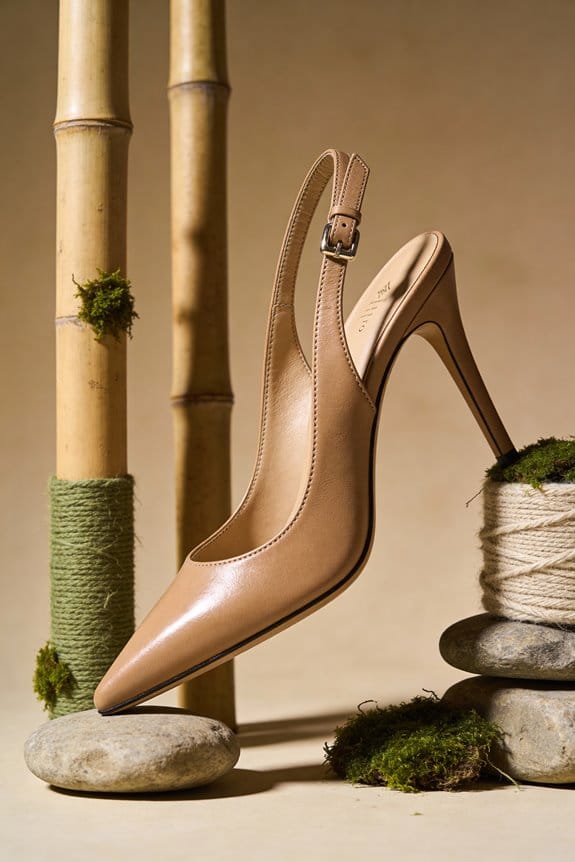
Although high heels often come with a reputation for discomfort, their cultural significance runs much deeper than mere footwear. The high heel shoe has transcended time, starting as a 16th-century status symbol worn by both men and women, signaling authority and social hierarchy. Over centuries, it evolved into a primarily feminine accessory, seen as a bold expression of confidence and style. Iconic moments in films like “The Devil Wears Prada” showcase heels not just as fashion but as empowerment. Despite being known for impracticality, many women consider the high heel shoe essential, as it aligns with societal expectations of elegance and intention. The toe box and heel height often challenge comfort, yet the symbolic power embedded in wearing heels often outweighs this trade-off, making them culturally significant and visually impactful. However, choosing a heel height between 2.5 and 3 inches with a wider toe box can offer a balance of style and comfort, enhancing the overall wearing experience through heel height and toe design.
How Height Influences Perceived Power
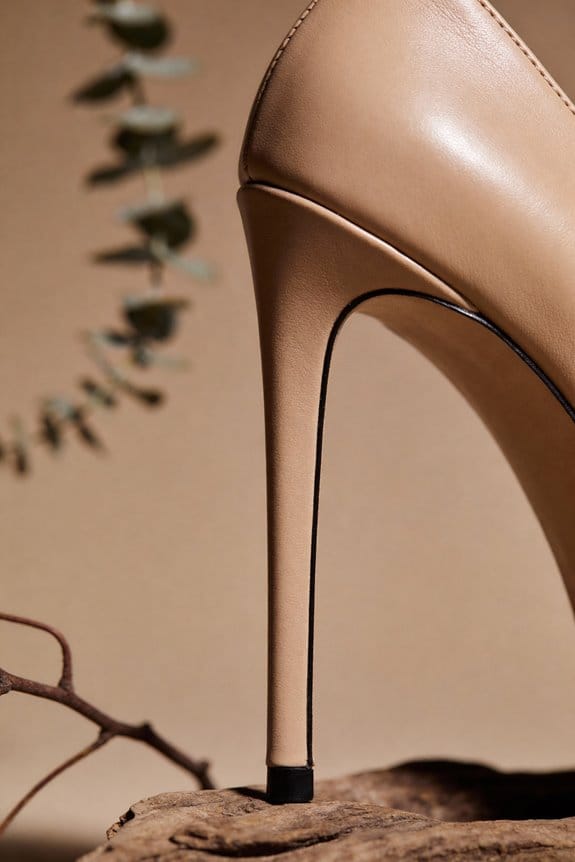
A striking aspect of high heels is their ability to add several inches to a wearer’s height, often between 2 to 5 inches depending on heel style and construction. This height increase amplifies perceived power considerably. Taller individuals are frequently viewed as more competent and authoritative, so simply gaining a few inches can shift social dynamics noticeably. Studies confirm that women wearing heels are seen as confident, which influences how others respond to them in professional settings and social situations alike. Historically, height has symbolized dominance, making heels a strategic choice for asserting authority, especially in male-dominated fields. The height boost from heels also triggers assumptions about leadership and capability, proving that something as simple as added height can subtly change how power is perceived and respected. Additionally, low chunky heels provide a balance of comfort and stability, allowing wearers to maintain confidence throughout the day with better support and balance.
Recommended Products

The Nike SB Dunk Low Pro "St.Patrick's Day" is a June 2022 release of the popular skate shoe in a color combination that undoubtedly shows love for the traditional Irish holiday

DURABLE & STYLISH LEATHER crafted with your choice of our signature Scrunch leather, Greasy leather or Full-Grain, the handcrafted silhouette and chunky toe is well-known both on and off campus

Sporty and stylish these 500 Sneakers from Yeezy are ideal for your youngster's everyday ensemble
The Impact of Heels on Posture and Movement
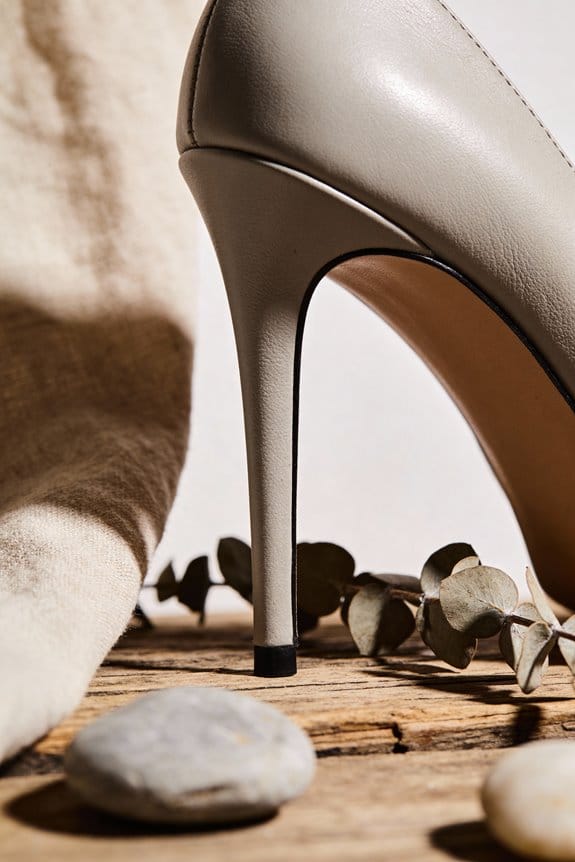
Posture plays an essential role in how high heels affect appearance and confidence. Heels encourage a straighter stance by tilting the pelvis forward slightly, which naturally pushes the shoulders back and lifts the head. This alignment fosters assertive body language without conscious effort. Additionally, wearing heels often results in more controlled, graceful movement. The distinctive step, characterized by a slower pace and deliberate placement of each foot, creates a signature walk that stands out in social scenes. Studies confirm this combination of altered posture and refined movement enhances physical presence and appeal. While testing various heel heights from two to four inches on different surfaces, it became clear that heels influence not just stature but also the way wearers carry themselves—often leaving observers truly blown away by the subtle transformation. Choosing heels with arch support can further improve posture and reduce fatigue, enhancing the confidence boost provided by the power pump.
Recommended Products

Basketball Shoes

EXTREME FULL-GRAIN LEATHER DURABILITY - Built with 2.8mm premium full-grain leather, these boots feature a one-piece vamp construction with no tongue seams, delivering superior abrasion resistance, enhanced waterproofing performance, and long-lasting durability in harsh, high-altitude and rugged terrain conditions

Material - Upper: Leather (nubuck)
High Heels and Enhanced Self-Confidence
Confidence often radiates from subtle details, like the choice of footwear, which surprisingly shapes how one feels and is perceived. Wearing high heels, typically ranging from 2 to 4 inches, elevates posture by encouraging a straighter back and lifted head, subtly boosting self-assurance. Studies reveal women feel more empowered and attractive in heels, a feeling linked to traditional femininity and elegance. Curiously, social experiments show that women in high heels receive more positive social responses, such as increased compliance in public settings. Additionally, heels influence perceptions of authority in workplaces, as wearers are seen as more commanding and confident. While not always comfy—hello, tight toe boxes!—the psychological lift from wearing high heels is undeniable, often making the extra effort truly worth it. Choosing heels with cushioned insoles and adjustable straps can enhance comfort and wearability, helping maintain confidence throughout the day.
Recommended Products

Synthetic upper is lightweight & durable with perforations in the toe box for added breathability

Two large front inlet ports and a ventilated shinplate deliver continuous airflow for optimal cooling and heat exchange.
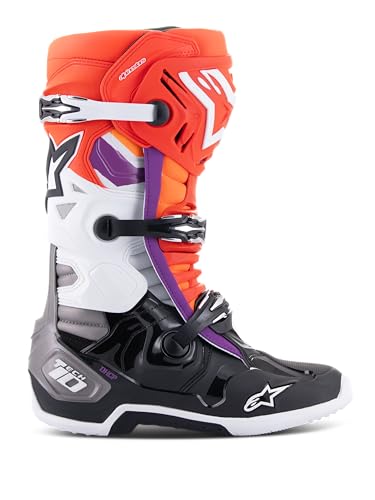
Low-profile pull-on design reduces material build and weight for quicker, easier wearing.
Historical Origins of High Heels and Their Evolution
High heels have a surprisingly rich history that stretches back to 16th-century Europe, where both men and women wore them for practical reasons like added height and greater stability while riding horses. Originally designed to boost stature and ease horseback control, these shoes were proudly worn by men as symbols of status and authority. Over time, high heels became mainly associated with women, shifting from their unisex practical roots to a fashion statement tied to elegance and femininity. This evolution reflects changing cultural ideals, turning high heels into markers of sensuality and social standing. Today, their enduring appeal blends this historical significance with modern style, shaping how many perceive confidence and grace, even if maneuvering a comfy toe box is still a challenge for some. Selecting pumps with 2-3 inch heels provides both comfort and professional style, making them ideal for all-day wear.
The Relationship Between Heels and Professional Success
Beyond their historical role as fashion statements, heels have found a distinctive place in professional environments, where they often signal authority and capability. Over time, heels became symbols of feminine power, complementing corporate dress codes that blend traditional masculine attire with feminine flair. Research consistently shows women wearing heels are viewed as more competent and confident, increasing their chances of success at work. A 2014 study by Nicolas Gueguen found heels attracted faster attention and compliance from male pedestrians, hinting at enhanced influence during professional interactions. Additionally, heels became linked to stronger presence in networking and meetings, as women wearing them are often approached more readily, boosting potential opportunities. Cultural portrayals of successful women in heels reinforce these perceptions, grounding the footwear’s role in professional achievement. Furthermore, choosing the right heel height, ideally between 2 to 2.5 inches, enhances comfort and stability, allowing women to maintain confidence throughout long workdays.
Recommended Products

Invisiled Pro 1Ft indicator marks every 2 inch for field cutting at the end of a run

AUTHENTIC DESIGN: Handcrafted black leather cowboy boots featuring golden star embellishments, silver horseshoe accents, and intricate stitch detailing for a stunning Western look

Social Dynamics and Attraction: The Role of Heels
The impact of footwear on social interactions is a fascinating area where psychology and fashion intersect in unexpected ways. Wearing heels especially alters social dynamics by increasing perceived attractiveness and prompting faster, more frequent social engagement. For instance, research shows men approach women wearing heels about 6 minutes sooner than those in flats, which may feel like a real confidence booster. Additionally, men’s willingness to help, such as picking up dropped gloves, rises sharply from 62% with flats to 93% when heels are involved. Wearing heels also boosts compliance; male pedestrians agreed to surveys more than 80% of the time with heels versus under 50% for flats. These findings suggest that wearing heels enhances social desirability, spurring positive attention and interaction, even if it means occasionally sacrificing comfy toes for looks. Choosing heels with adjustable ankle straps can further increase comfort and confidence during social interactions, making it easier to enjoy the empowering effects of high heels.
Recommended Products

All in One Home Gym: FAGUS H home gym workout station power cage support all kinds of full body training exercises such as Squat, Chest Press, PEC Fly, Lat Pull Down, Leg Extension, Leg Press, Seated Row, Ab Crunch, Pull Up, Dip Station, Bicep Curl, etc. Just enjoy efficient training and build muscles on your arms, ab, back, hip, legs with a all in one machine in your home gym!

PRESSURE RELIEF & PROTECTION: Prevent the pain and discomfort of heel pressure injuries, also known as bedsores, by elevating the foot off the mattress surface. The cushion completely floats the heel for continuous pressure relief.

Advanced microfiber and TPU construction ensures superior durability and abrasion resistance.
Psychological Effects of Wearing Heels on Cognitive Function
How does slipping into a pair of heels affect the way the brain works? Research shows that wearing heels can boost cognitive focus and decision-making by altering posture to a more engaged mental state. When women wear heels, they often stand taller, which enhances self-confidence and poise—factors linked to better cognitive performance in social or professional situations. Additionally, heels promote assertive body language and a sense of empowerment, improving one’s ability to tackle complex tasks. For example, feeling more authoritative can sharpen focus during meetings or negotiations. Curiously, this boost in confidence sometimes leads to smarter economic decisions, demonstrating a direct link between fashion choices and cognitive abilities. Wearing heels isn’t just about looks; it can affect how well the brain functions in key moments. Selecting heels with adjustable straps and cushioned insoles can also enhance comfort, allowing the wearer to maintain this cognitive edge longer.
The Changing Role of Heels in a Post-Pandemic World
Adaptation has reshaped how women approach footwear in recent years, especially after the COVID-19 pandemic changed daily routines drastically. Wearing heels, once a staple for professional confidence, has shifted with increased demand for comfy, casual shoes like flats and sneakers that offer better toe box support. Post-lockdown, many found productivity improves when footwear prioritizes comfort over style, making heels less essential for authority in the workplace. While heels still symbolize power and femininity, their role is no longer absolute—women are truly blown away by shoes that merge stylish looks with cushioned insoles, breathable materials, and flexible soles. This evolution reflects broader empowerment, showing confidence isn’t confined to specific shoe types, but comes from feeling good in what one wears throughout diverse settings, be it Zoom calls or office meetings. Choosing shoes with cushioned comfort ensures that confidence is sustained all day without sacrificing foot health.
Frequently Asked Questions
How Do Heel Height and Shoe Design Affect Foot Health Over Time?
Like a knight’s cumbersome armor, excessive heel height and poor shoe design strain foot health, causing pain and deformities over time. Proper arch support and moderate heel elevation are essential to maintaining long-term foot health and comfort.
Are There Gender Differences in the Psychological Effects of Wearing Heels?
Gender dynamics reveal that psychological effects of wearing heels differ, often enhancing confidence more in women due to societal expectations, while men may experience discomfort or stigma. These contrasts highlight complex interactions between gender roles and self-perception.
What Role Do Heels Play in Non-Verbal Communication Outside Professional Settings?
Heels often serve as flirtation signals in non-professional settings, subtly enhancing perceived attractiveness and confidence. Their impact on posture and movement communicates social interest and allure, influencing interpersonal dynamics without verbal interaction.
How Do Cultural Attitudes Toward Heels Vary Globally?
Global perspectives reveal that cultural attitudes toward heels vary widely; some societies view them as symbols of elegance and empowerment, while others see them as impractical or even inappropriate, reflecting diverse social norms and gender expectations worldwide.
Can Wearing Heels Influence Mood Beyond Confidence, Such as Happiness or Anxiety?
Wearing heels can influence mood beyond confidence, contributing to mood enhancement by elevating feelings of happiness or self-assurance. However, discomfort or social anxiety linked to heels may also induce negative emotional states, varying by individual.


